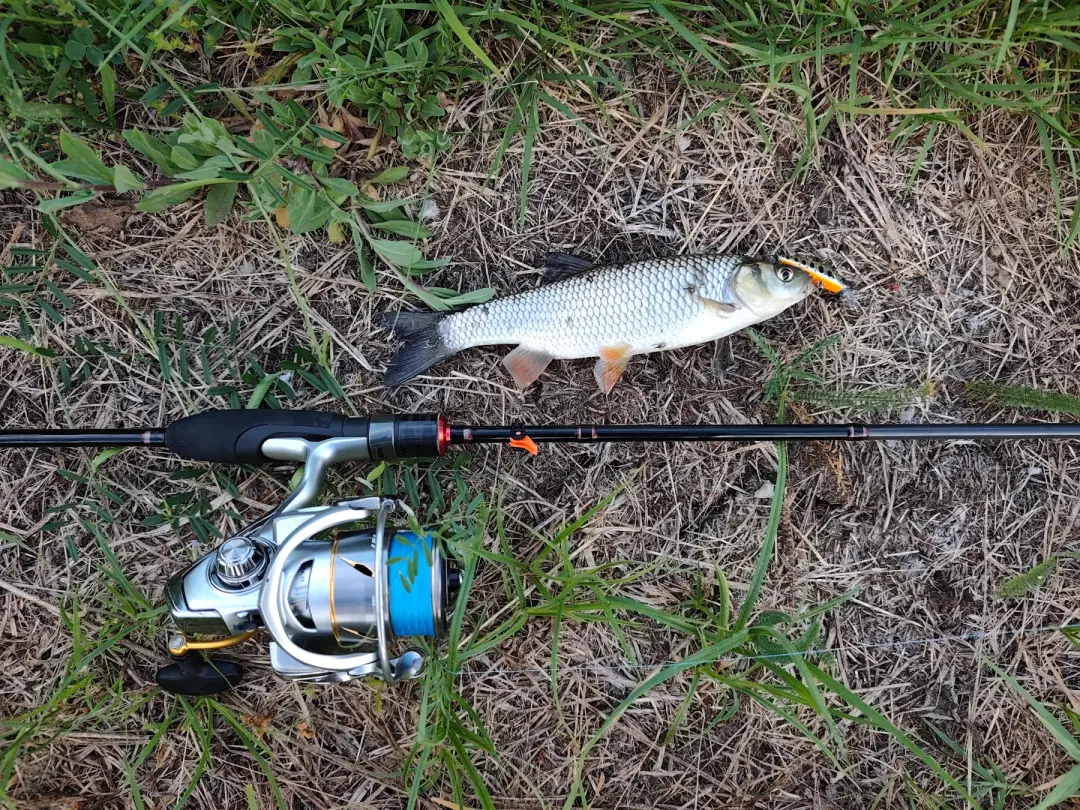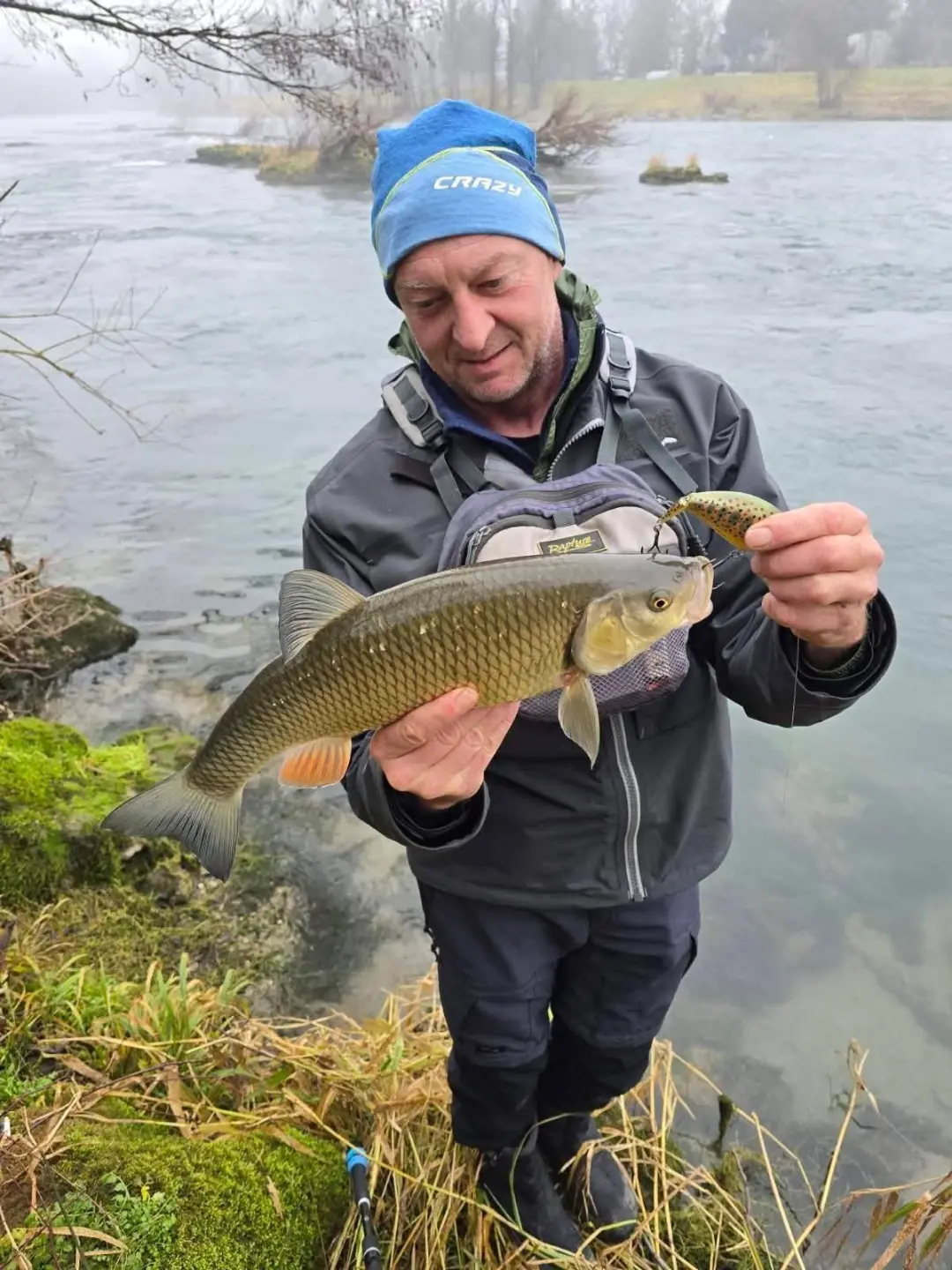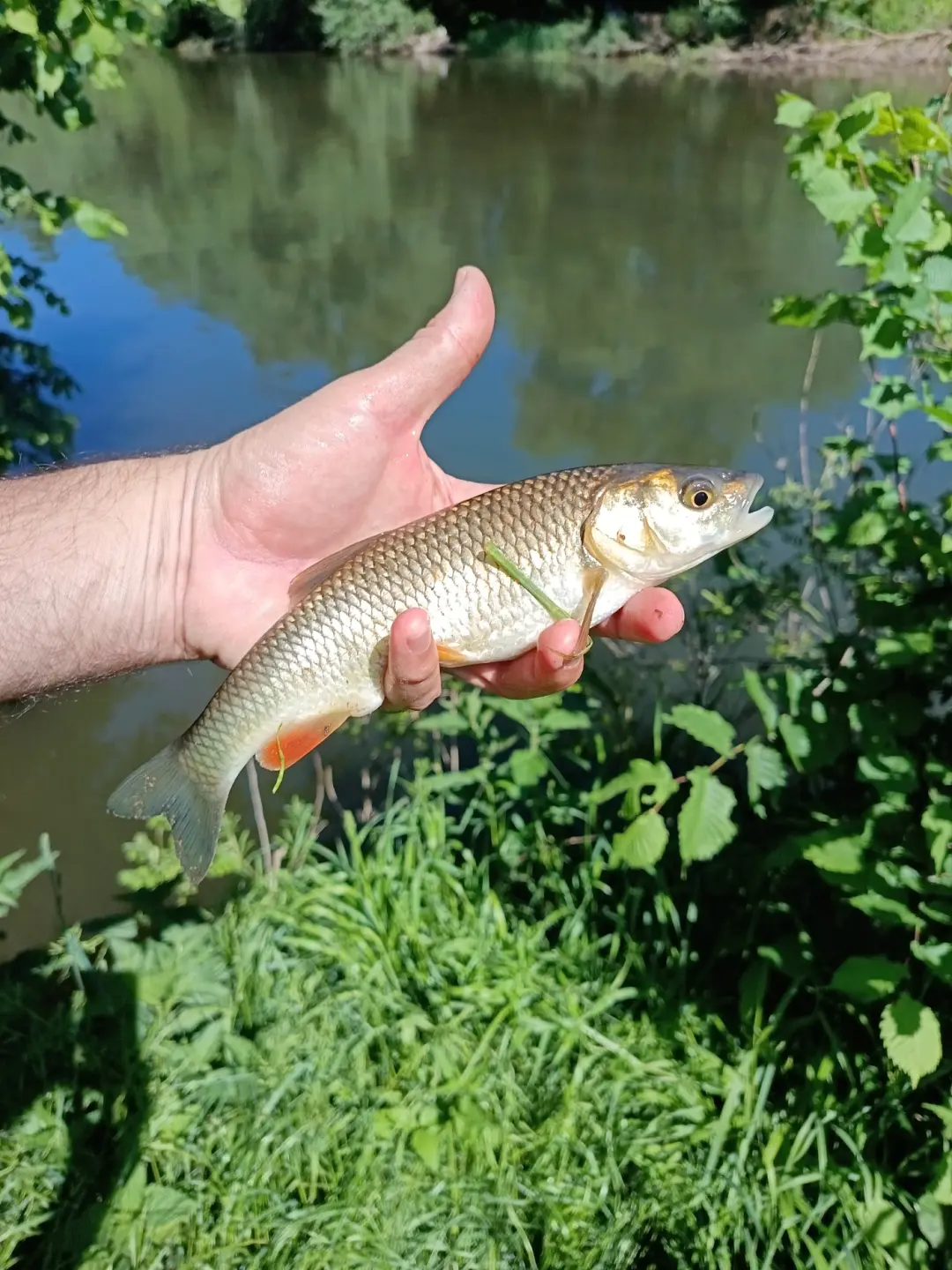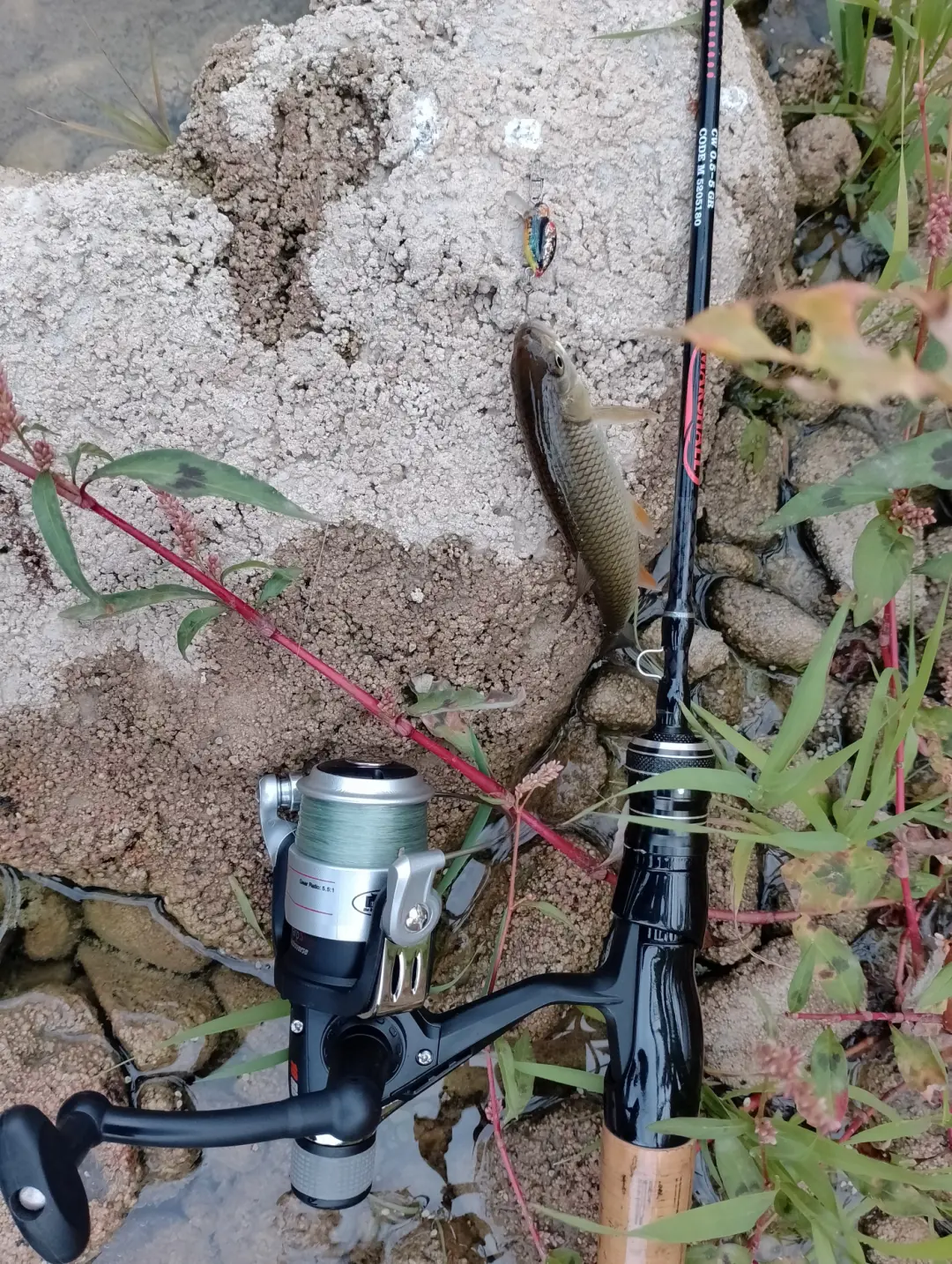

Chub (Squalius cephalus)
General data
- Main name: Chub
- Climates: Subtropical, Temperate, Continental, Mountain
- Habitat: Freshwater
- Native: Europe, Asia
- Distribution: Danube, Volga, Don, Rhine, Dnieper, Vistula, View all... Arno, Loire, River Severn, River Thames, River Wye, Daugava (Western Dvina), Seine, Adige, Northern Dvina, Neman (Nemunas), Kamchiya, Veleka, Bann, Lielupe, Venta, Gauja, Trent, Great Ouse, River Nene, Weser, Bristol Avon, River Eden (Cumbria), River Witham, River Ribble, River Tyne, River Taff, River Ely, River Parrett, Kokemaenjoki, Sulak River, Pineios (Thessaly), Elbe, Oder, Glomma, Dniester, Rhone, Meuse (Maas), Drin
Classification
- Genus: Squalius - Chubs
- Family: Leuciscidae - Chub family
- Order: Cypriniformes - Carps
- Class: Actinopteri - Ray-finned fishes
- Superclass: Osteichthyes - Bony fishes
Description
Description
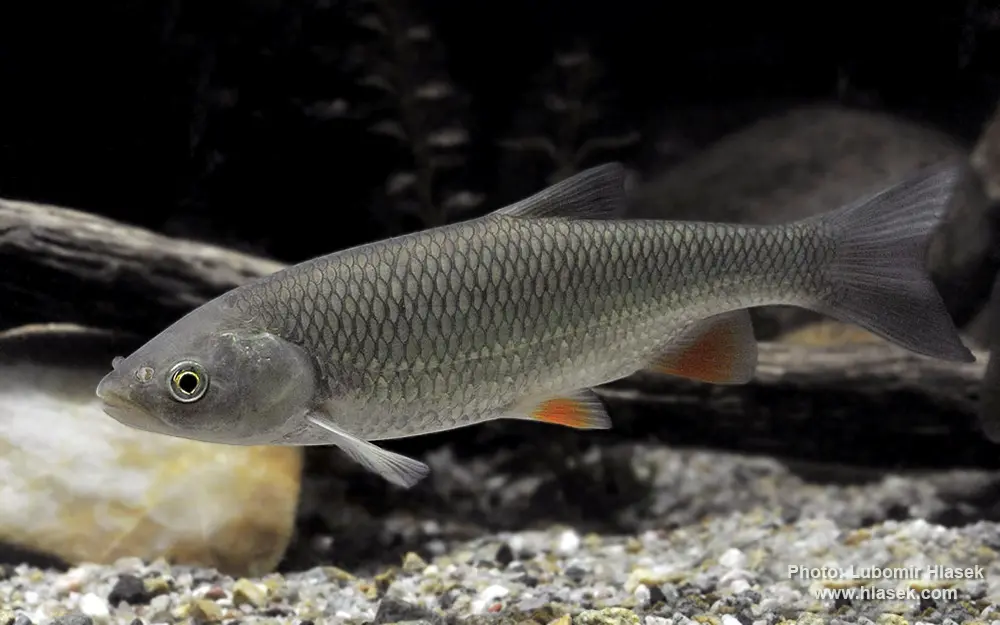
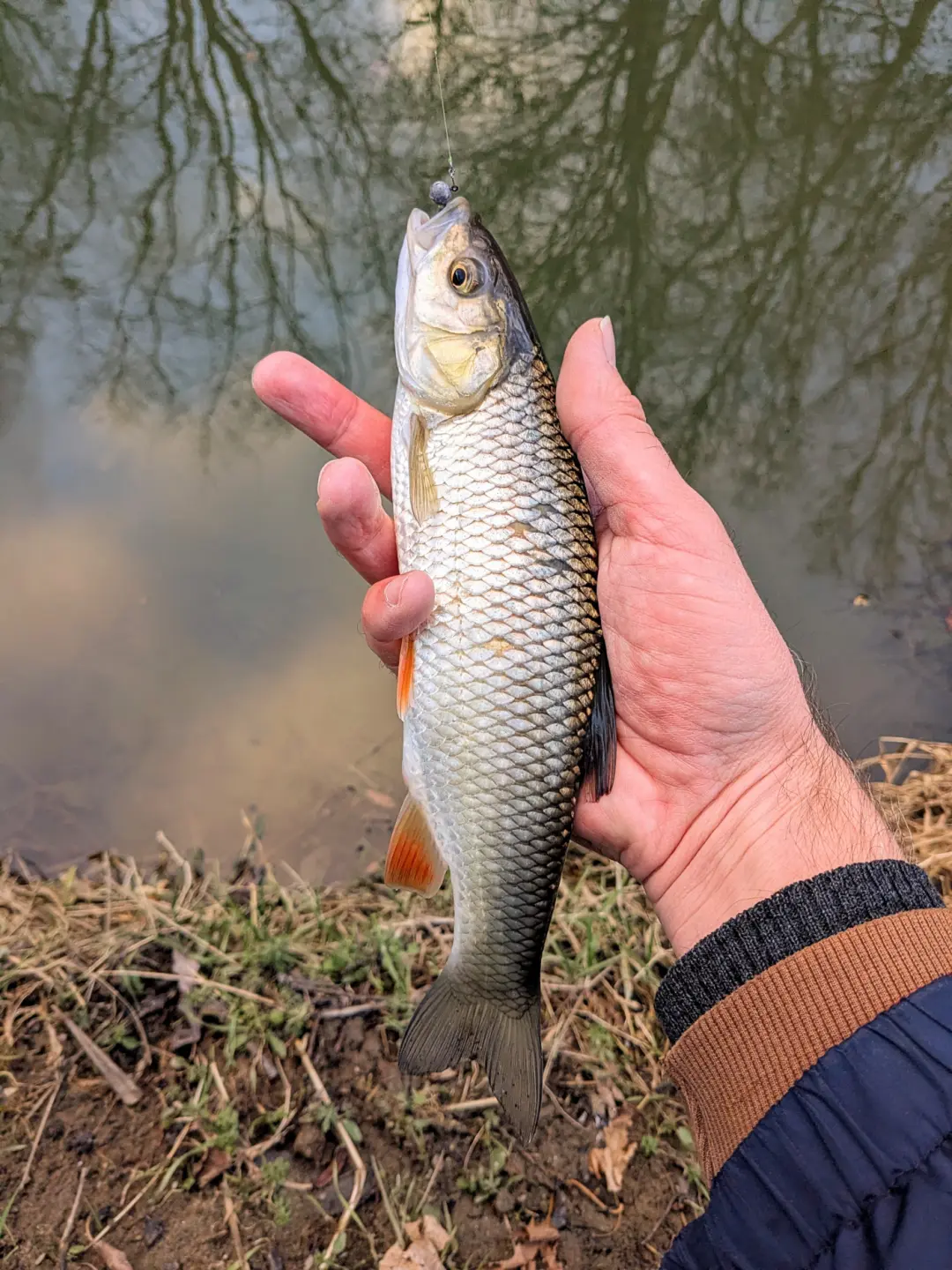
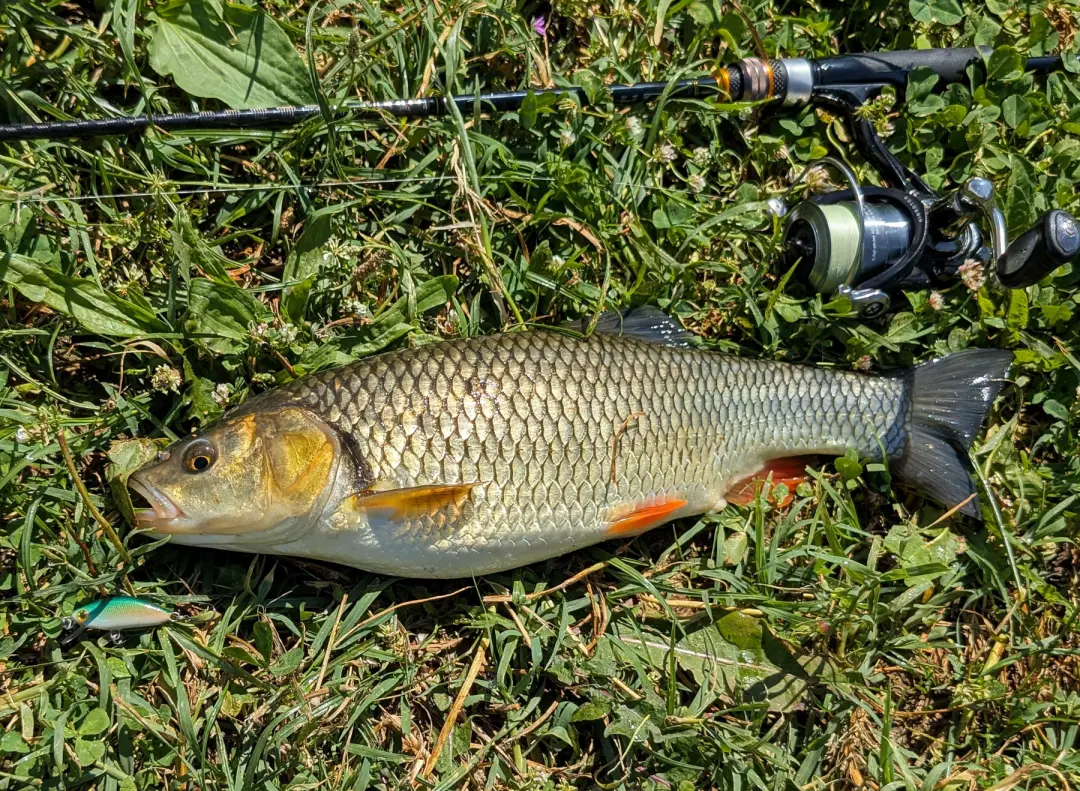
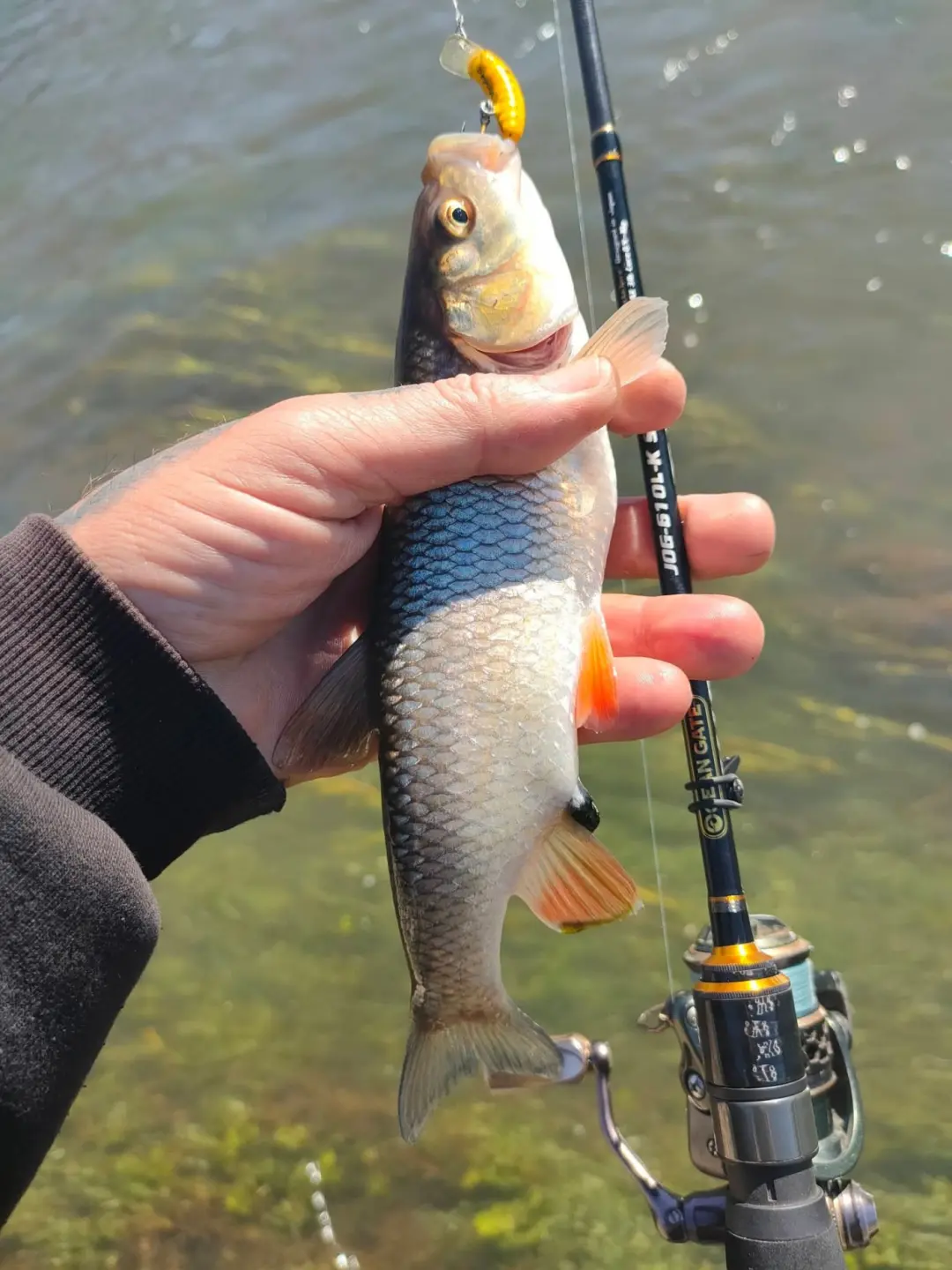
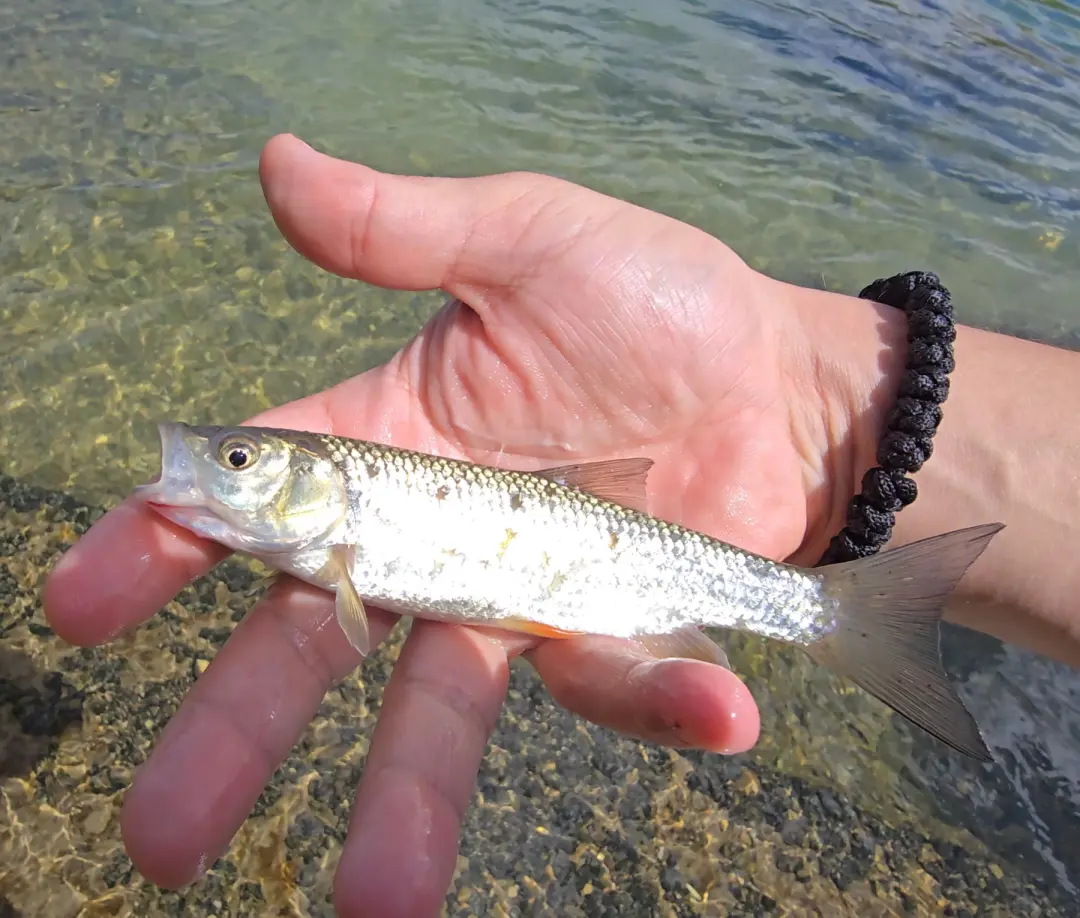
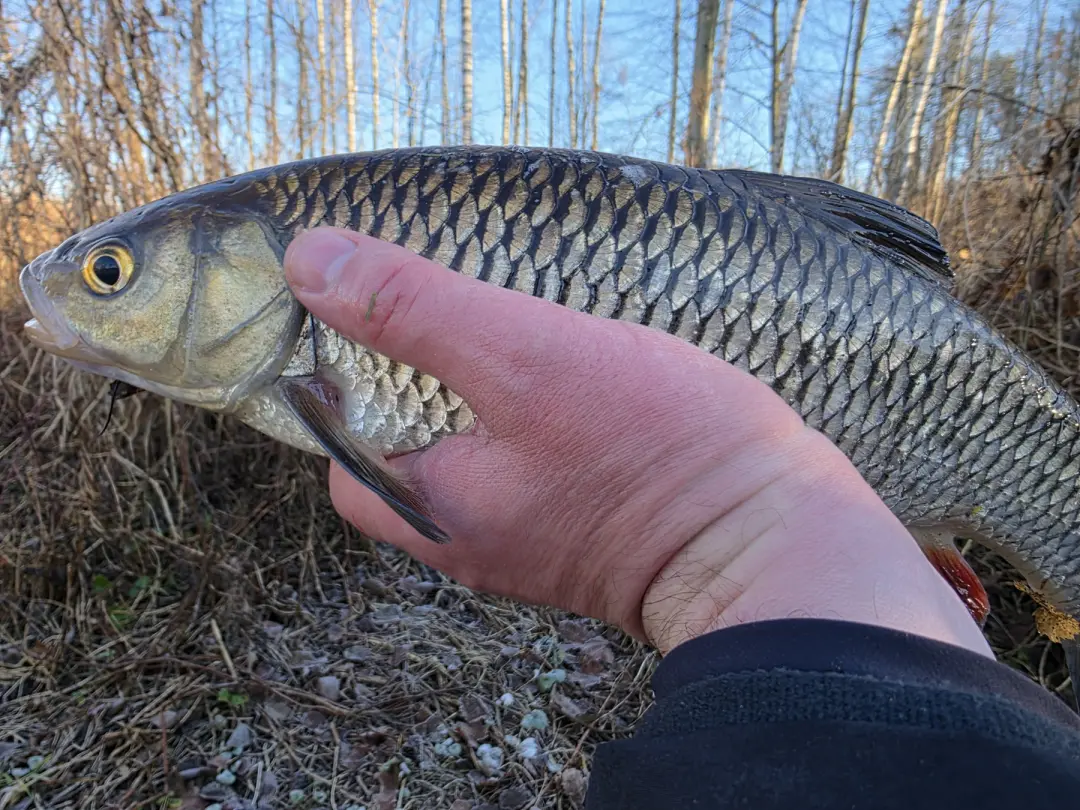
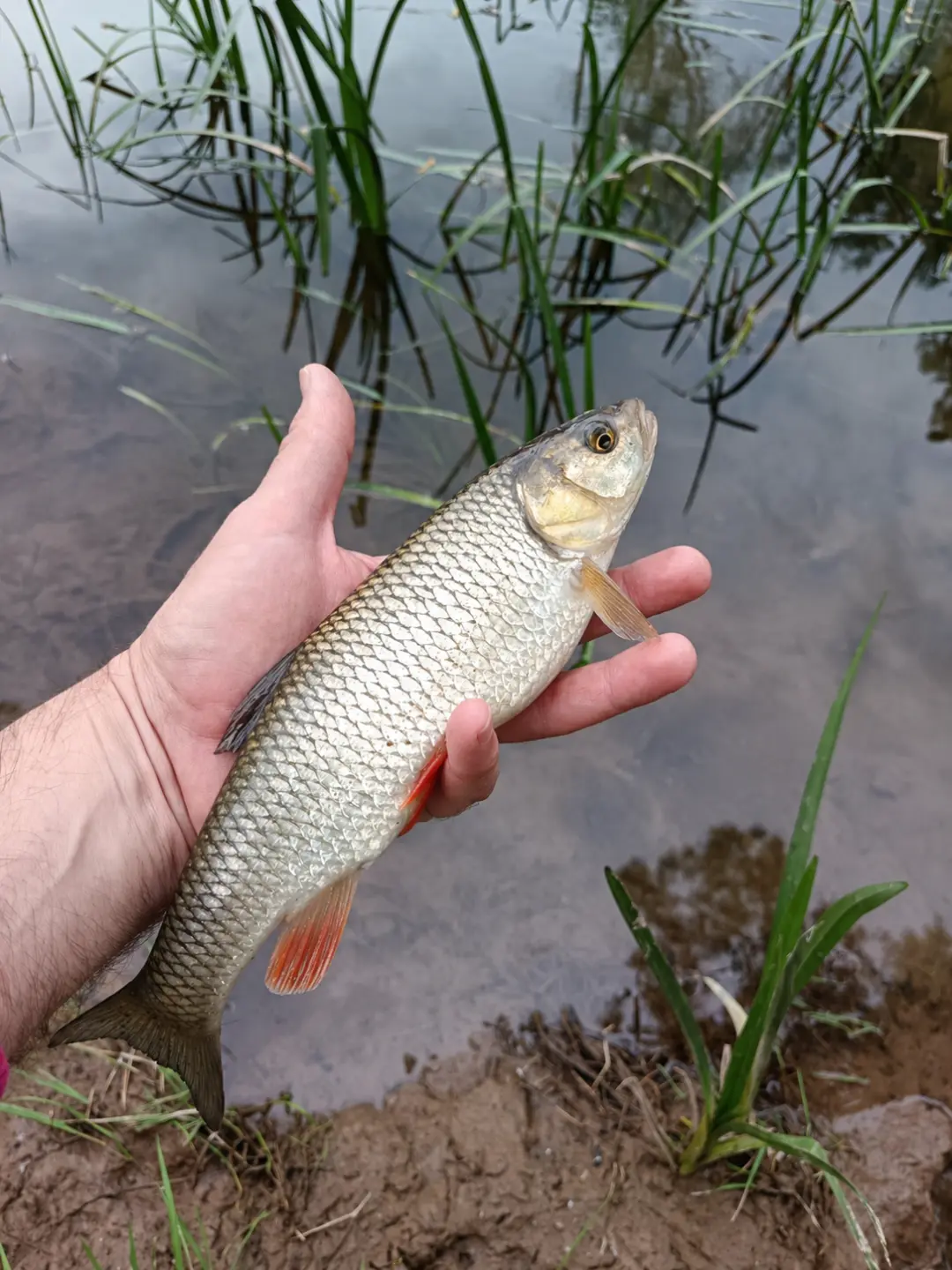
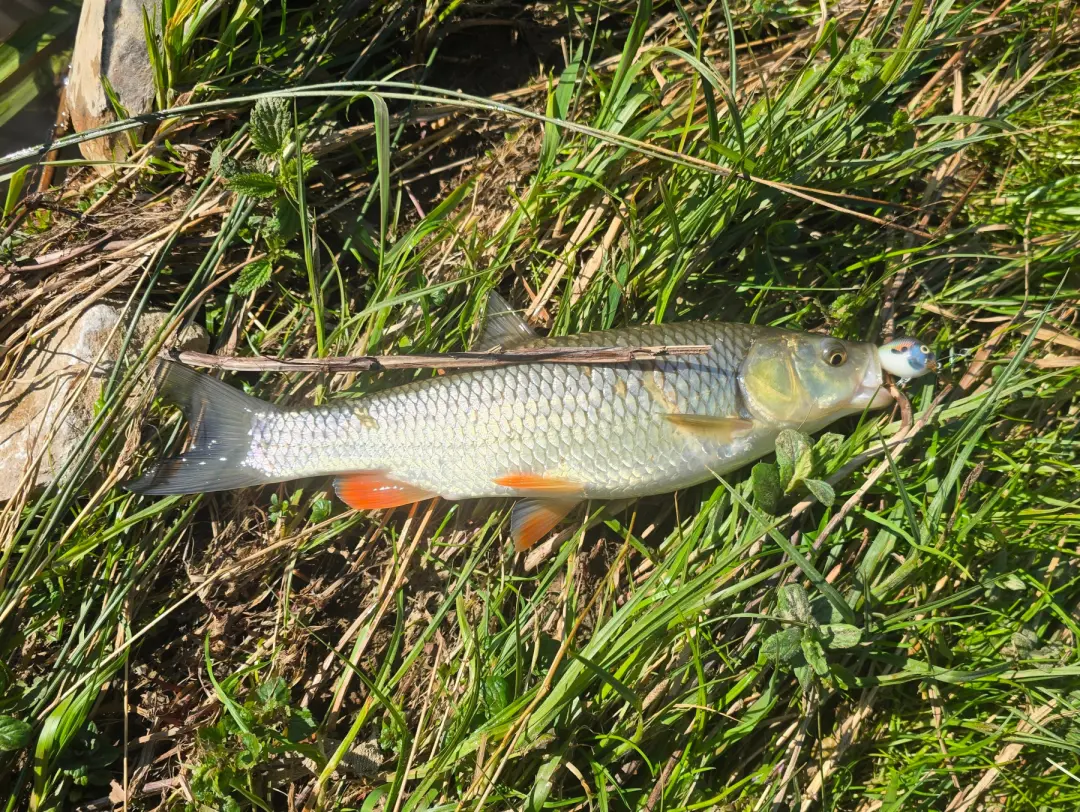
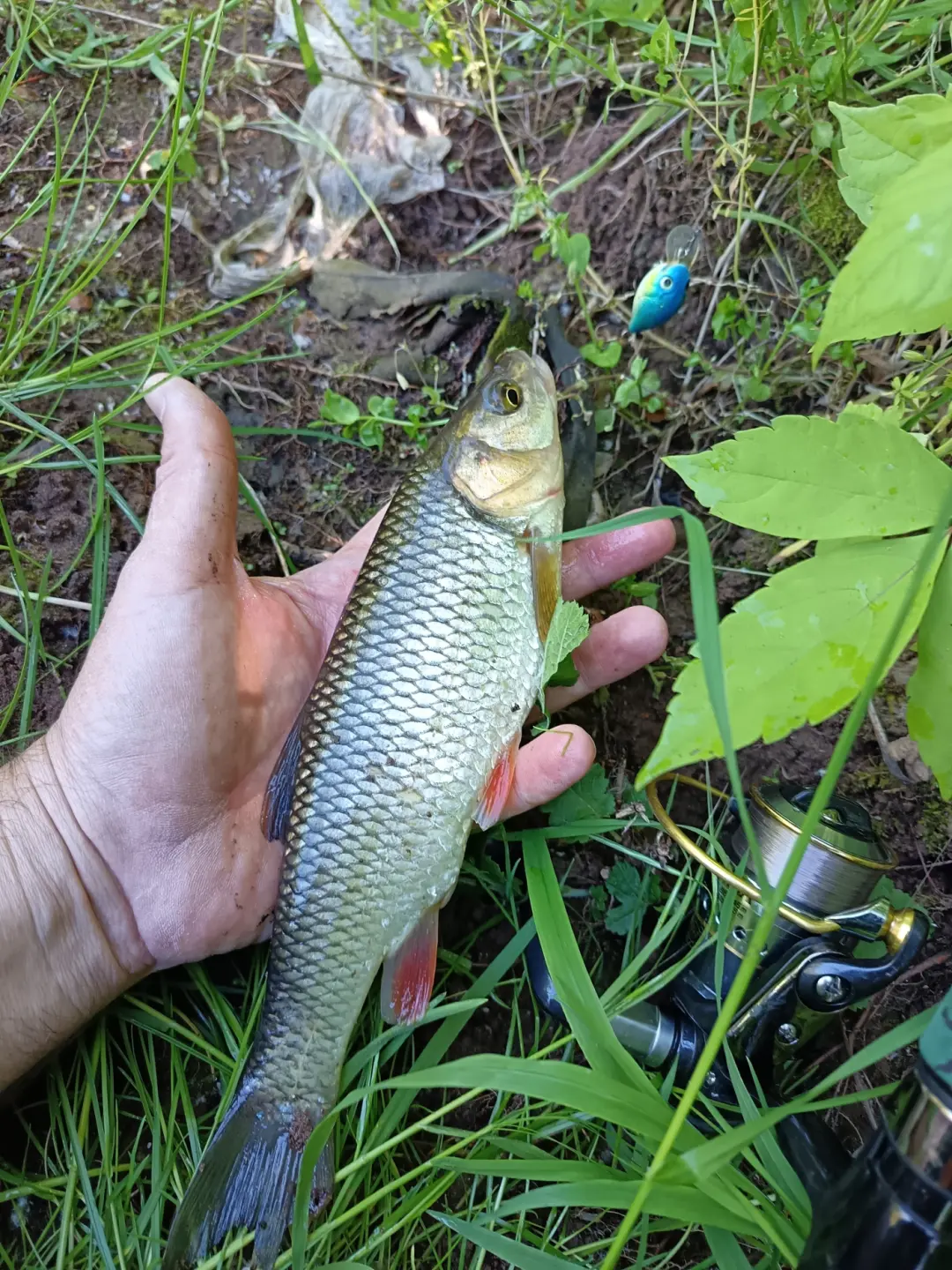
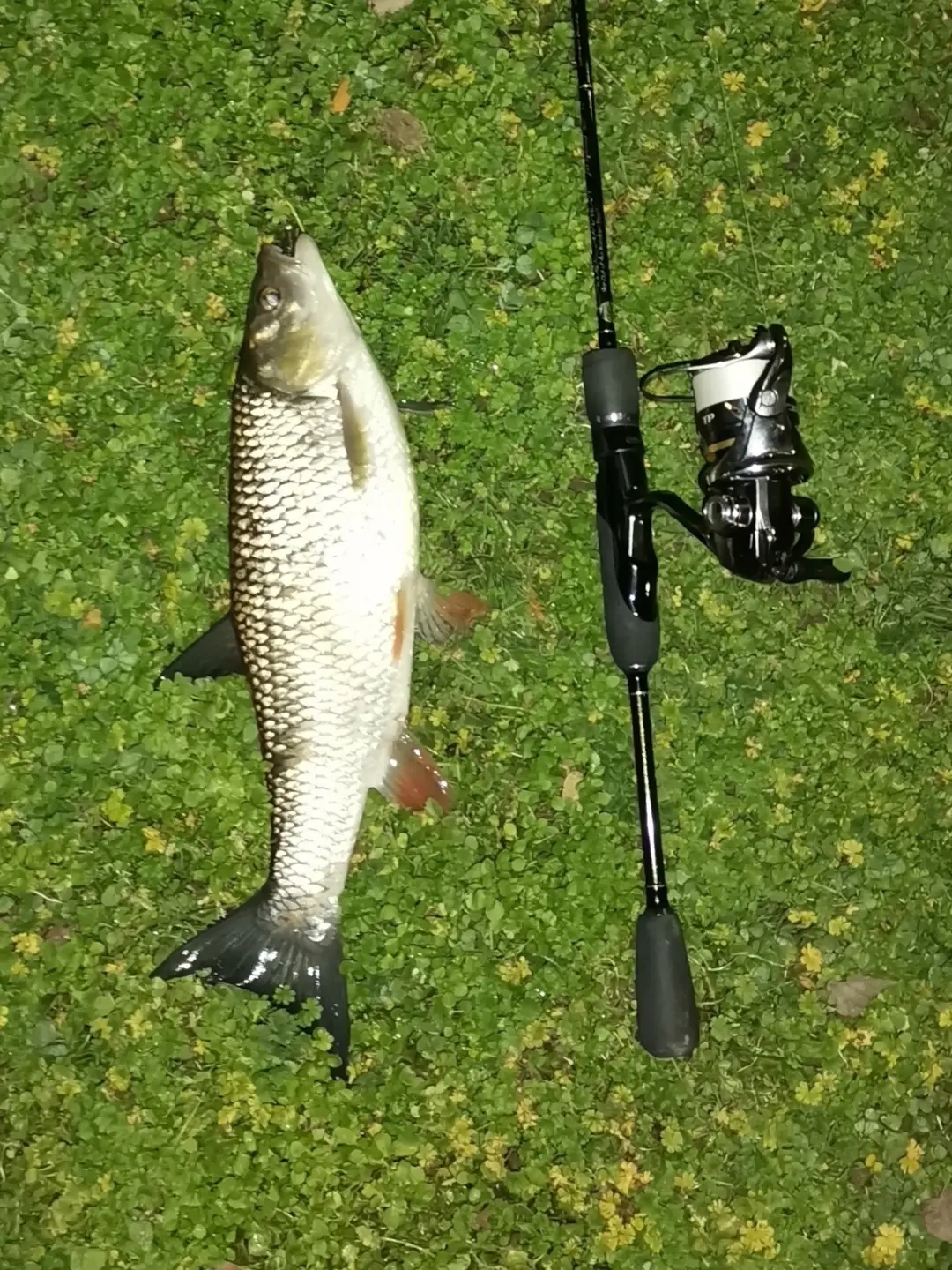
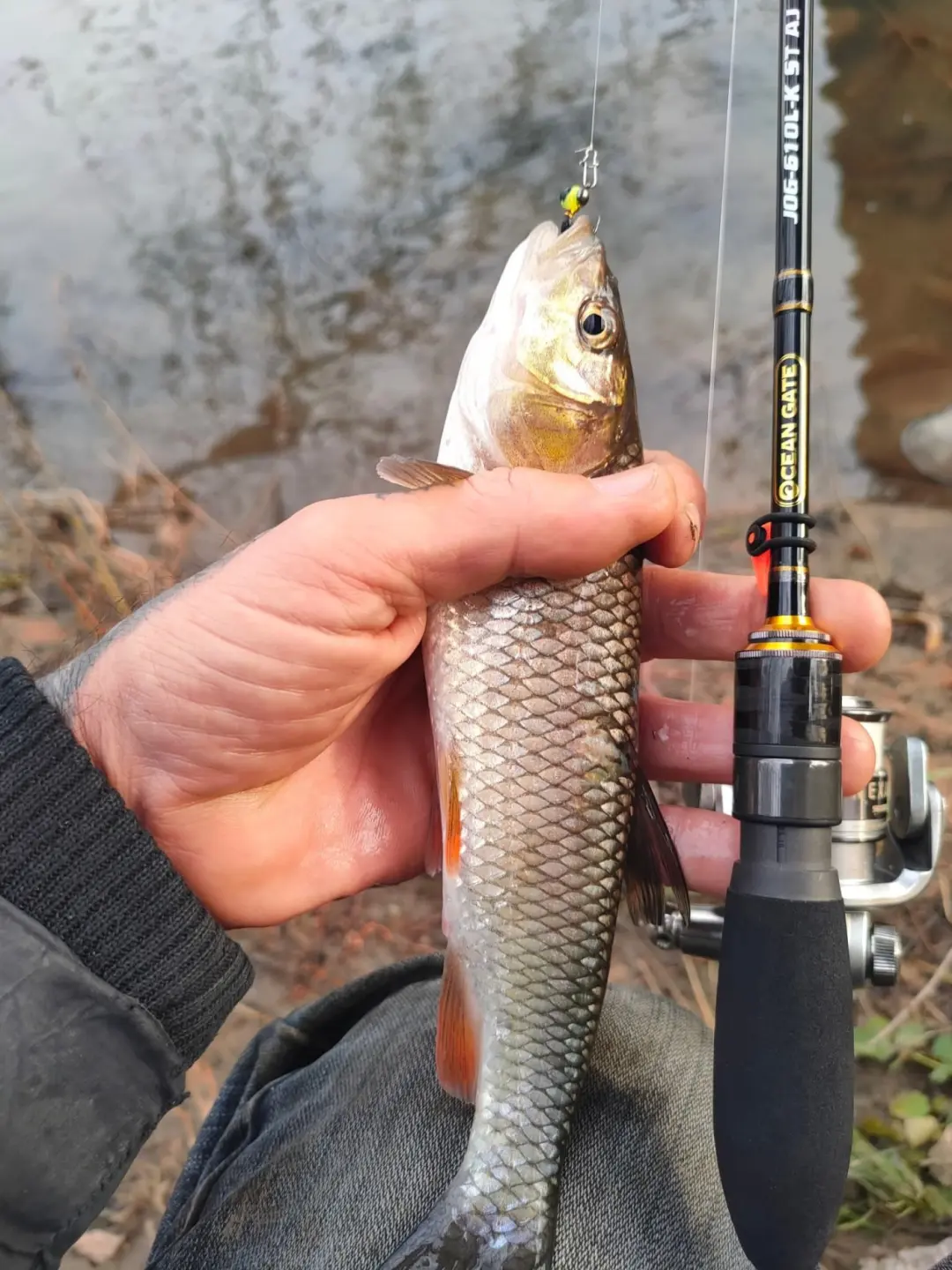
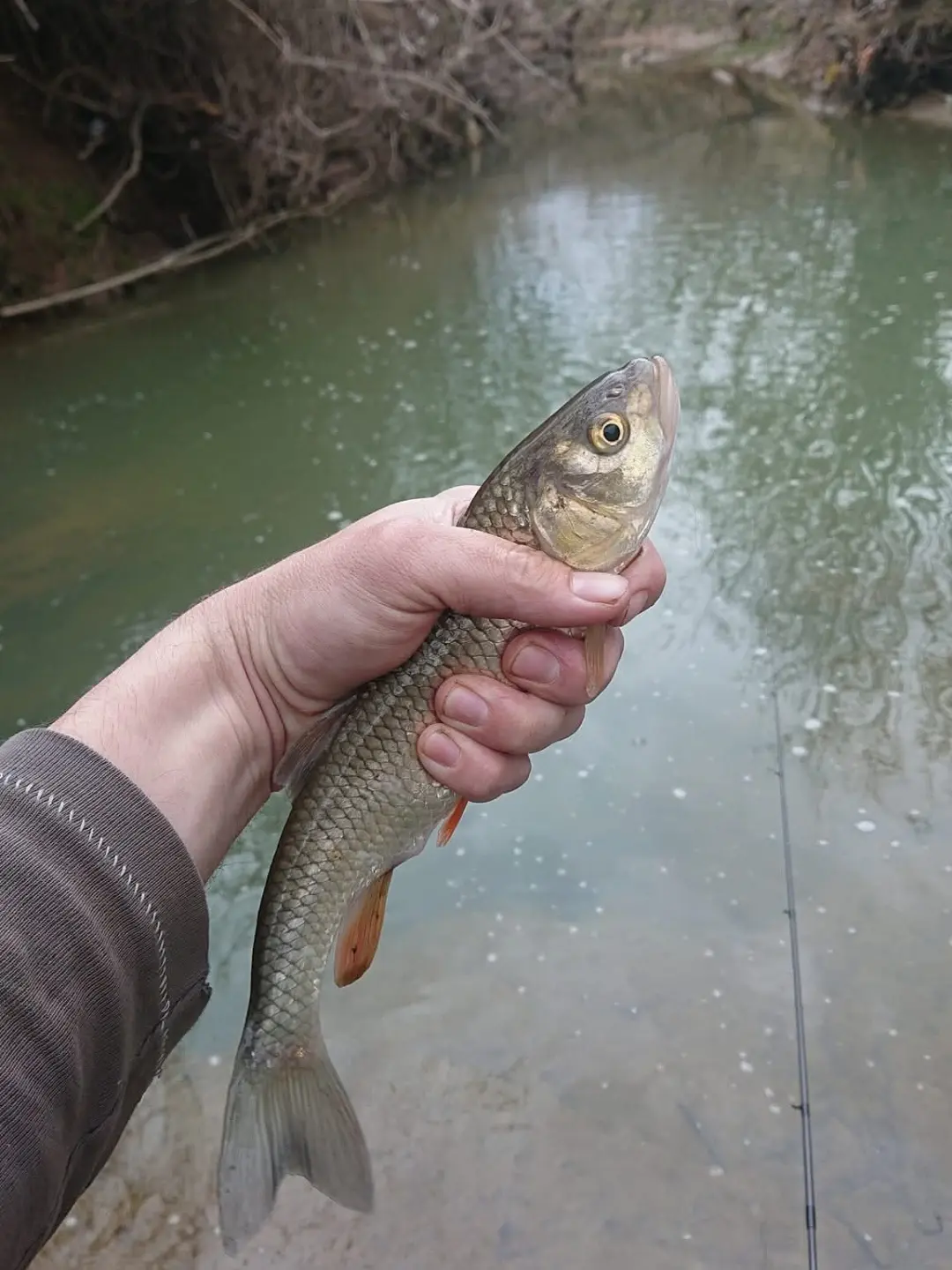
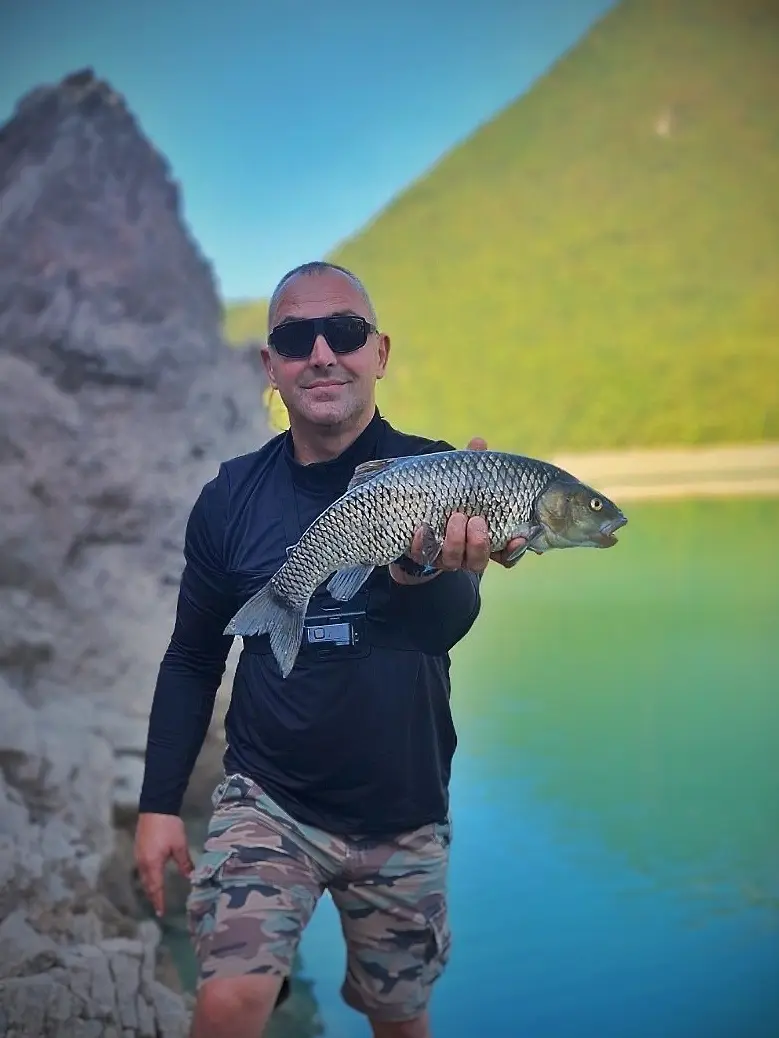
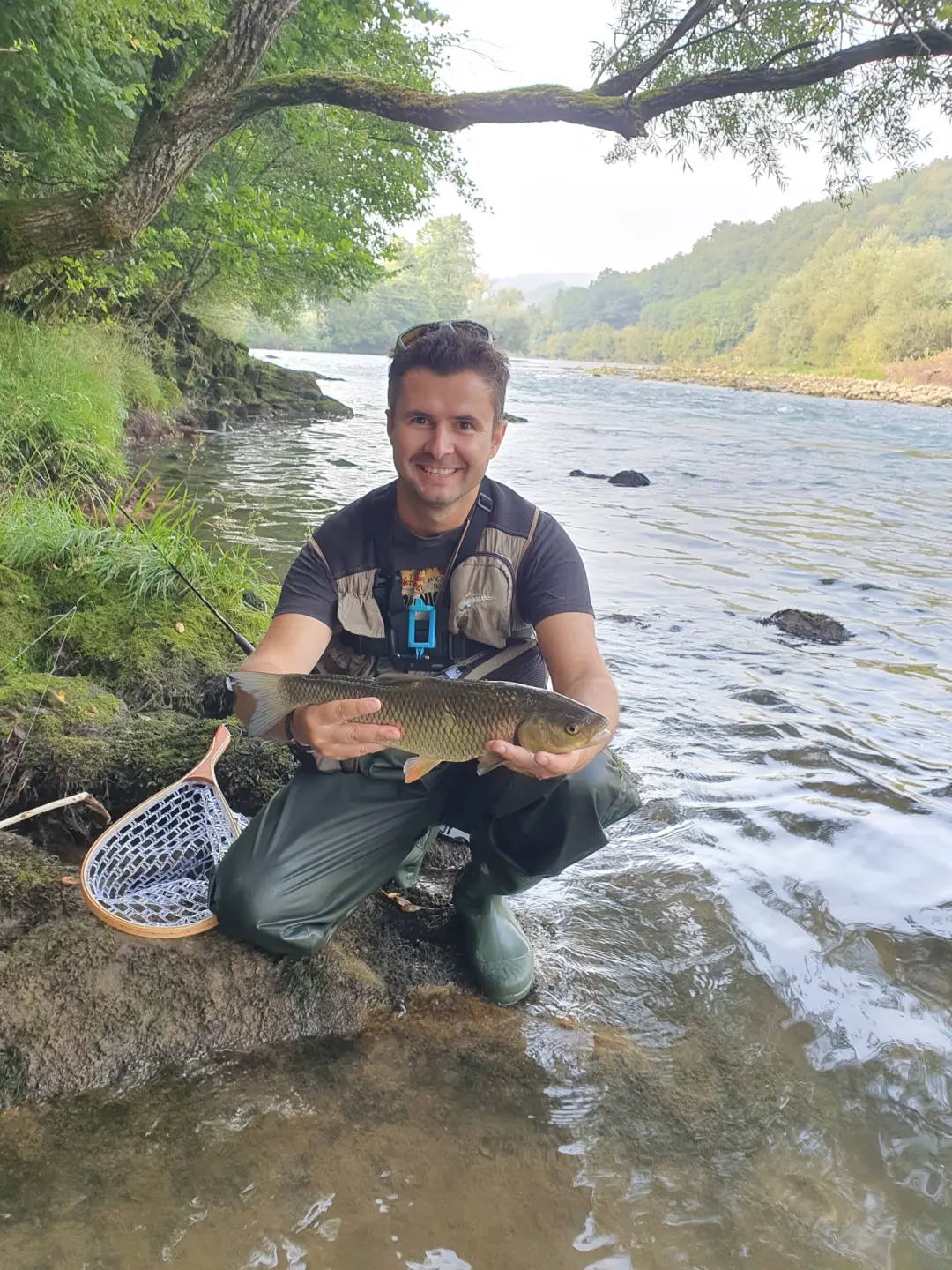
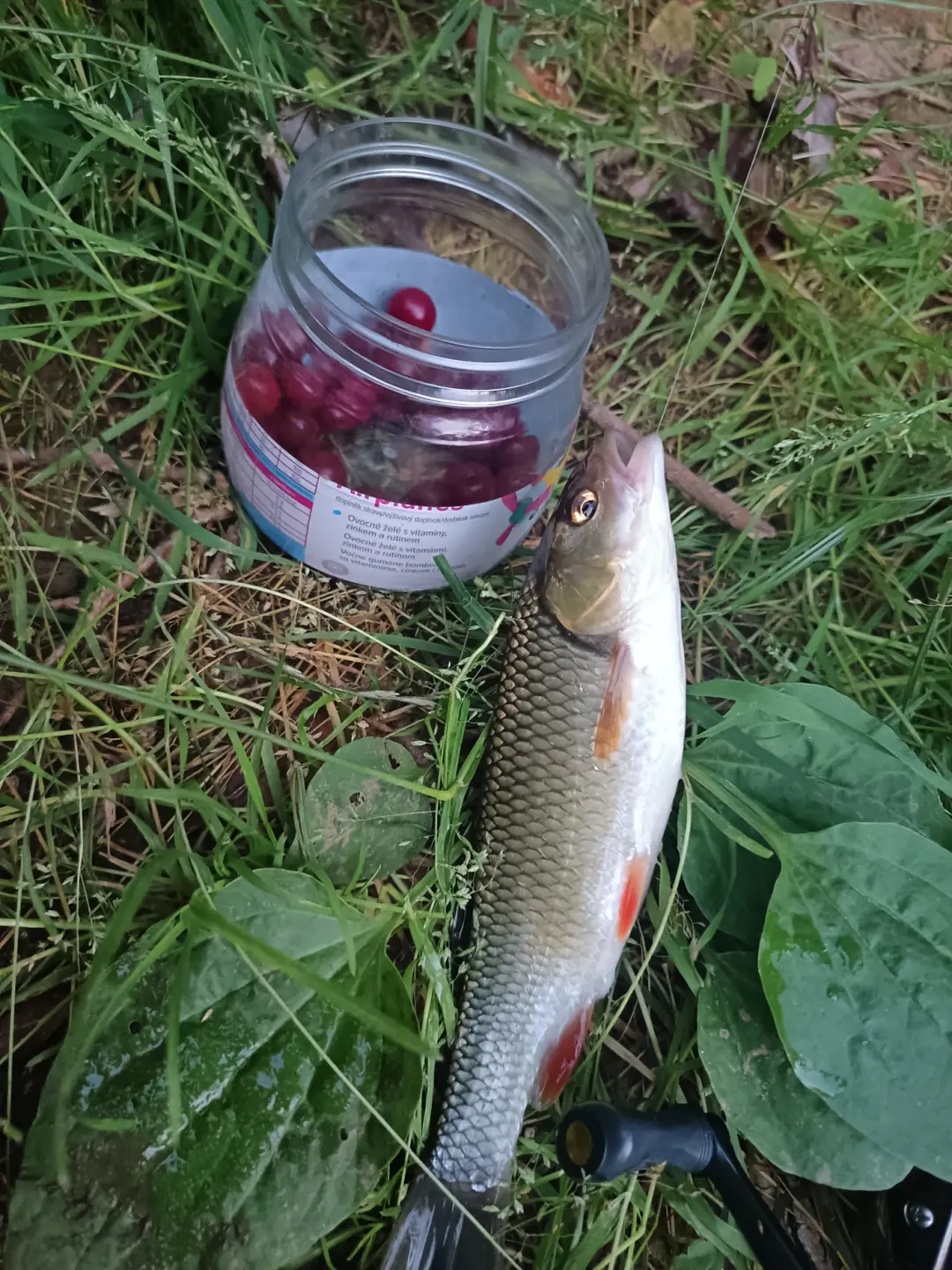
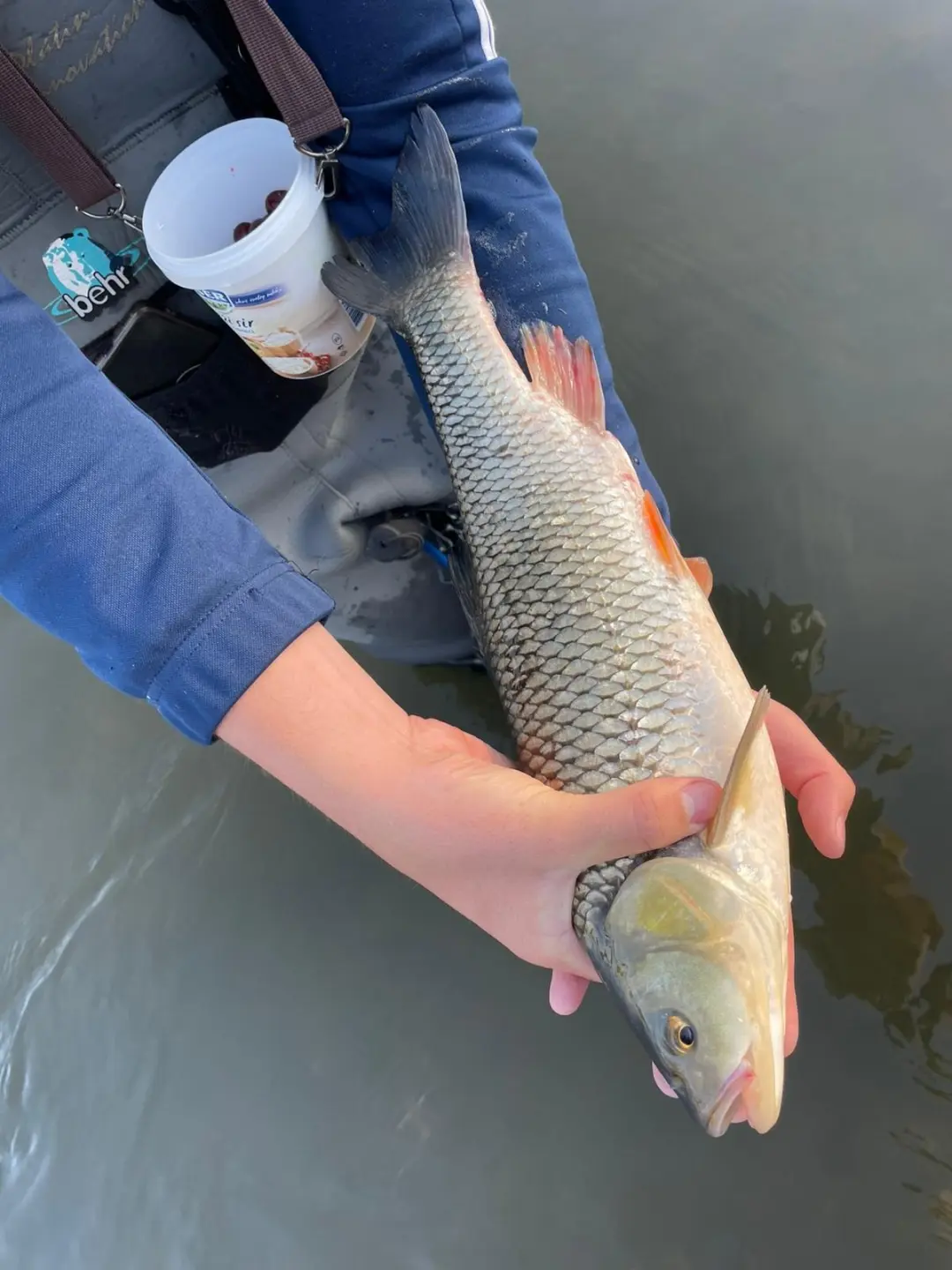
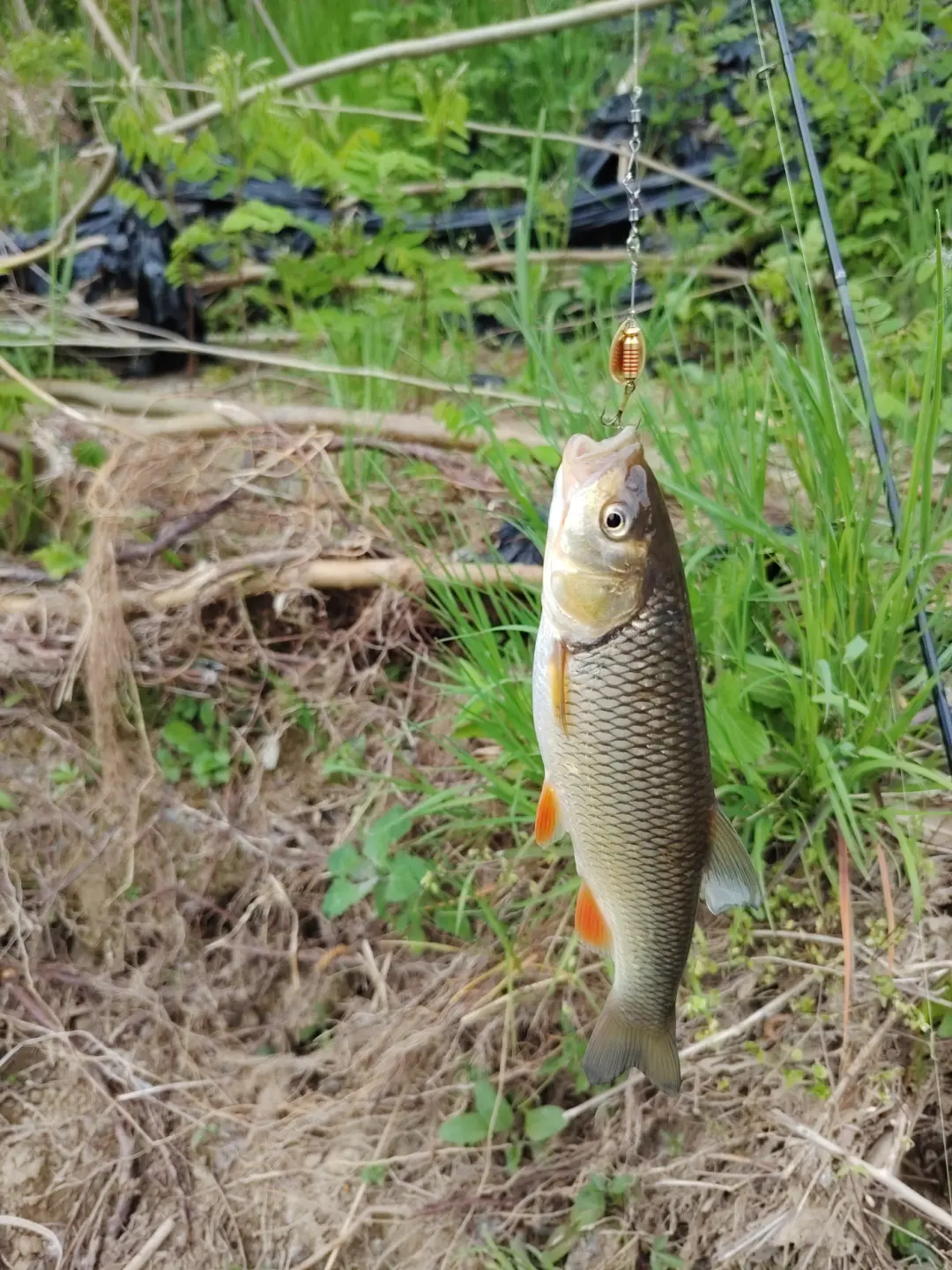
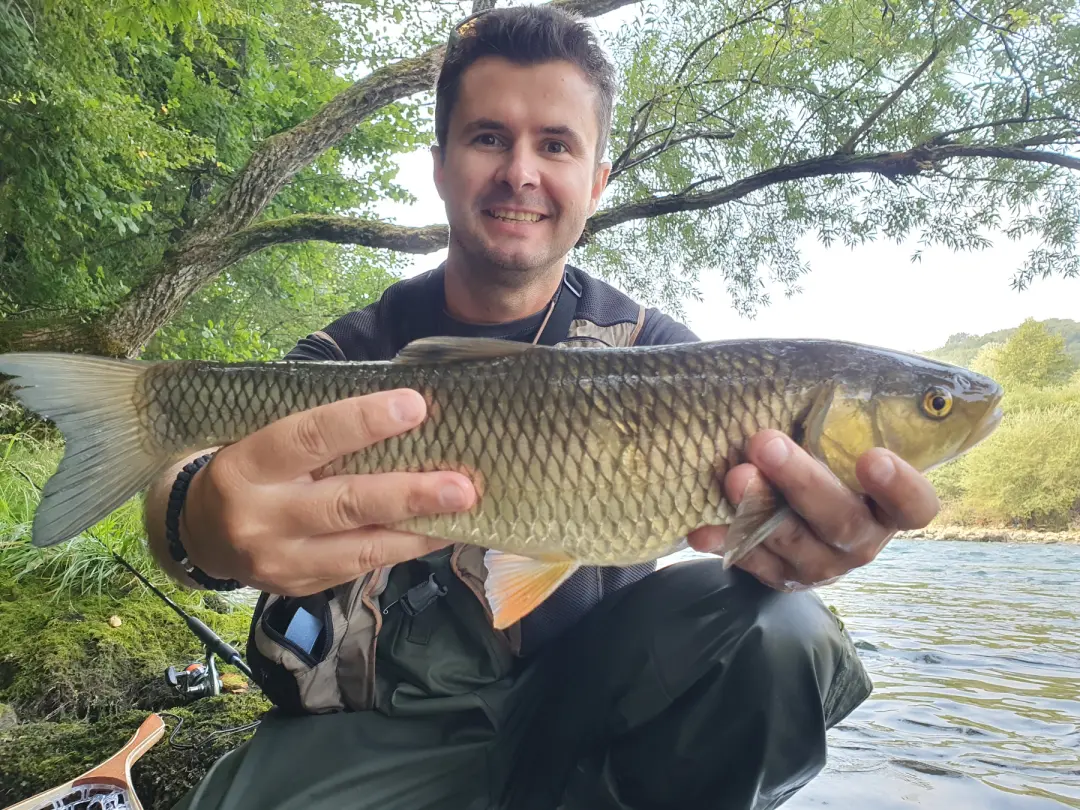
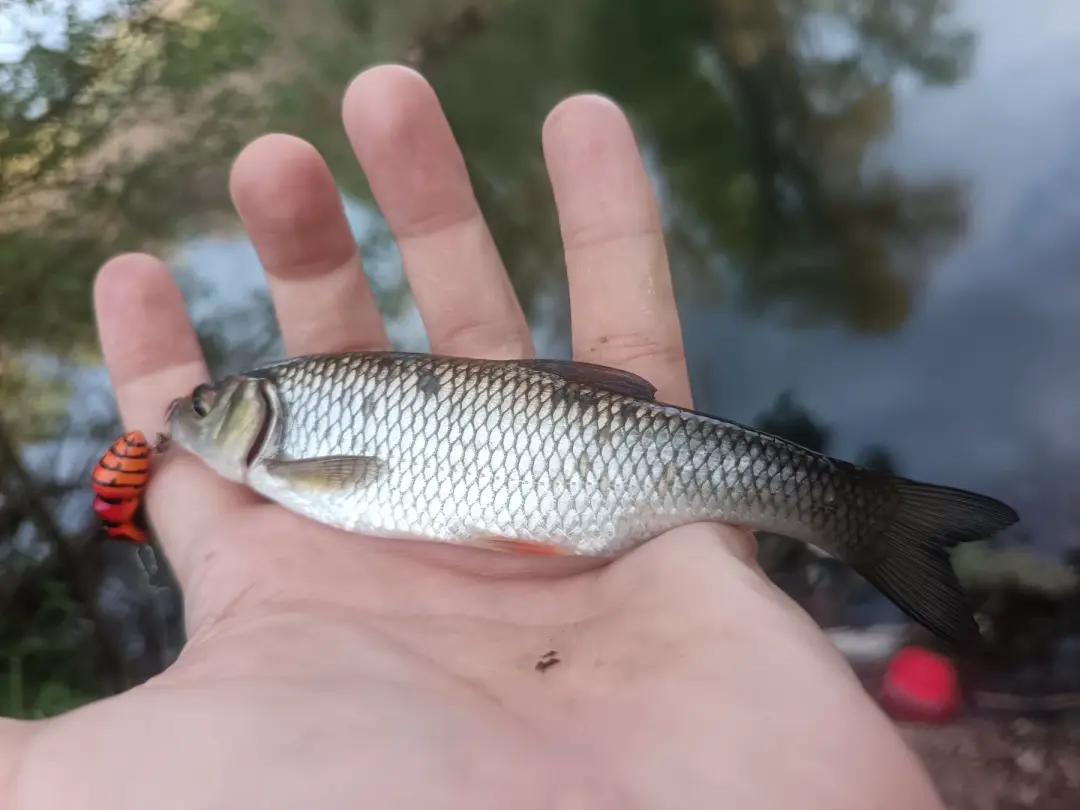
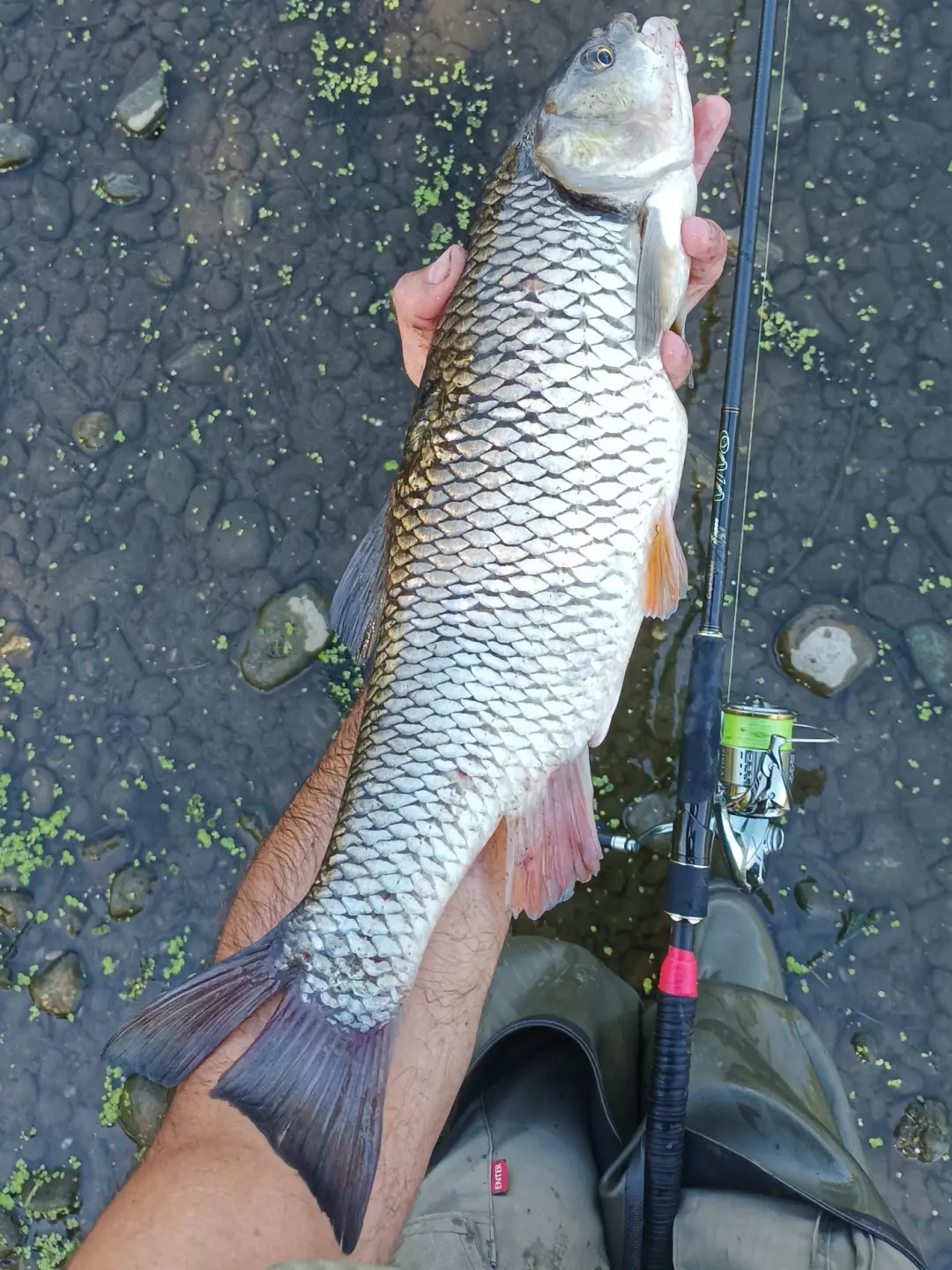
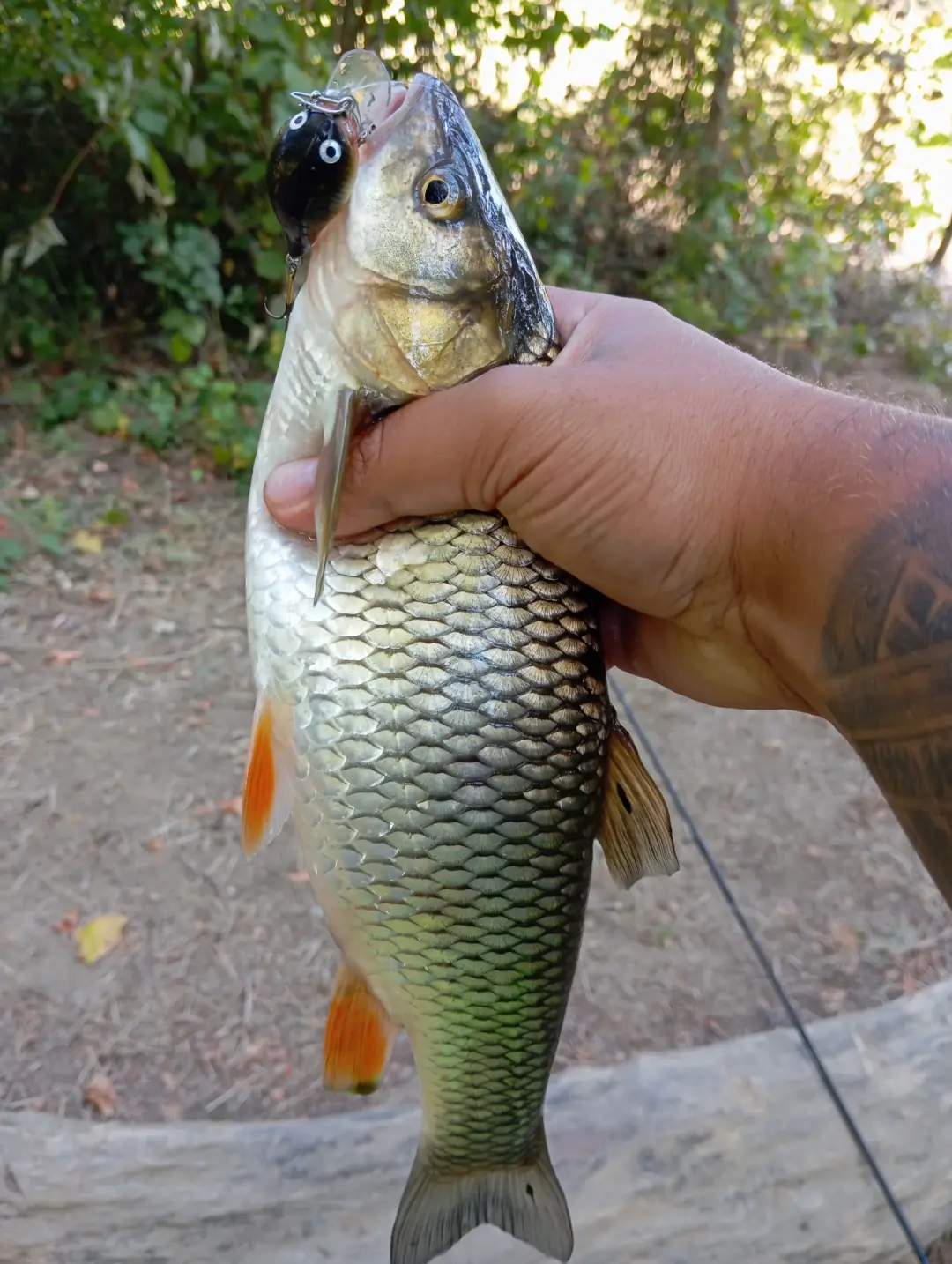
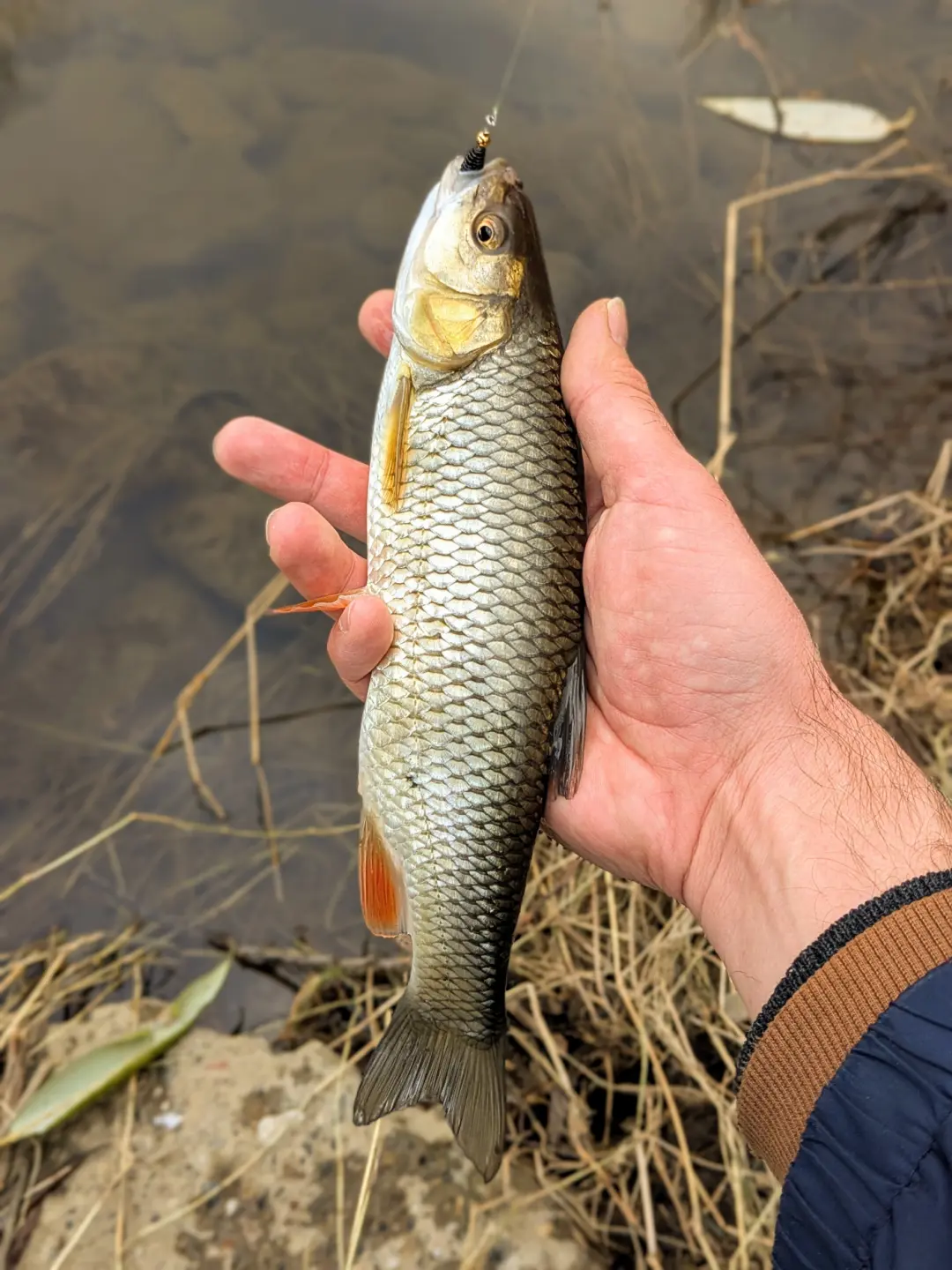
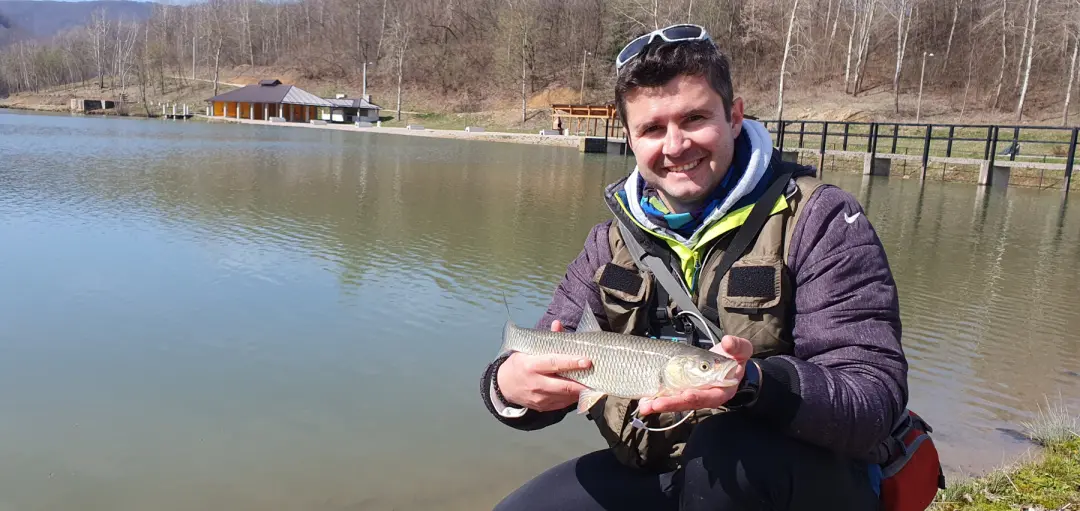
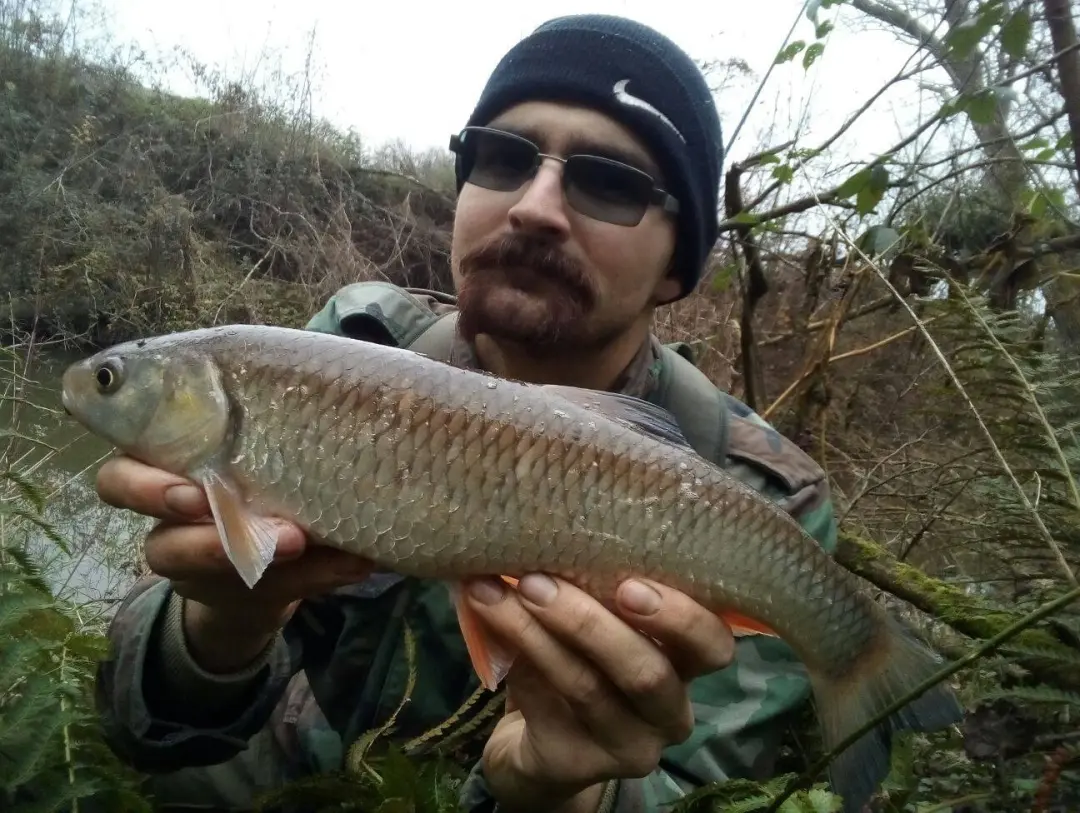
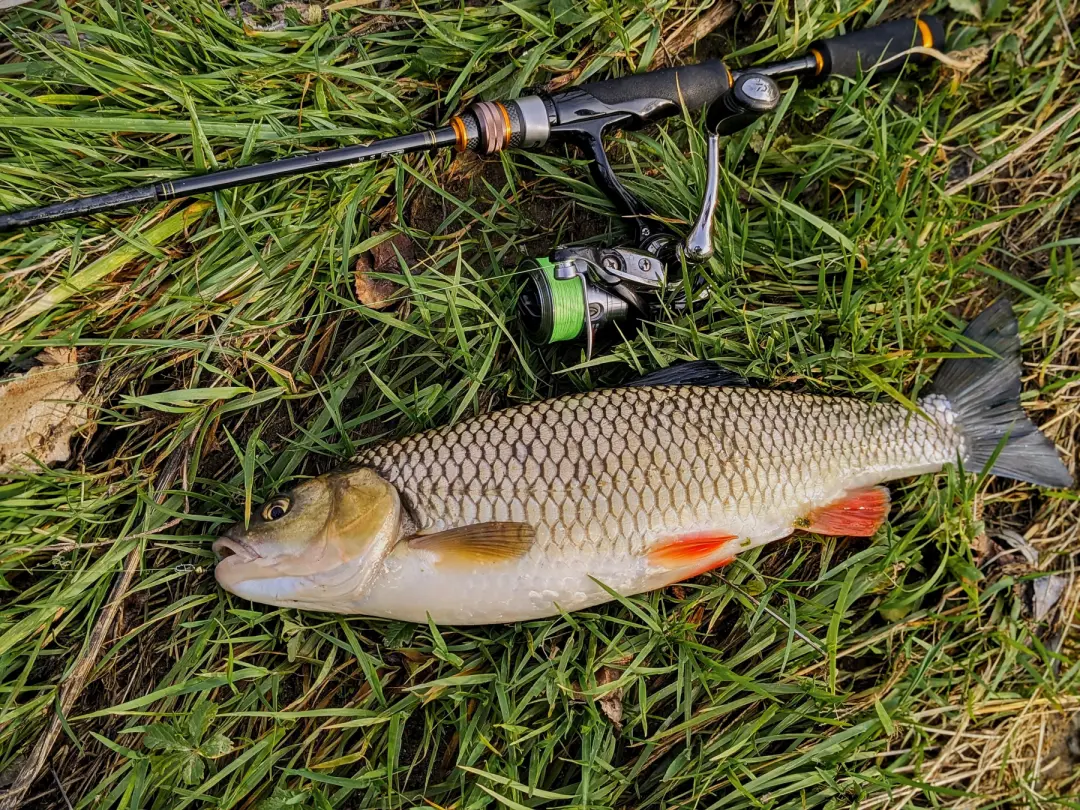
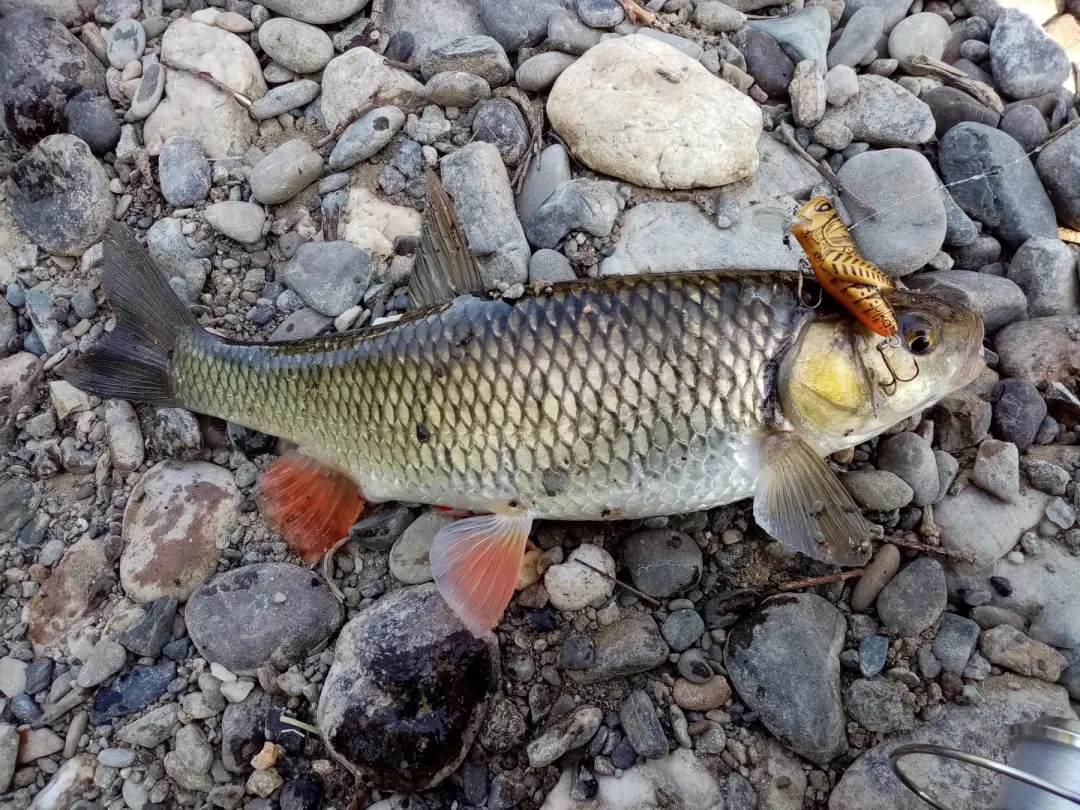
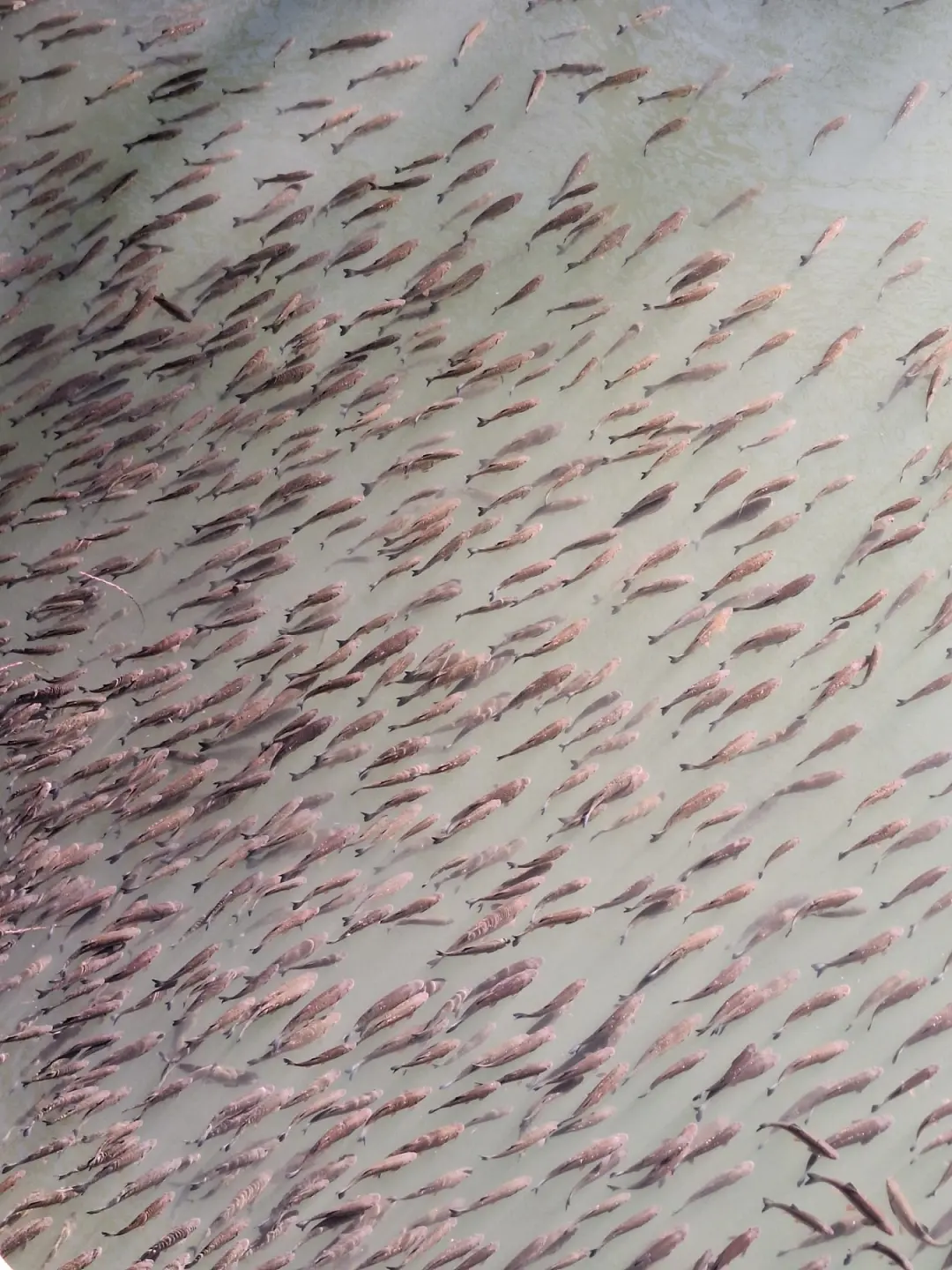
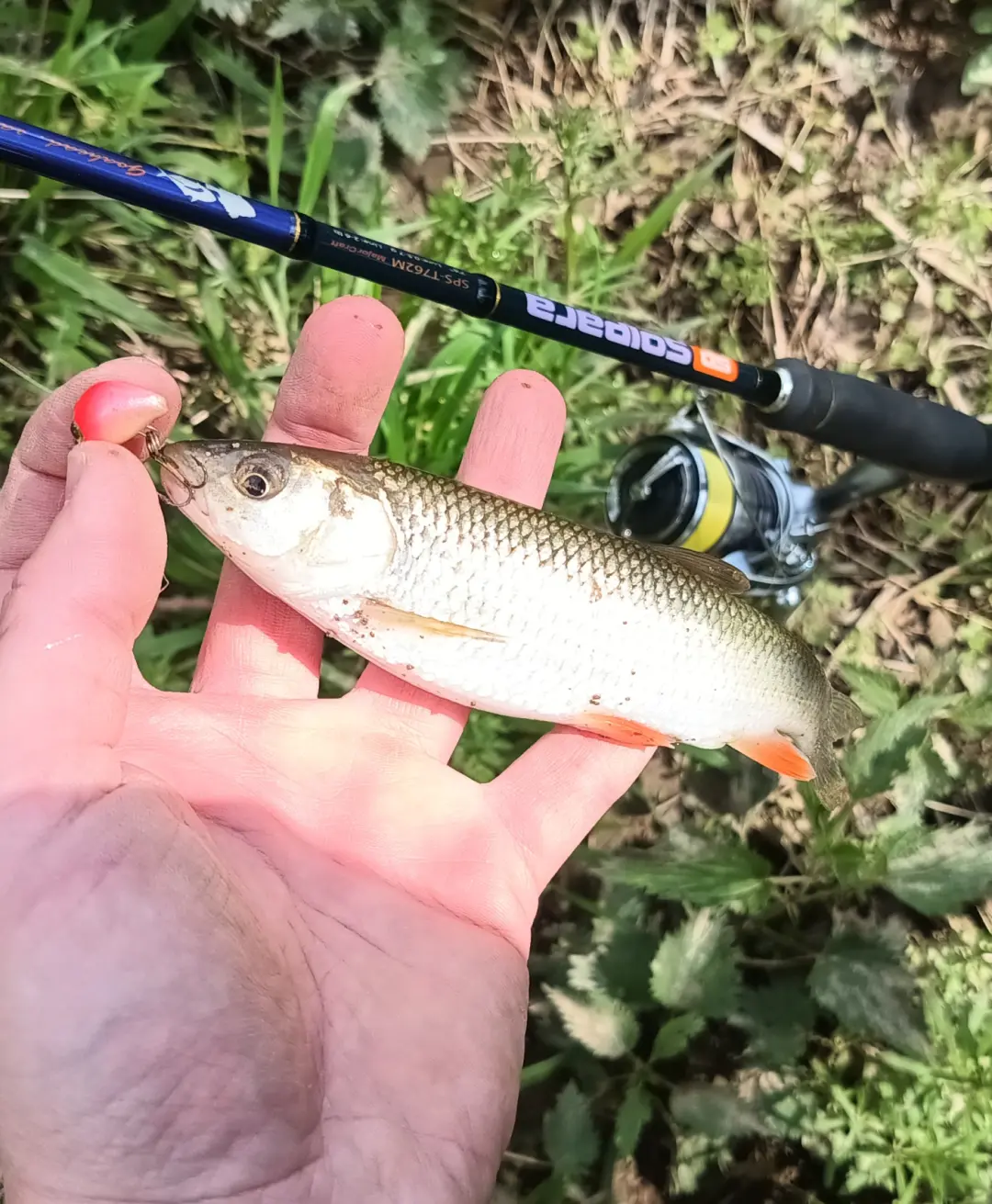
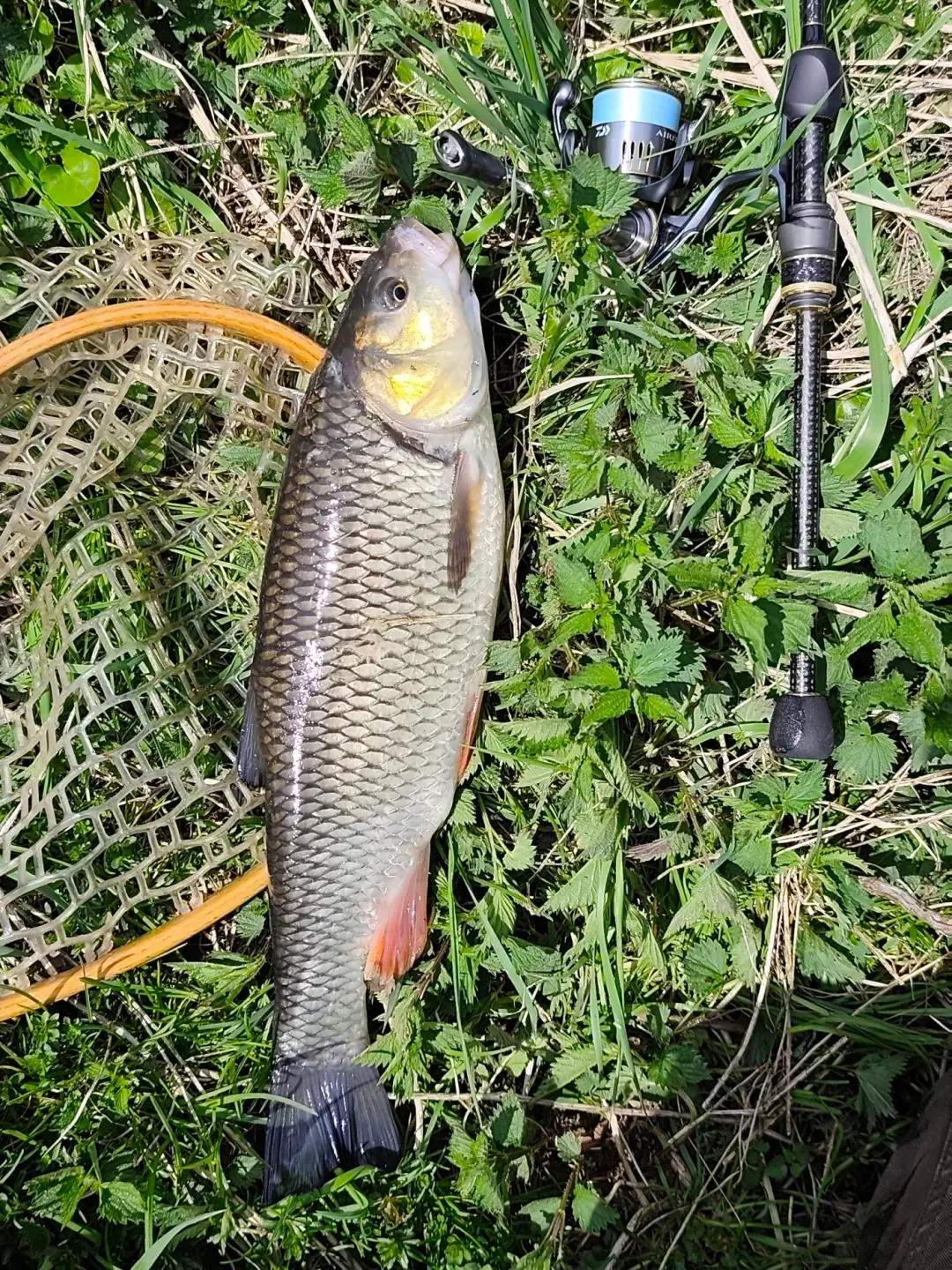
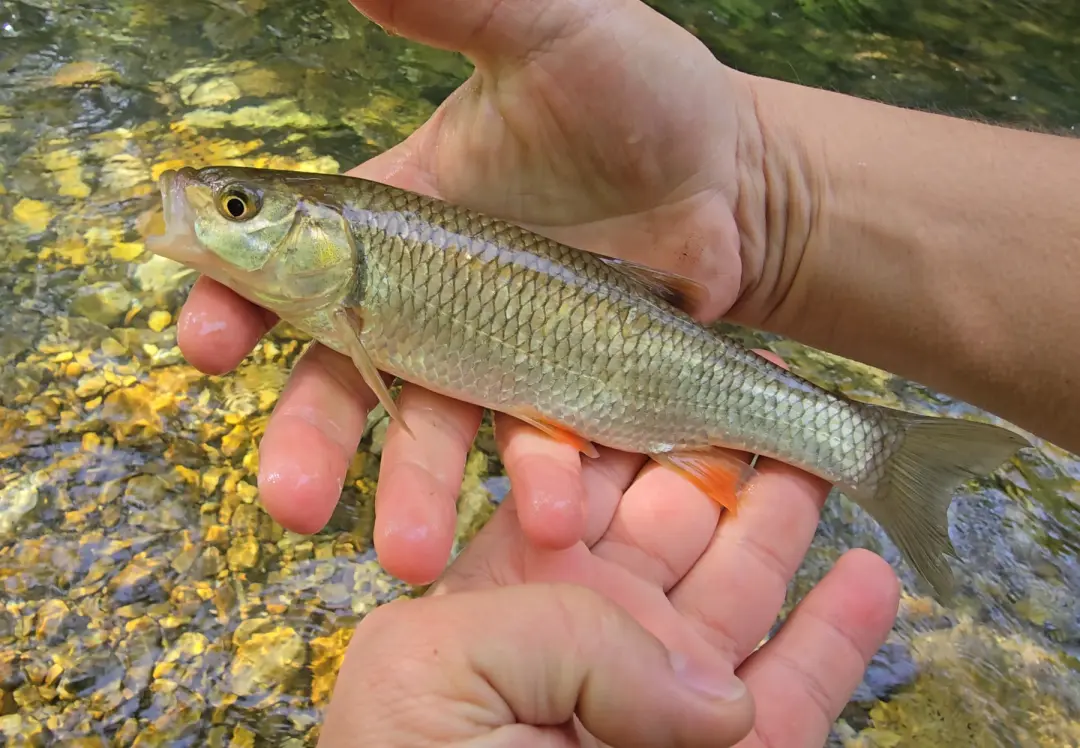
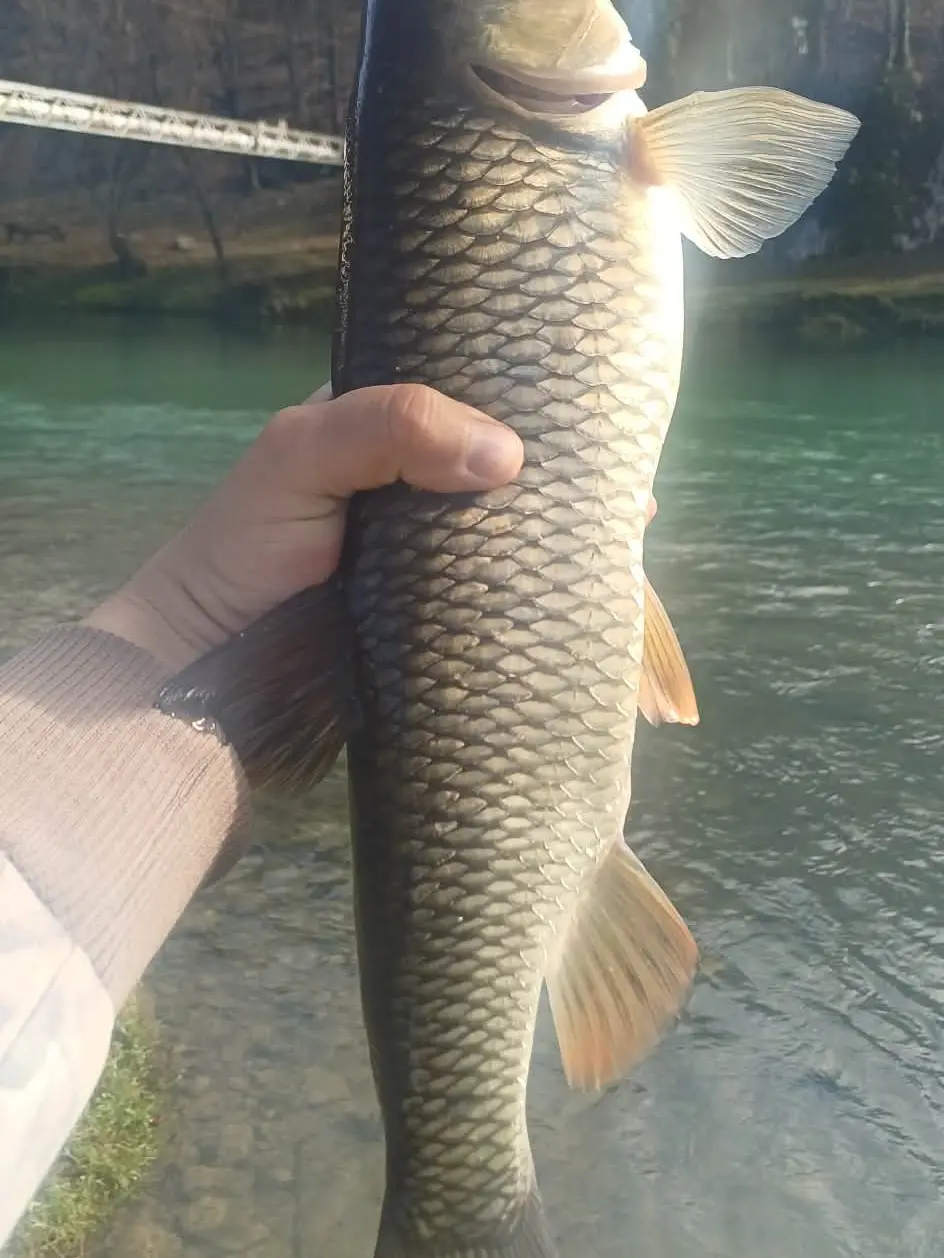
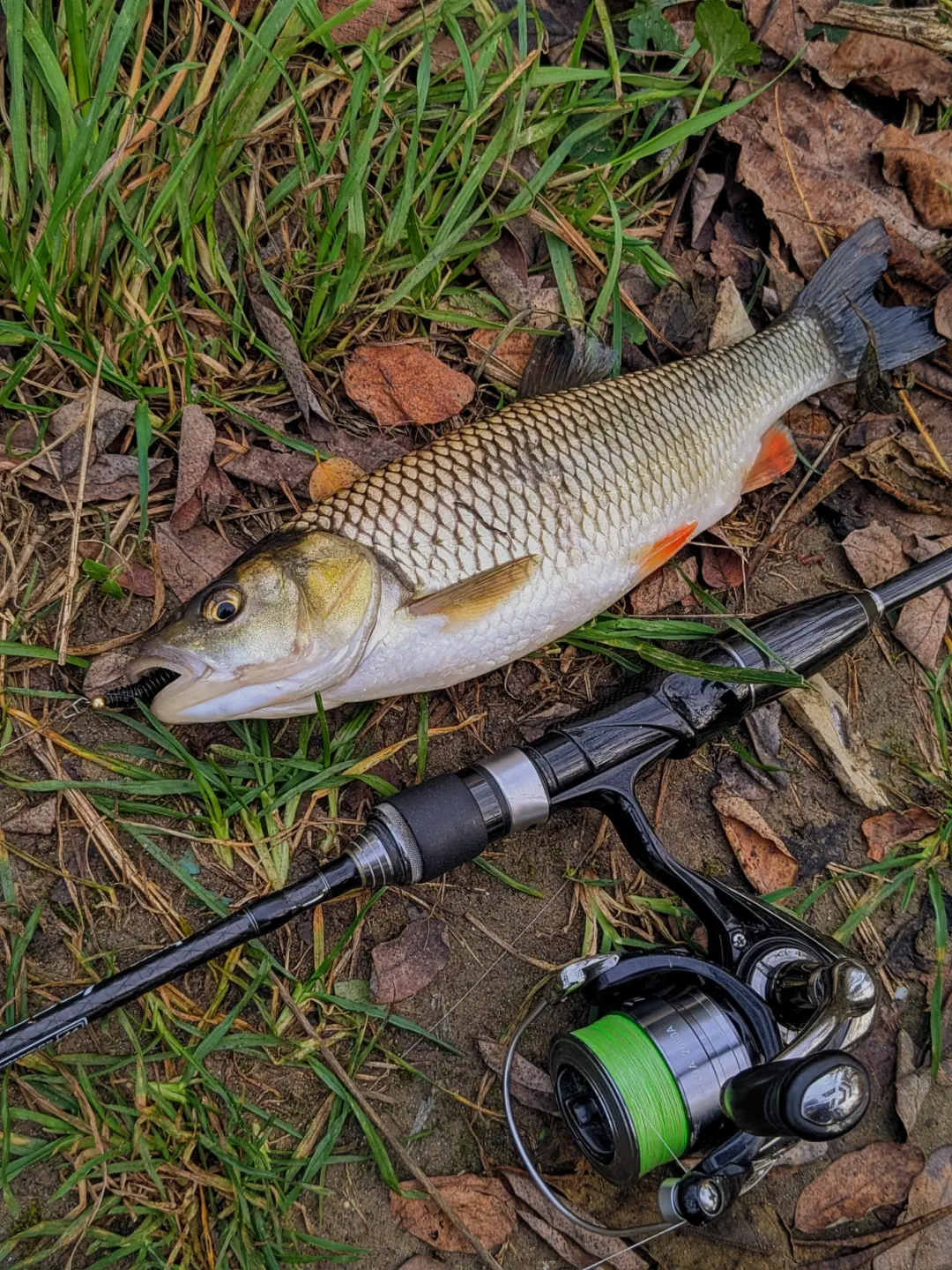
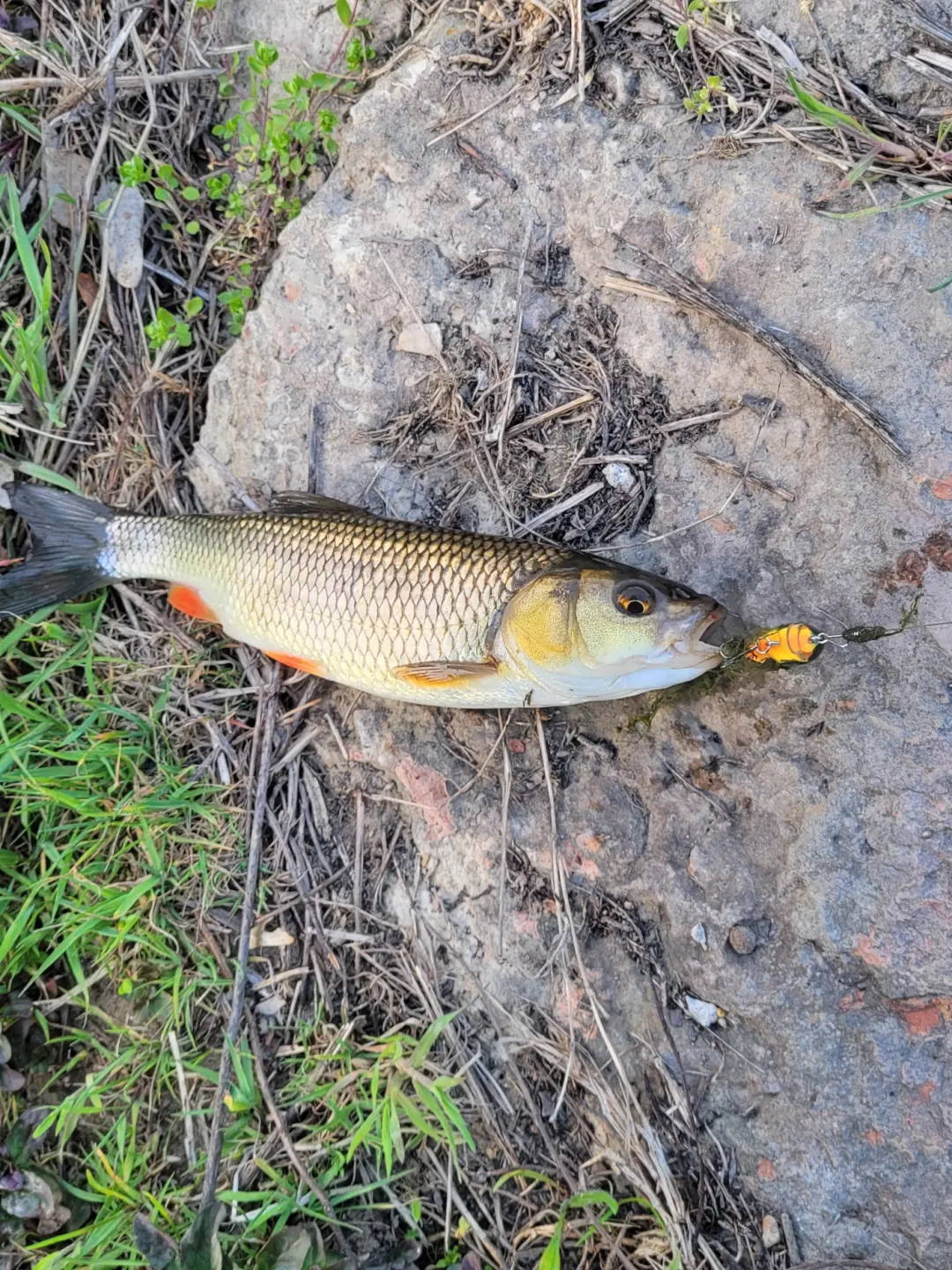
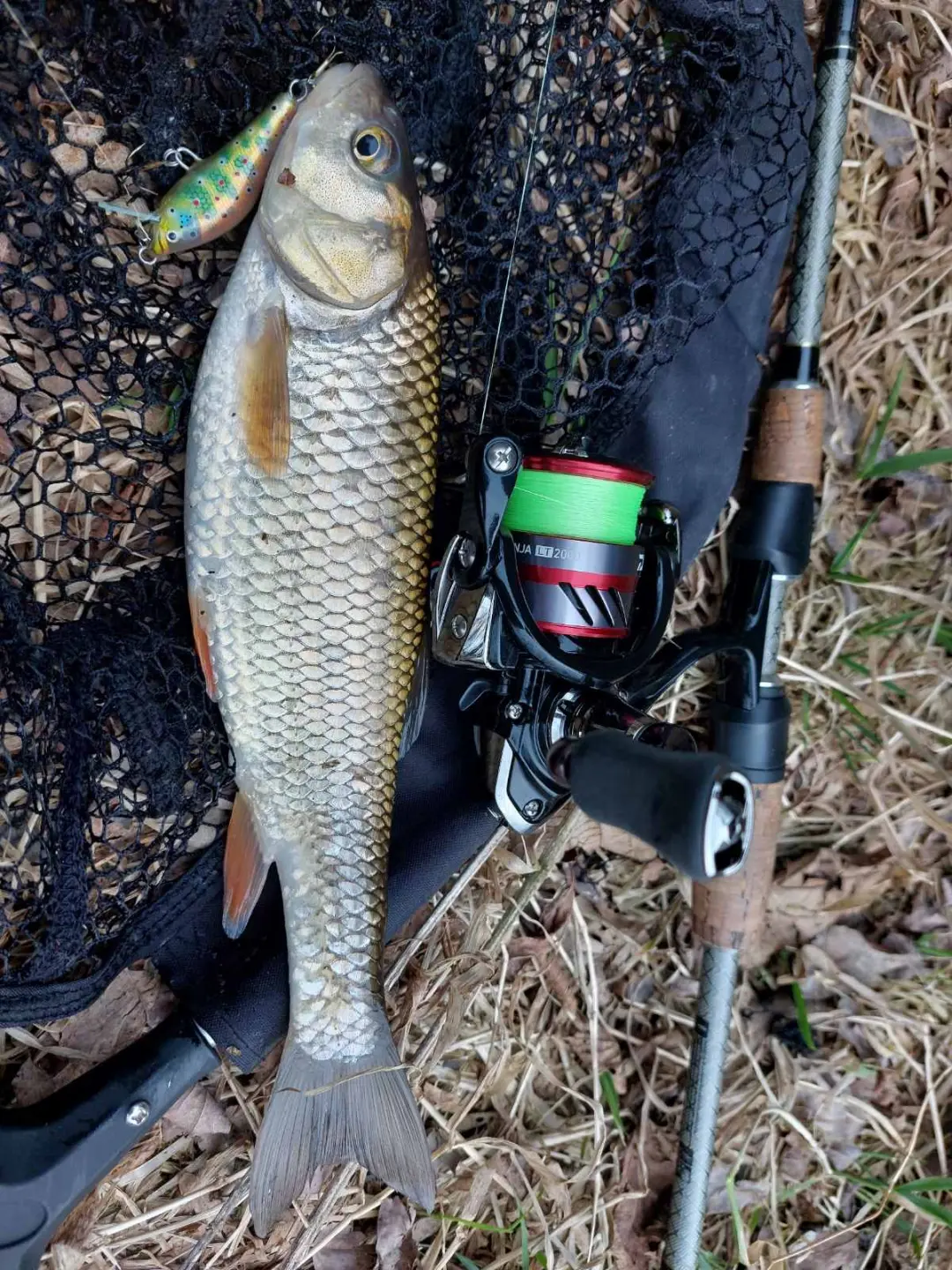
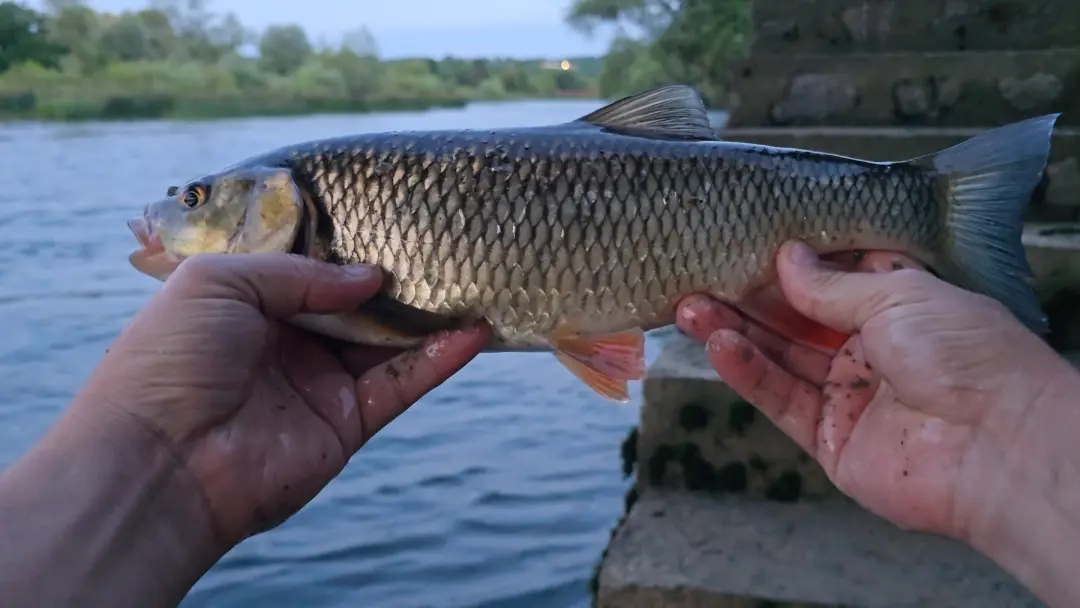
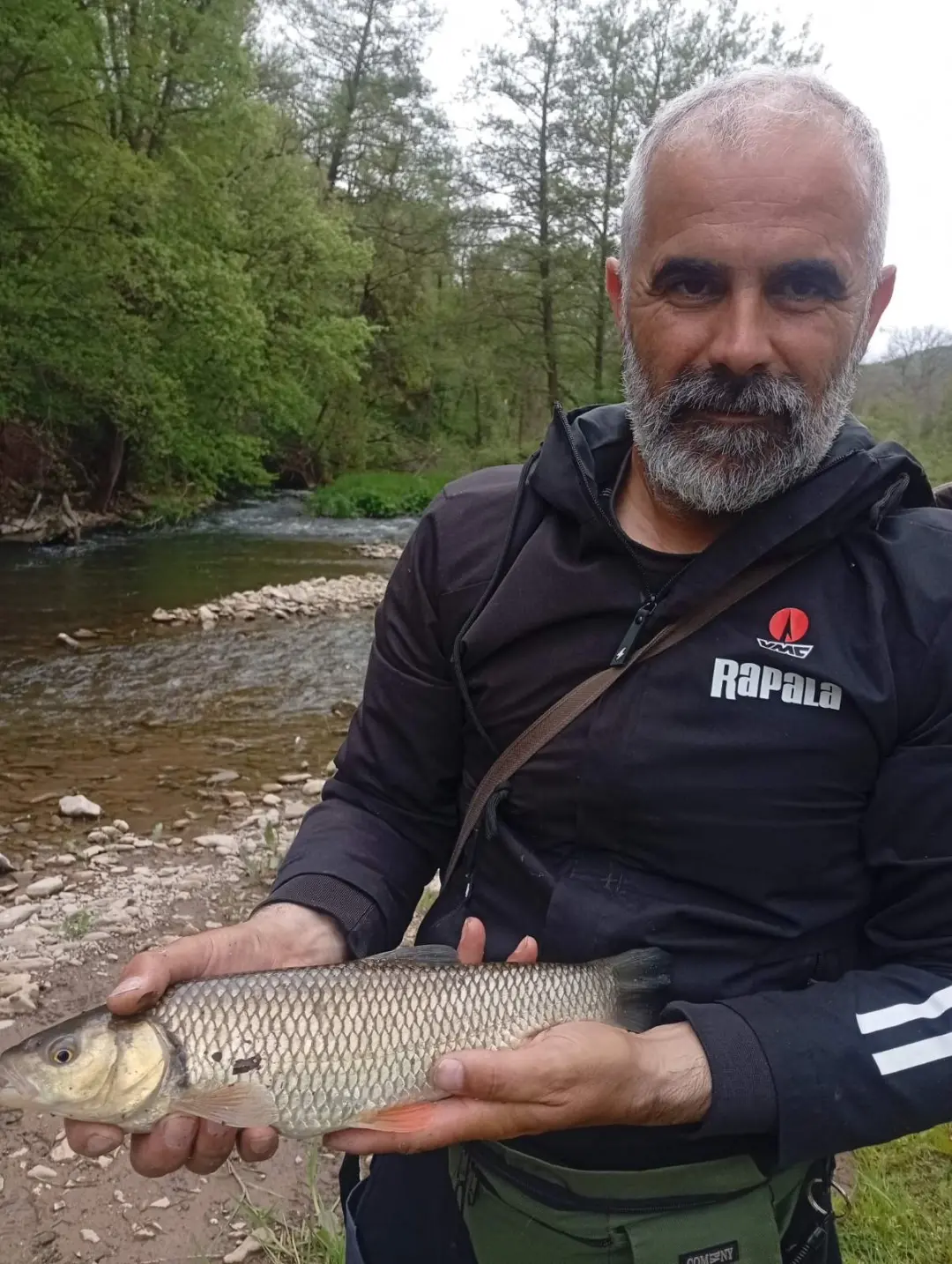
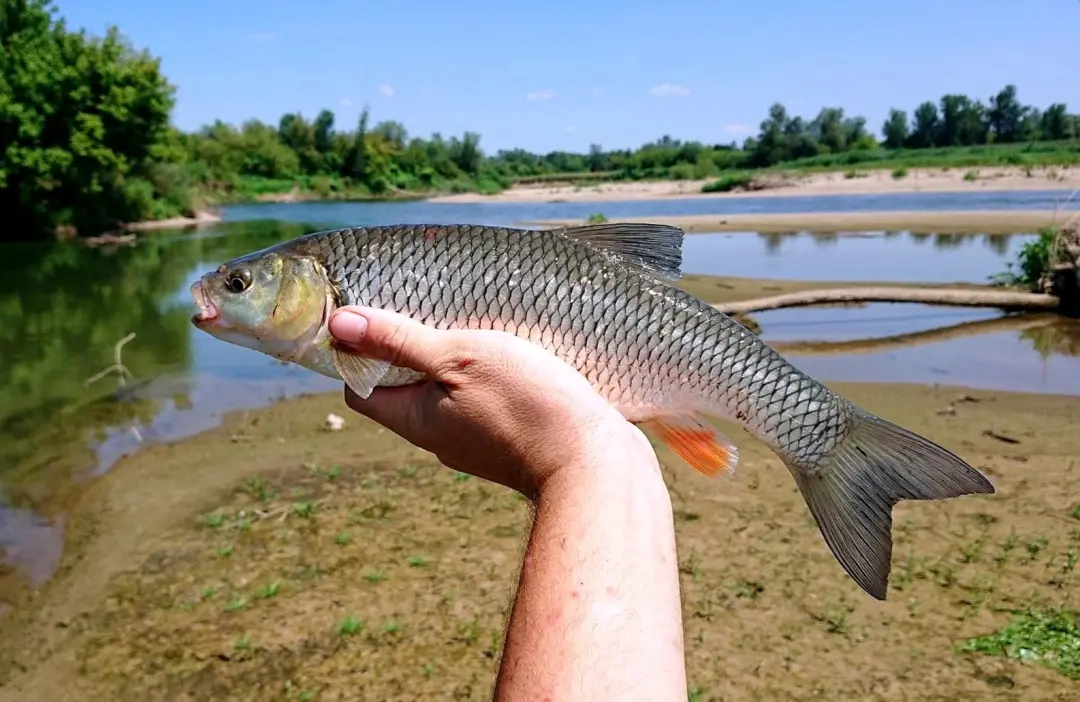
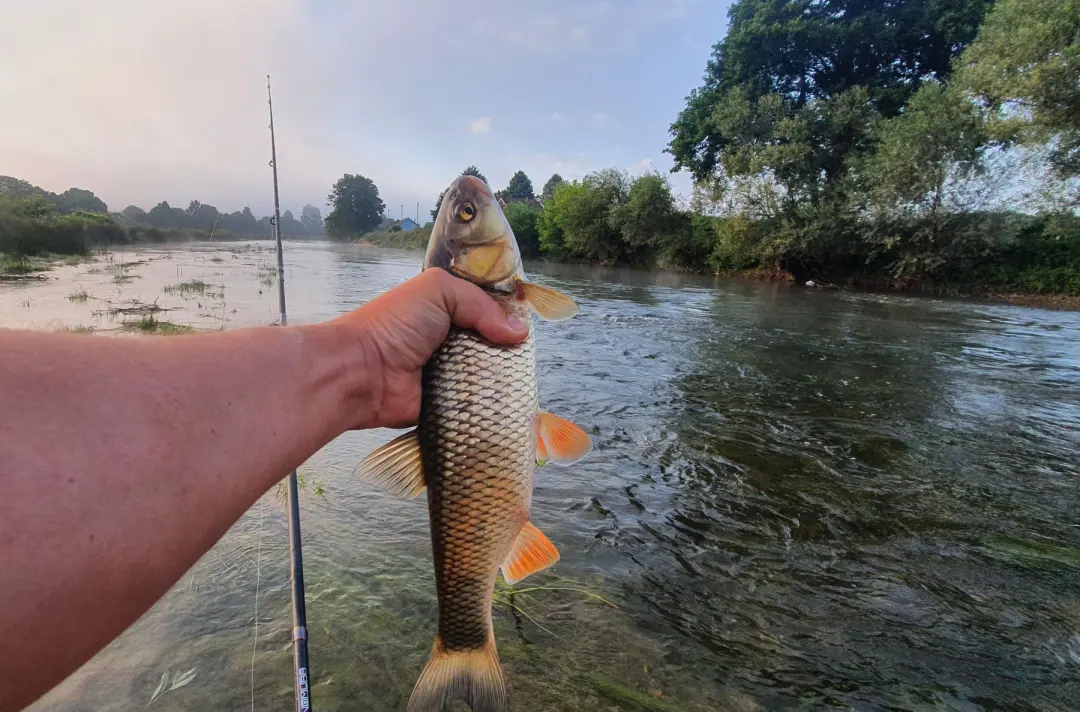
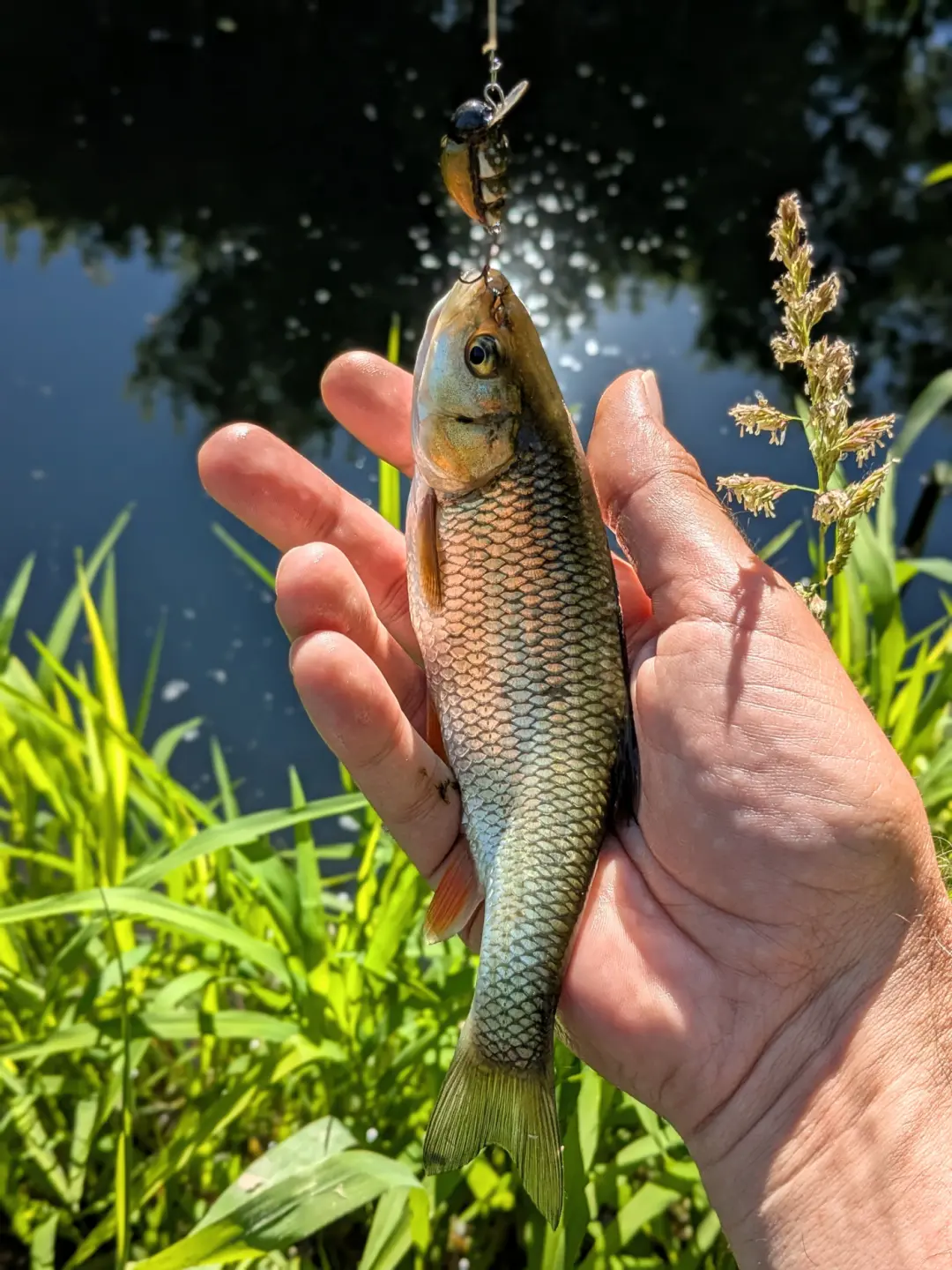
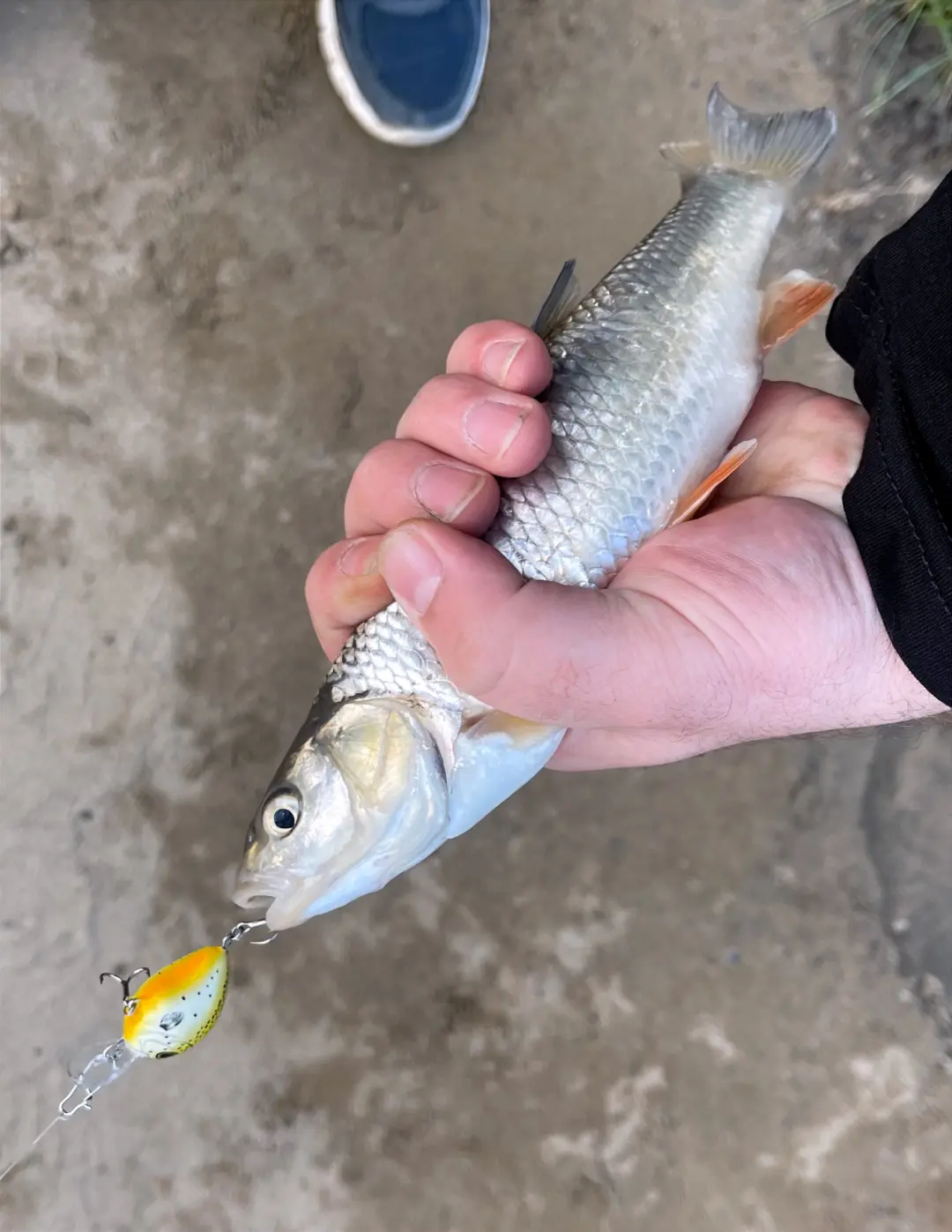
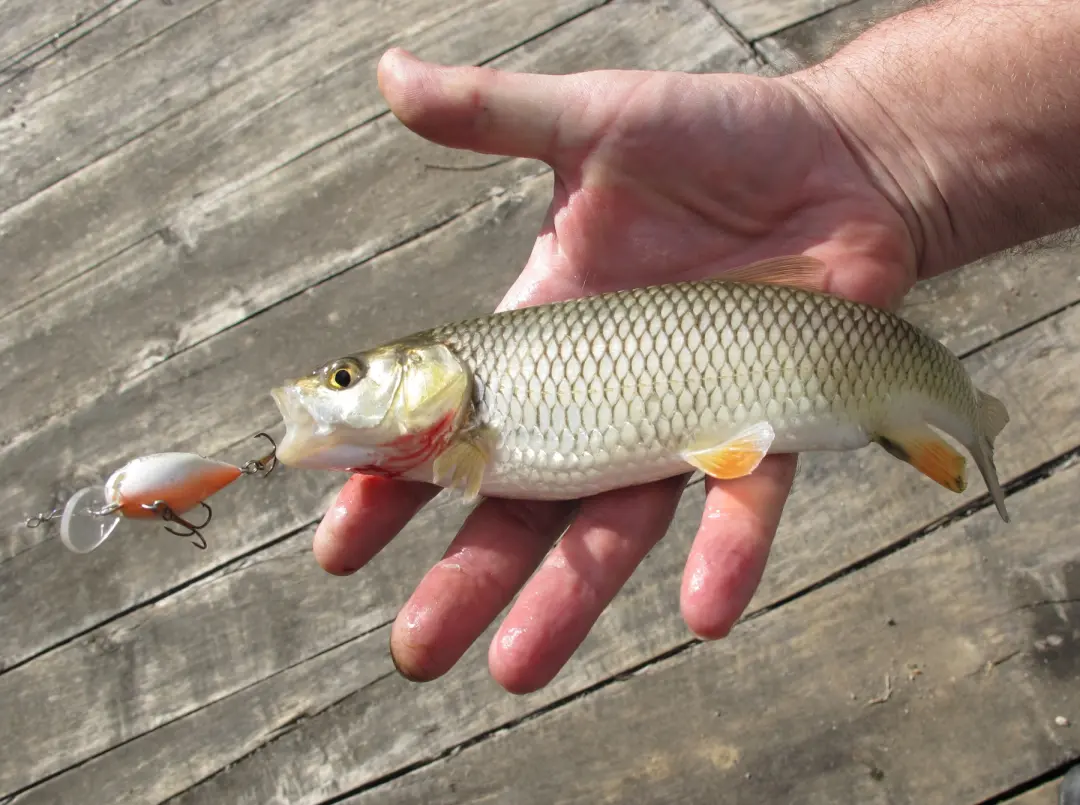
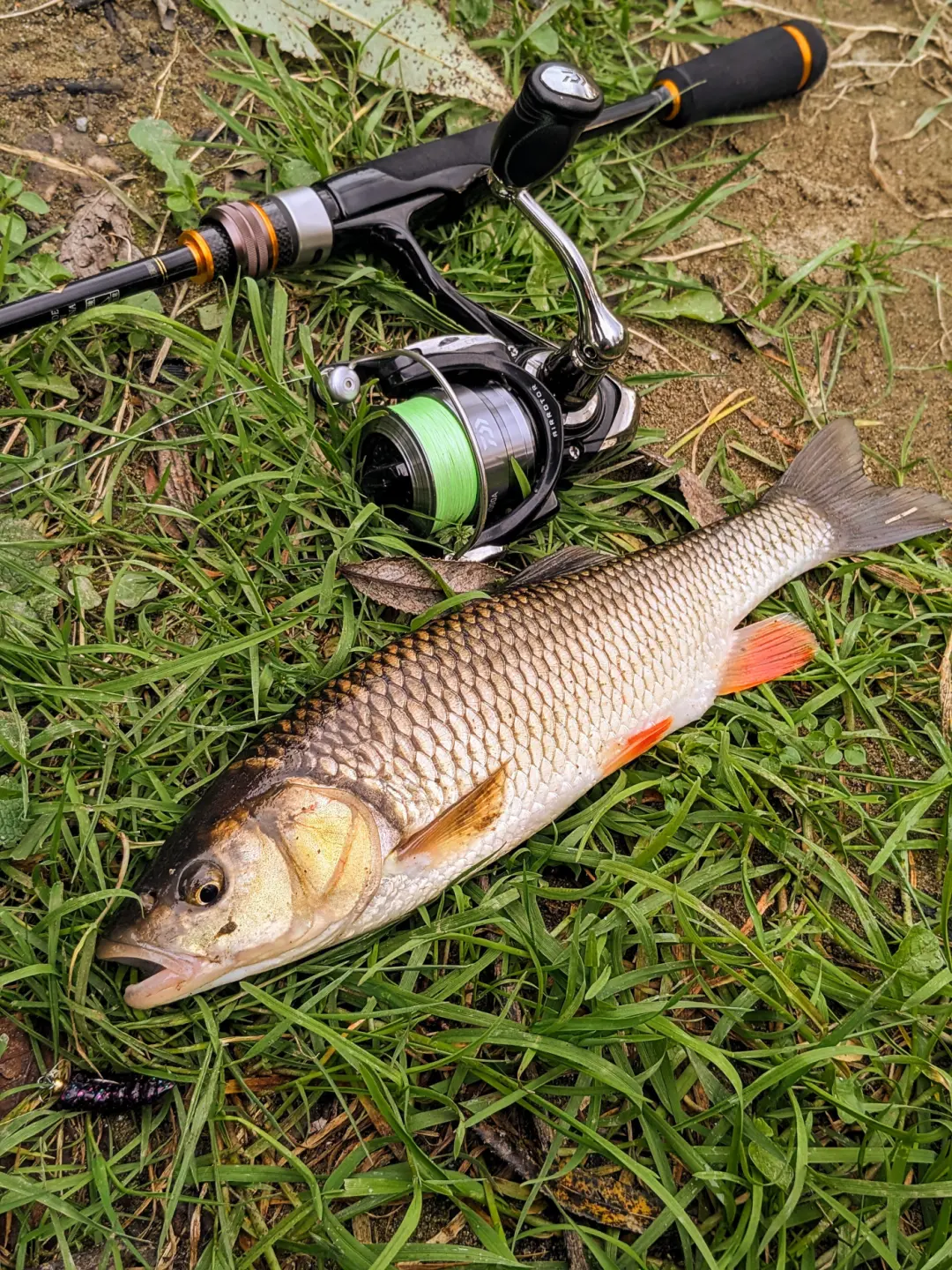
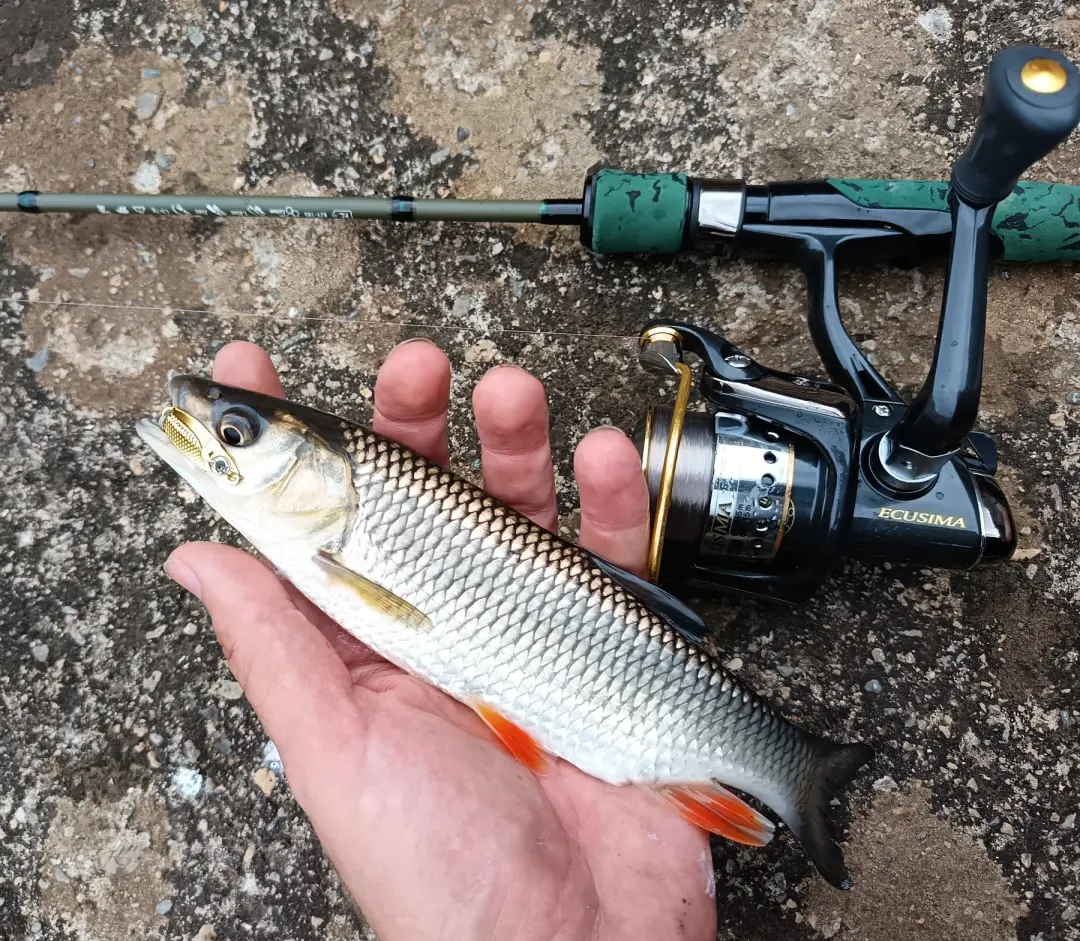
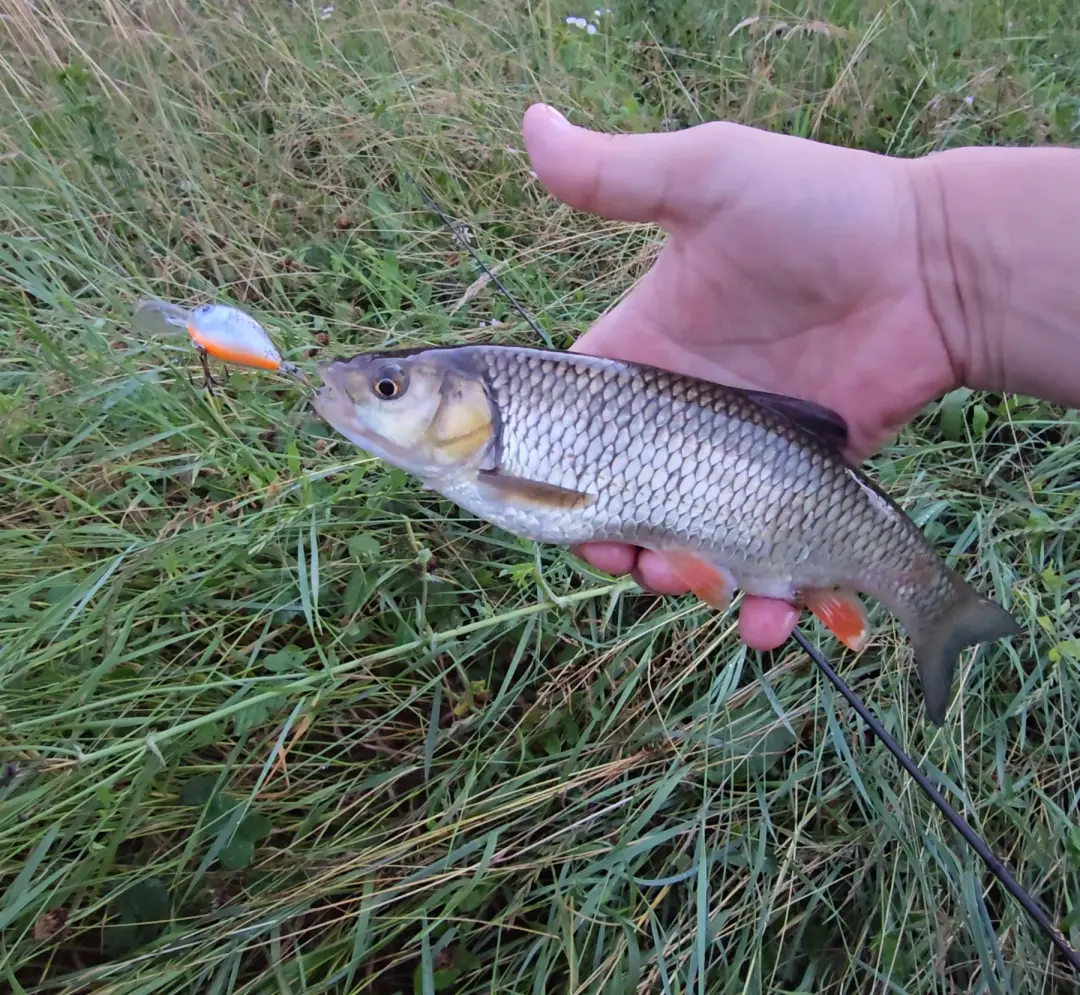
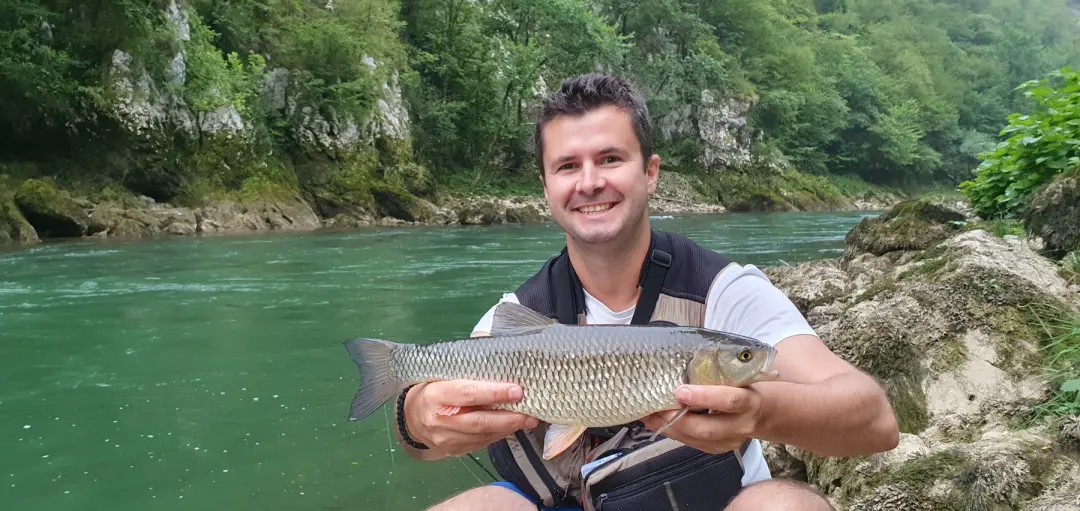
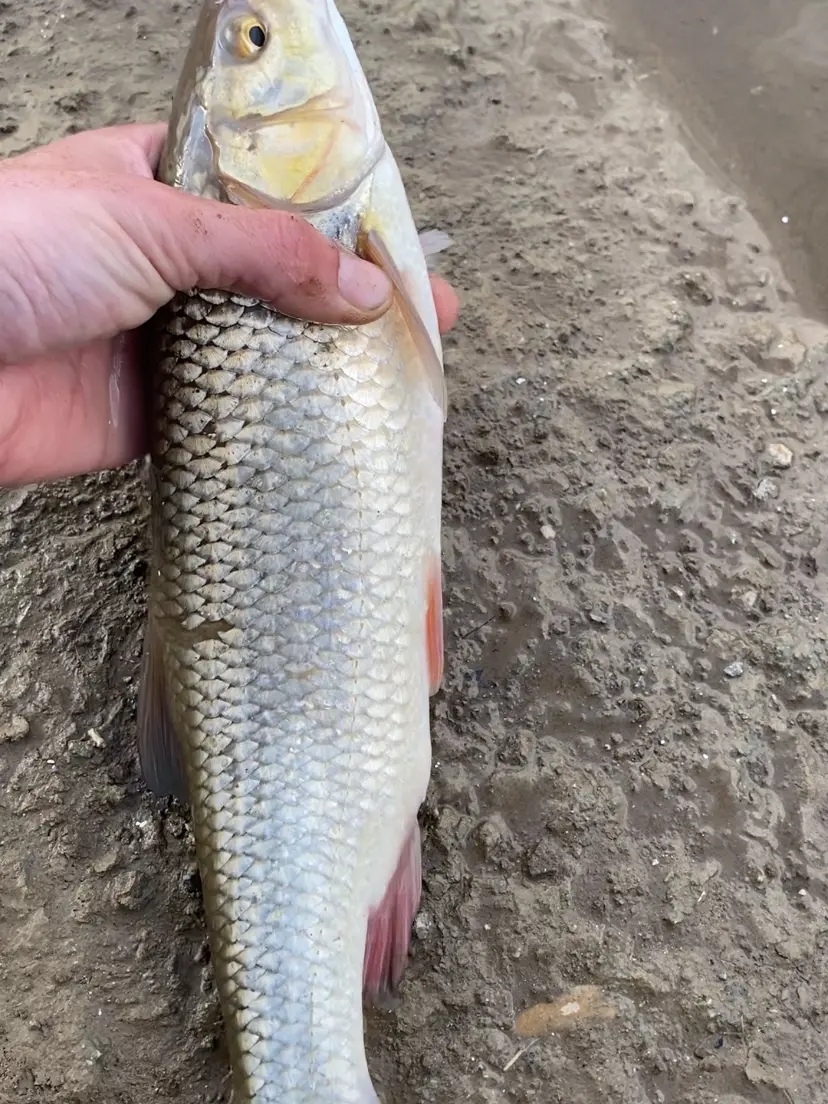
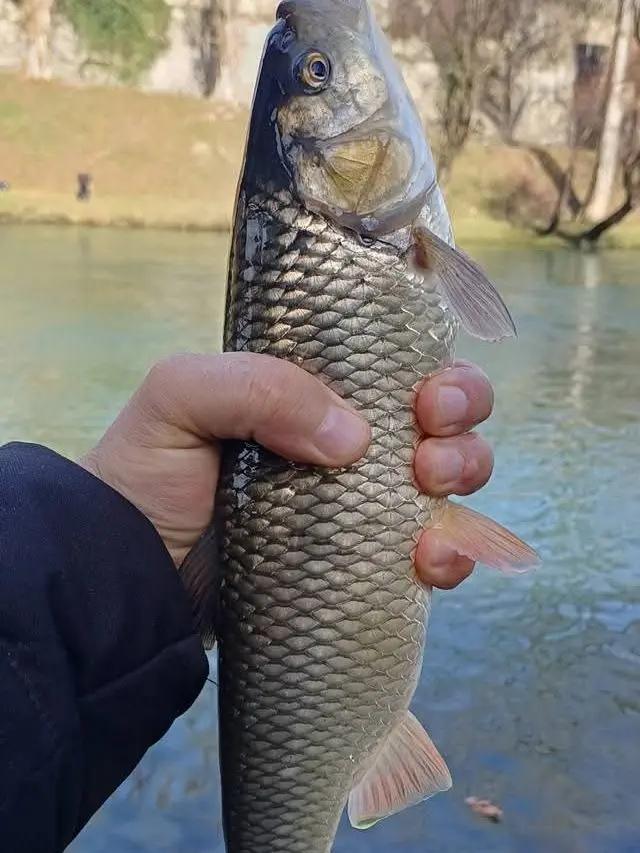
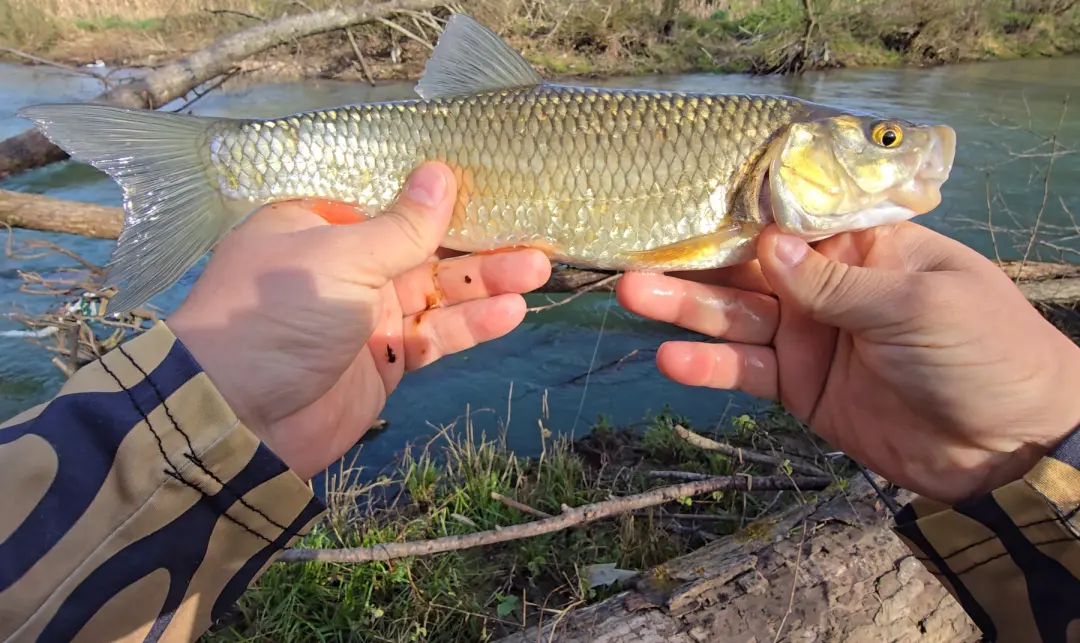
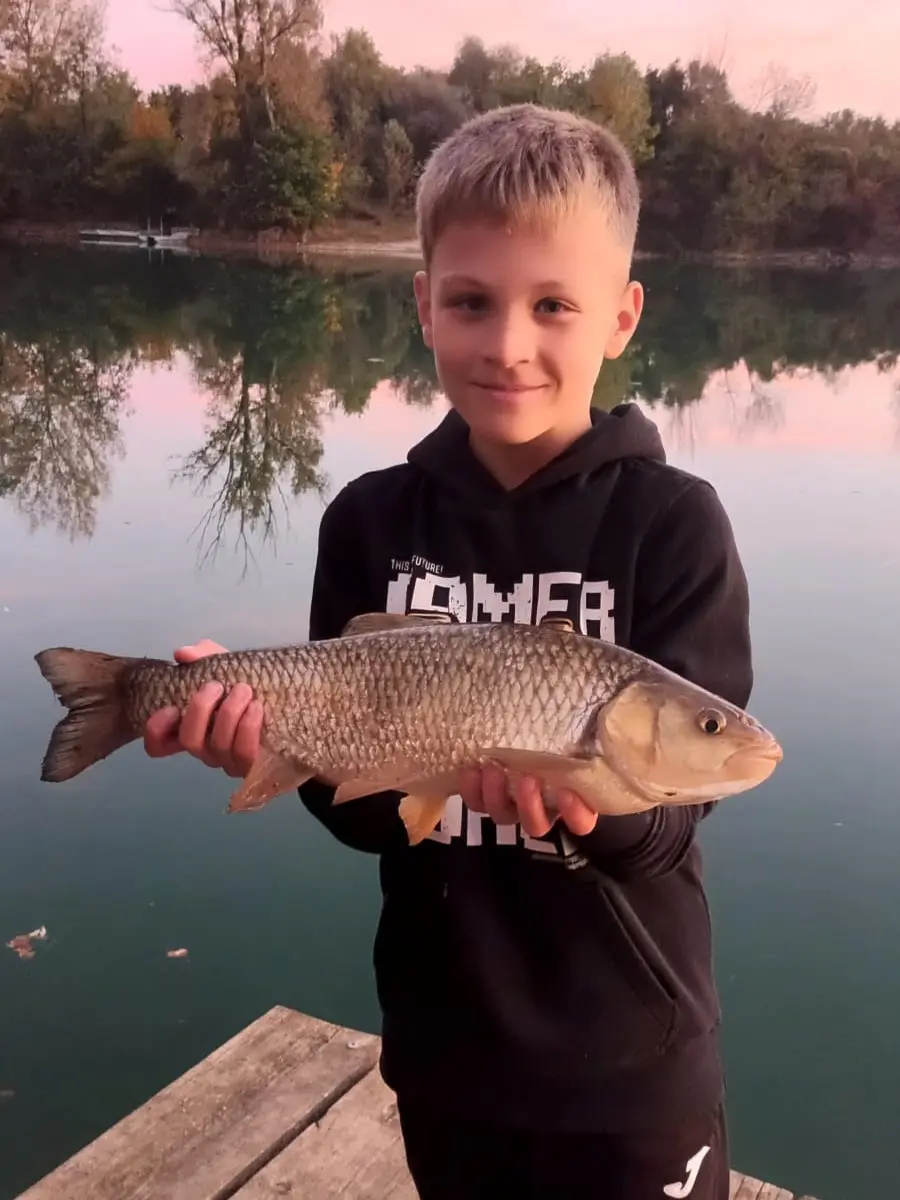
The European chub (Squalius cephalus) is a robust, cylindrical-bodied freshwater fish belonging to the carp family Cyprinidae. It has a large head with a broad mouth, thick lips, and a slightly protruding lower jaw. The body is typically silvery to olive-brown, darker on the back and lighter on the flanks, with large, well-defined scales. The fins often show a grey to orange tint, especially the pelvic and anal fins. Chub are known for their adaptability and intelligence, which makes them one of the most resilient and cautious cyprinids.
Geographic Range
The European chub has a wide distribution across Europe and western Asia. It occurs throughout most of central, western, and eastern Europe, from the British Isles and France eastward through the Danube, Dniester, Dnieper, and Volga river systems. Its range extends into parts of Asia Minor and the Caucasus.
Chub inhabit rivers, streams, canals, and large lakes, preferring well-oxygenated waters with moderate current, but they also tolerate slow-flowing and even slightly polluted environments.
Size
Most European chub measure 30–50 cm in length and weigh 0.5–2 kg. However, in productive rivers and large lowland systems, specimens can exceed 60 cm and 4–5 kg. Exceptional individuals may live over 15 years, growing slowly but steadily.
Fishing
European chub are a highly valued sport fish, known for their strength, sharp senses, and unpredictable behavior. They are opportunistic omnivores, feeding on insects, crustaceans, mollusks, small fish, fruits, seeds, and even terrestrial prey that falls into the water.
Popular fishing methods include:
- Float fishing with bread, cheese, worms, or insects
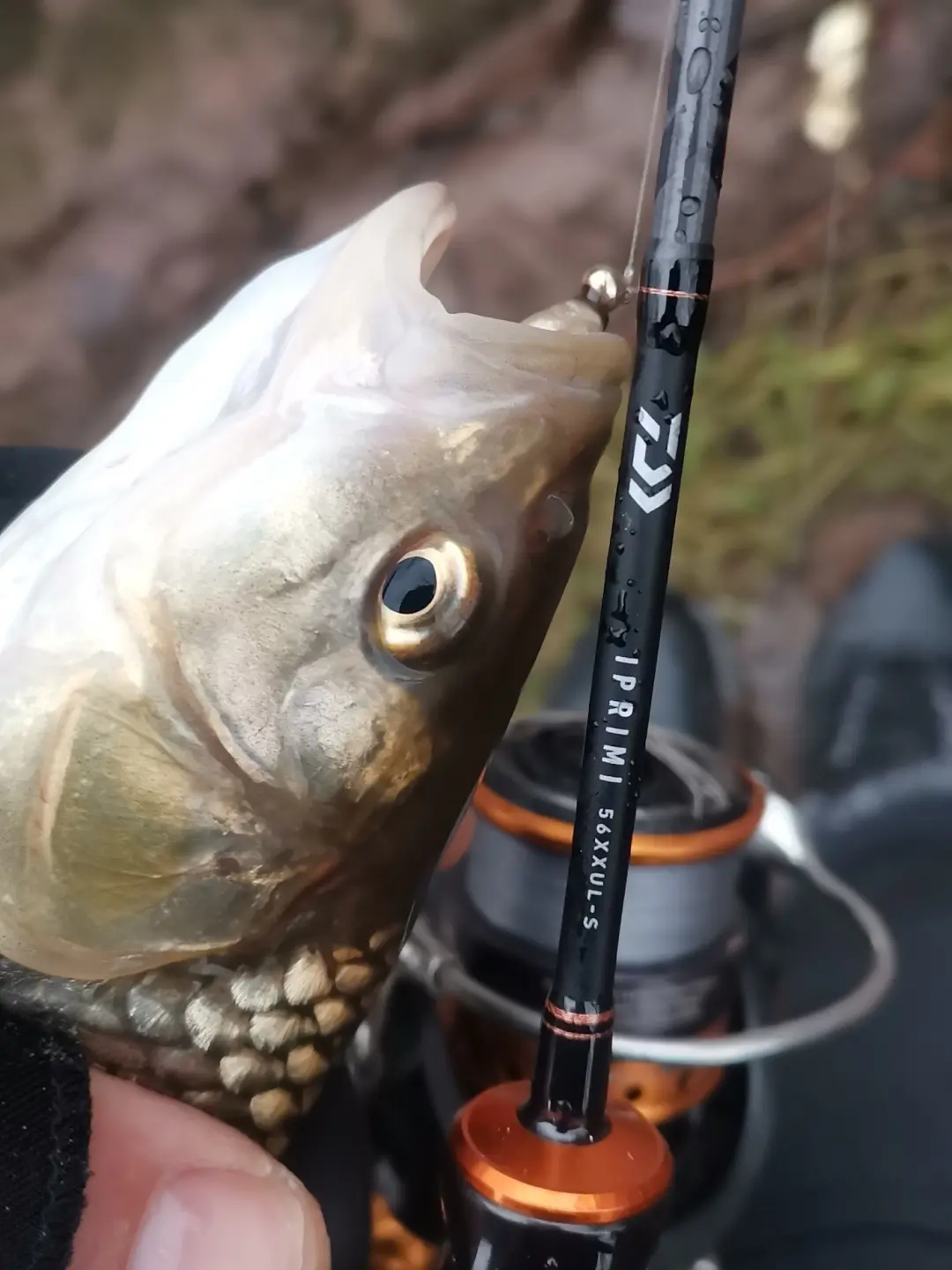
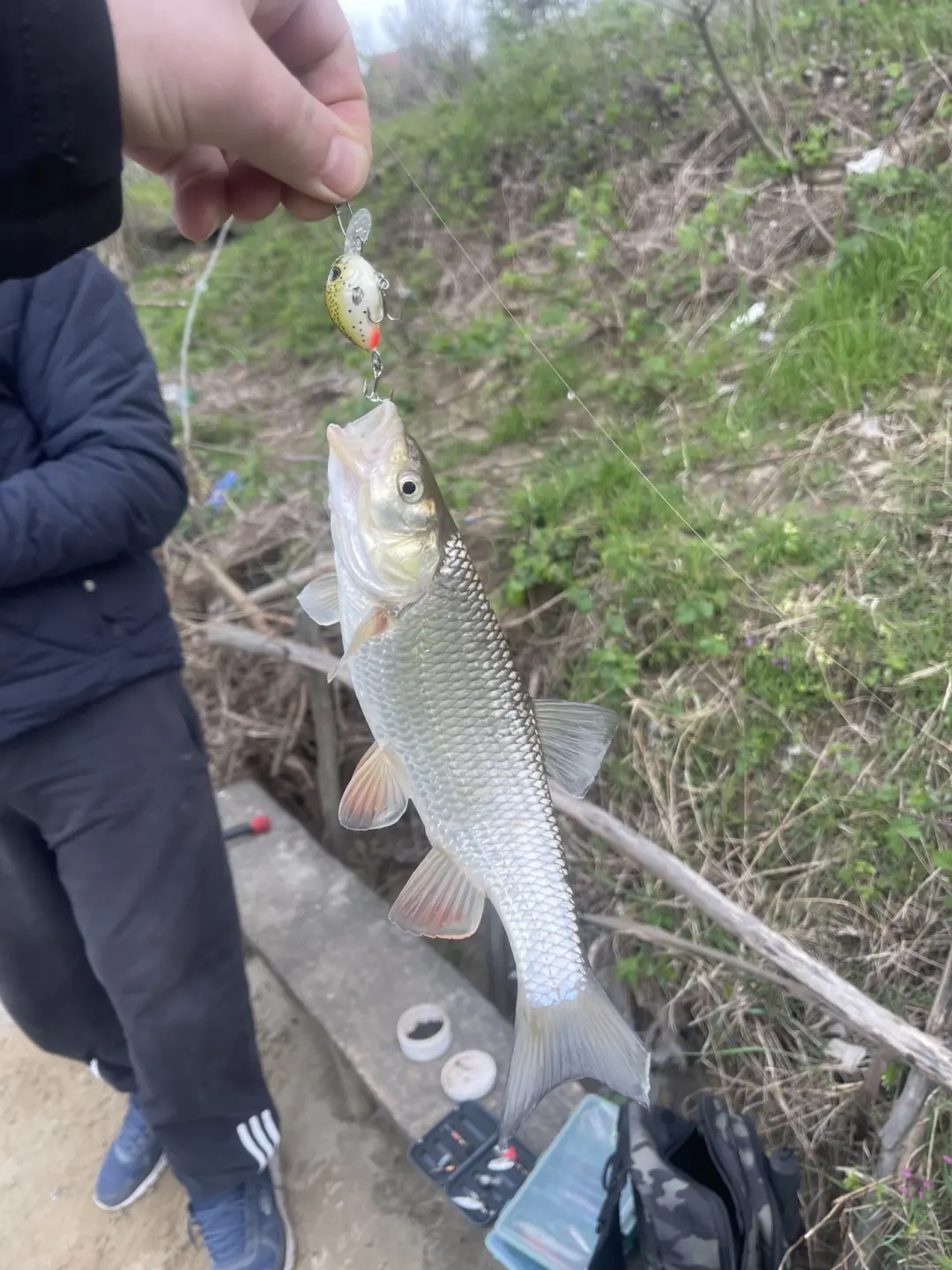
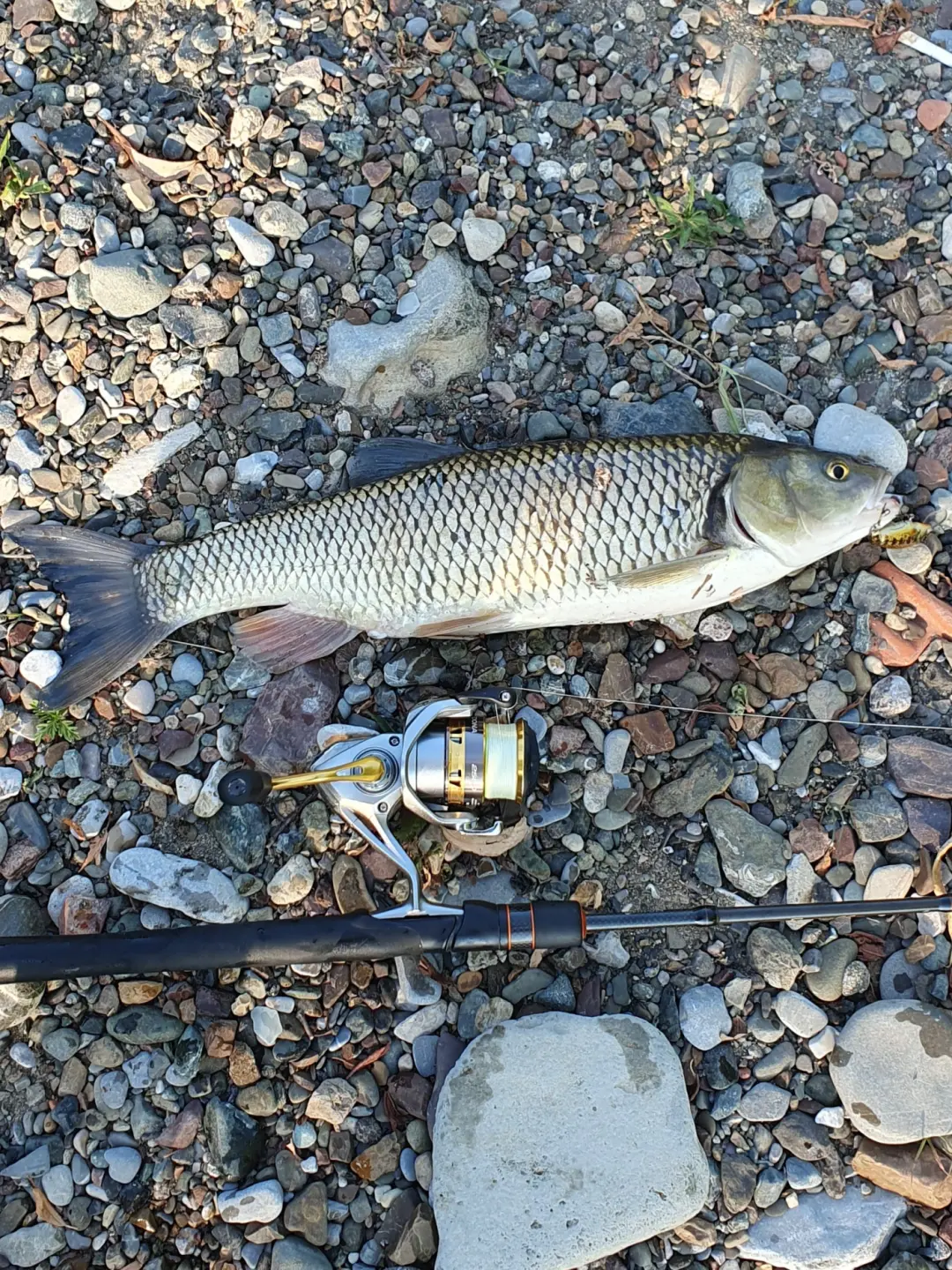
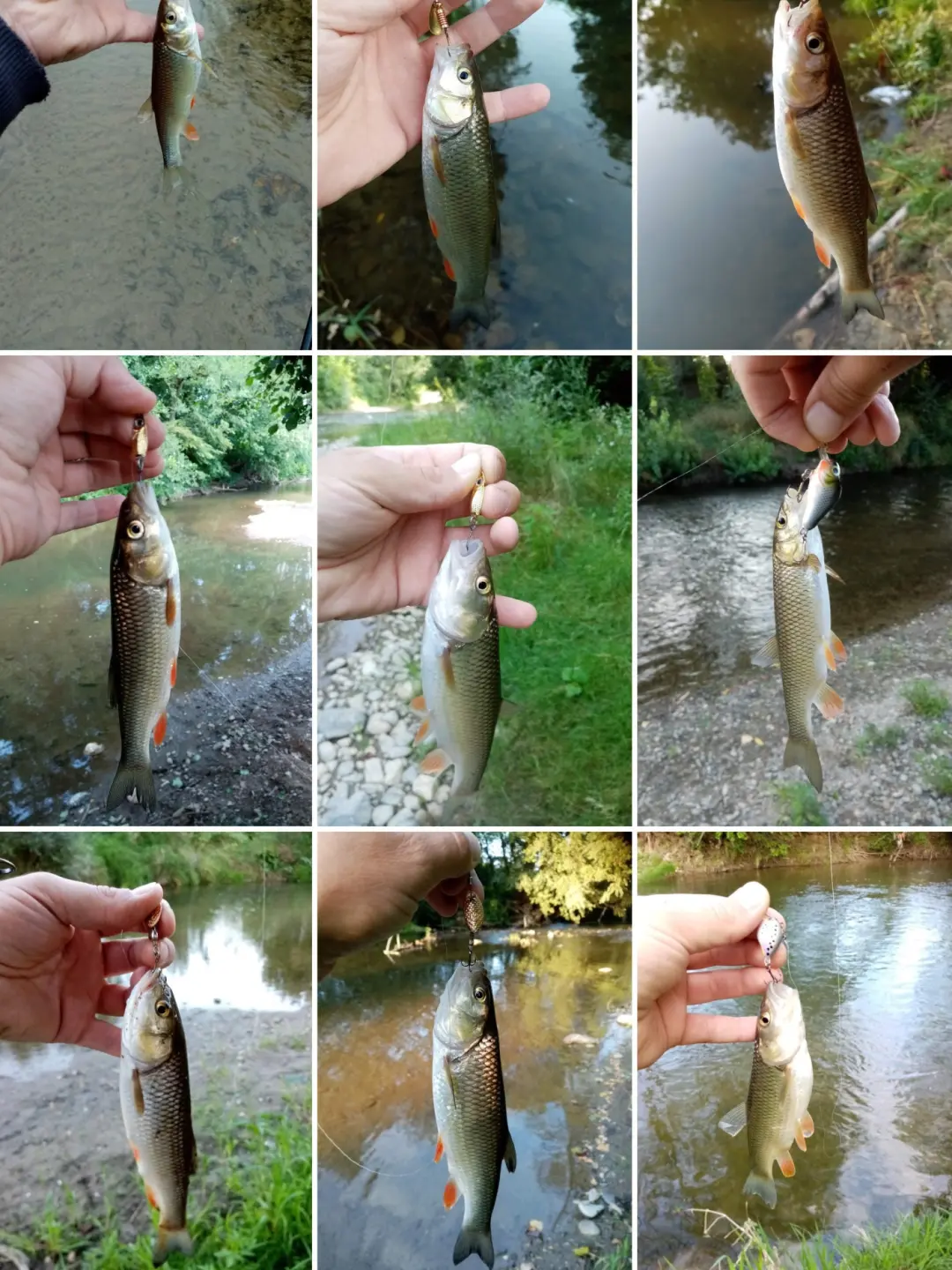
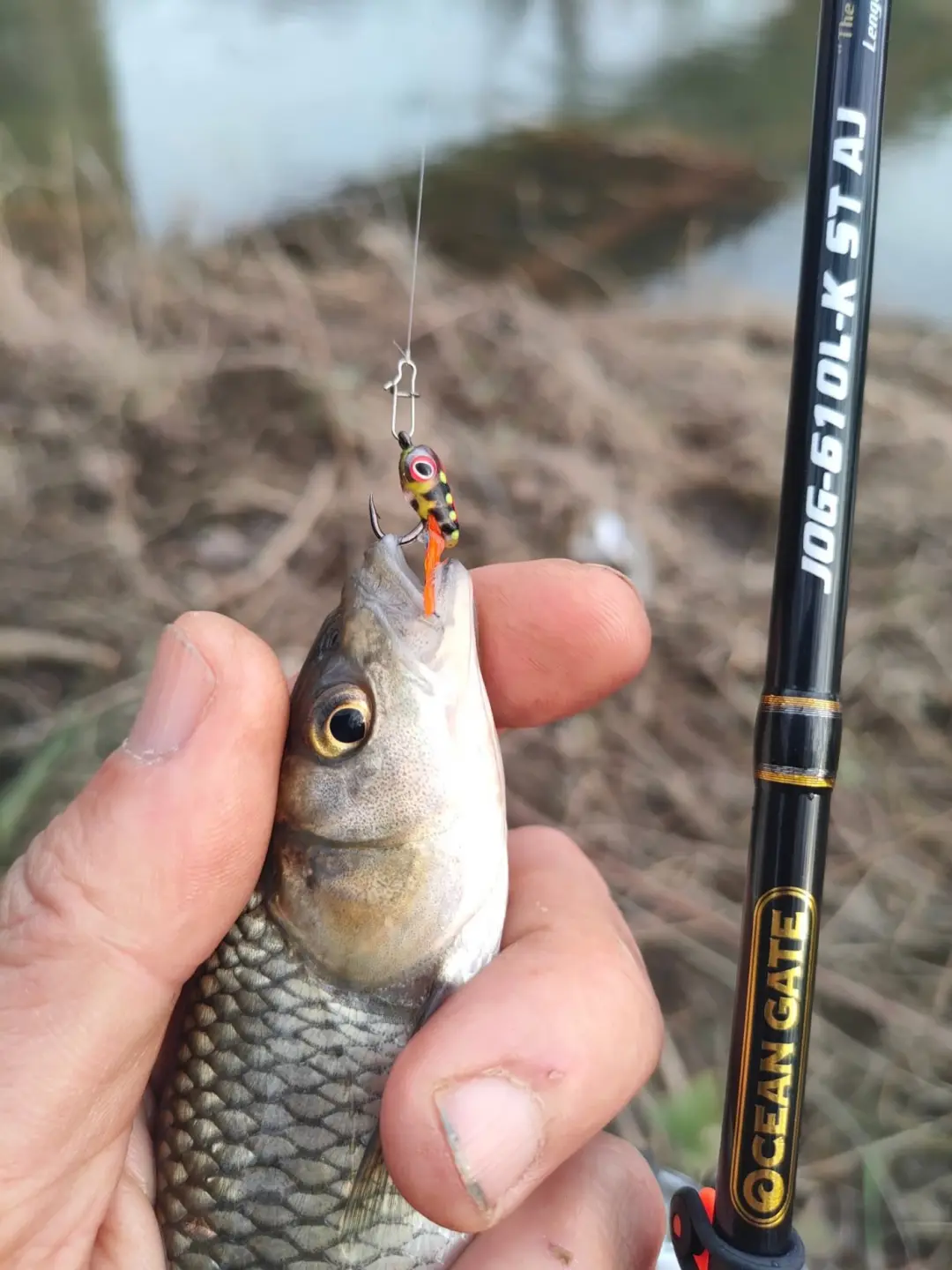
- Light spinning using small crankbaits, spinners, and soft lures
- Surface fishing with bread crusts or insect
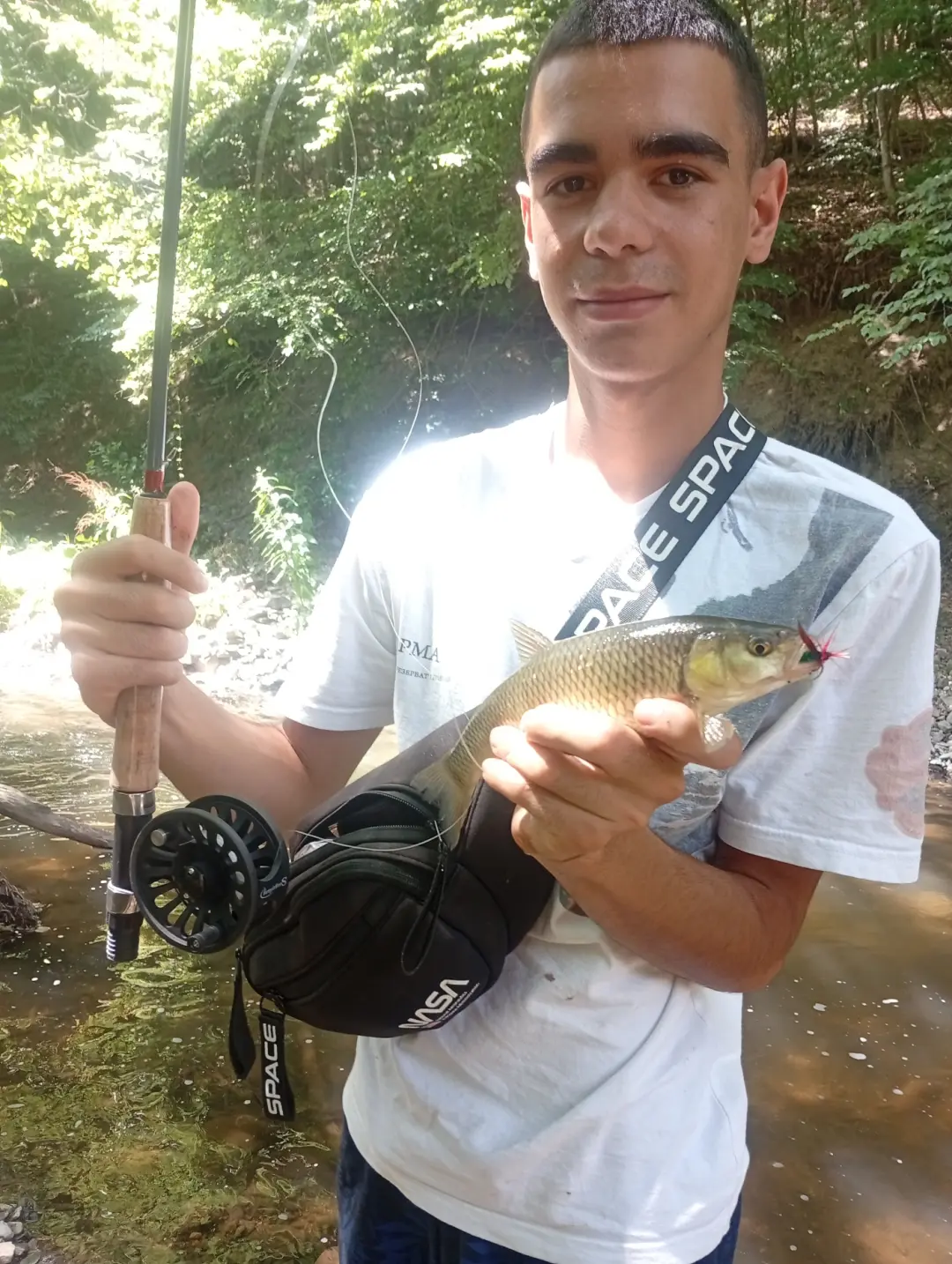
- Fly fishing, especially effective during insect hatches
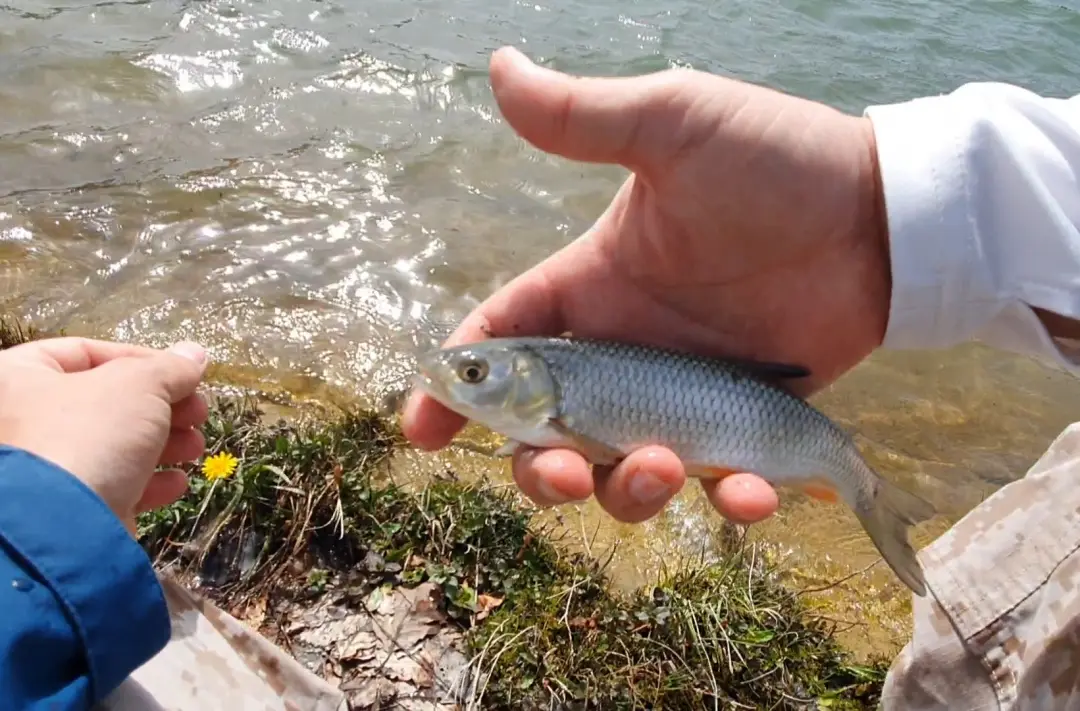
Chub are particularly active during spring and summer, often feeding near the surface in low light conditions. Their cautious nature and excellent eyesight make them a challenging and rewarding target for anglers.