

logo
Anglerpedia main menu
Anglerpedia
Fishes Waters Continents Countries Fishing Techniques Tackle and Baits Brands Shops and Companies Ecological Problems Fishing Rigs Tagged Fish Species

Preferred language:

US English ES Spanish DE German FR French SR Serbian RU Russian
Log in
  • About
  • Help
  • Contact
  • Privacy Policy
  • Terms & Conditions
  • Community Standards
  • Copyright © TagMyFish 2026 | All Rights Reserved

Black crappie  (Pomoxis nigromaculatus)
General data

  • Main name: Black crappie
  • Climates: Subtropical, Temperate, Continental
  • Habitat: Freshwater
  • Native: North America
  • Distribution: Delaware River, Savannah river, Santee River, Lake Washington, Brazos River, Rappahannock River, View all... Colorado River (Texas), Neuse River, St. Lawrence River, Columbia River, Atchafalaya River, St. Johns River, Mississippi River

Classification

  • Genus: Pomoxis - Crappies
  • Family: Centrarchidae - Sunfishes
  • Order: Centrarchiformes - Basses and sunfishes
  • Class: Actinopteri - Ray-finned fishes
  • Superclass: Osteichthyes - Bony fishes
About Catches (10)

Description

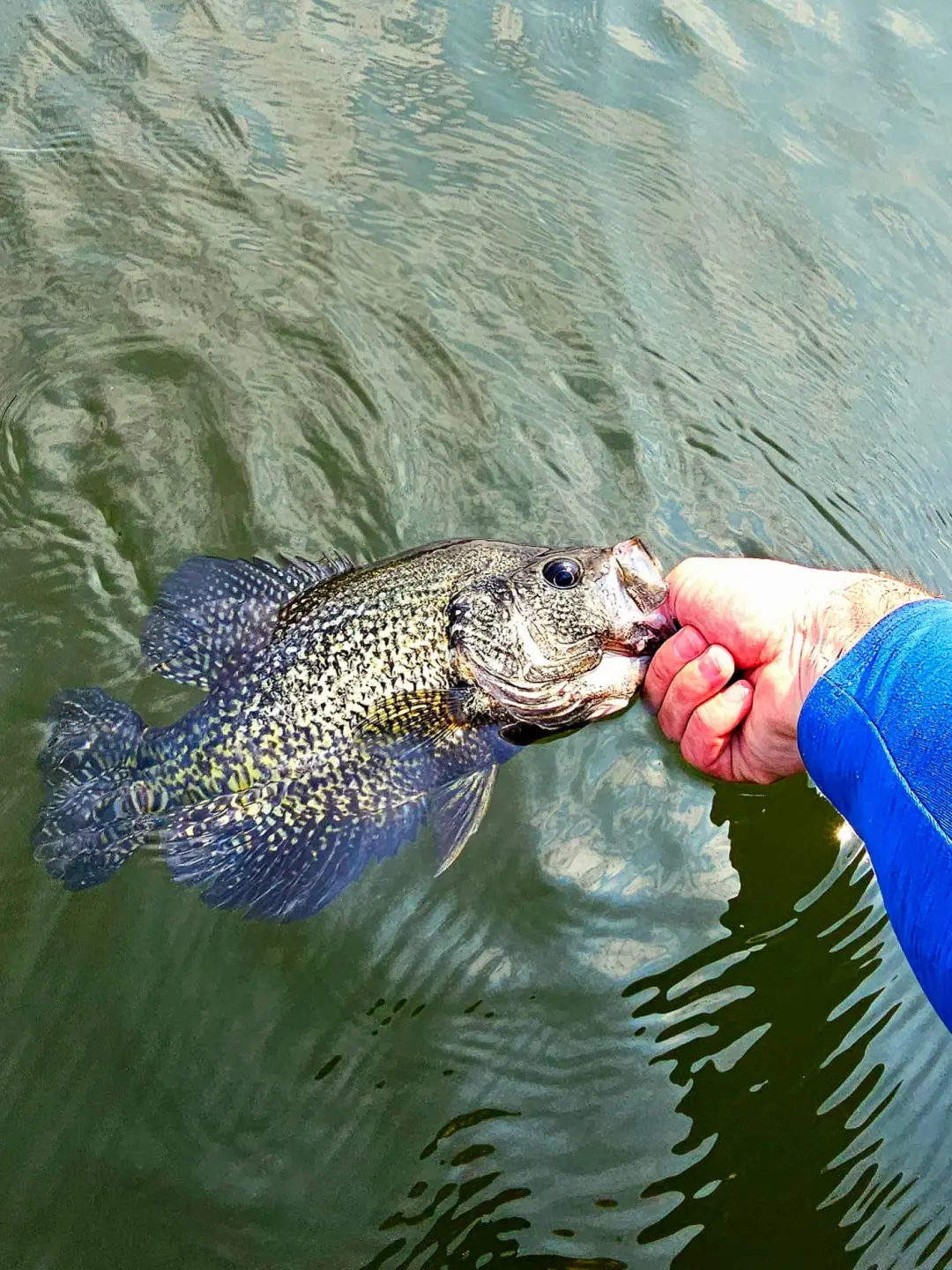
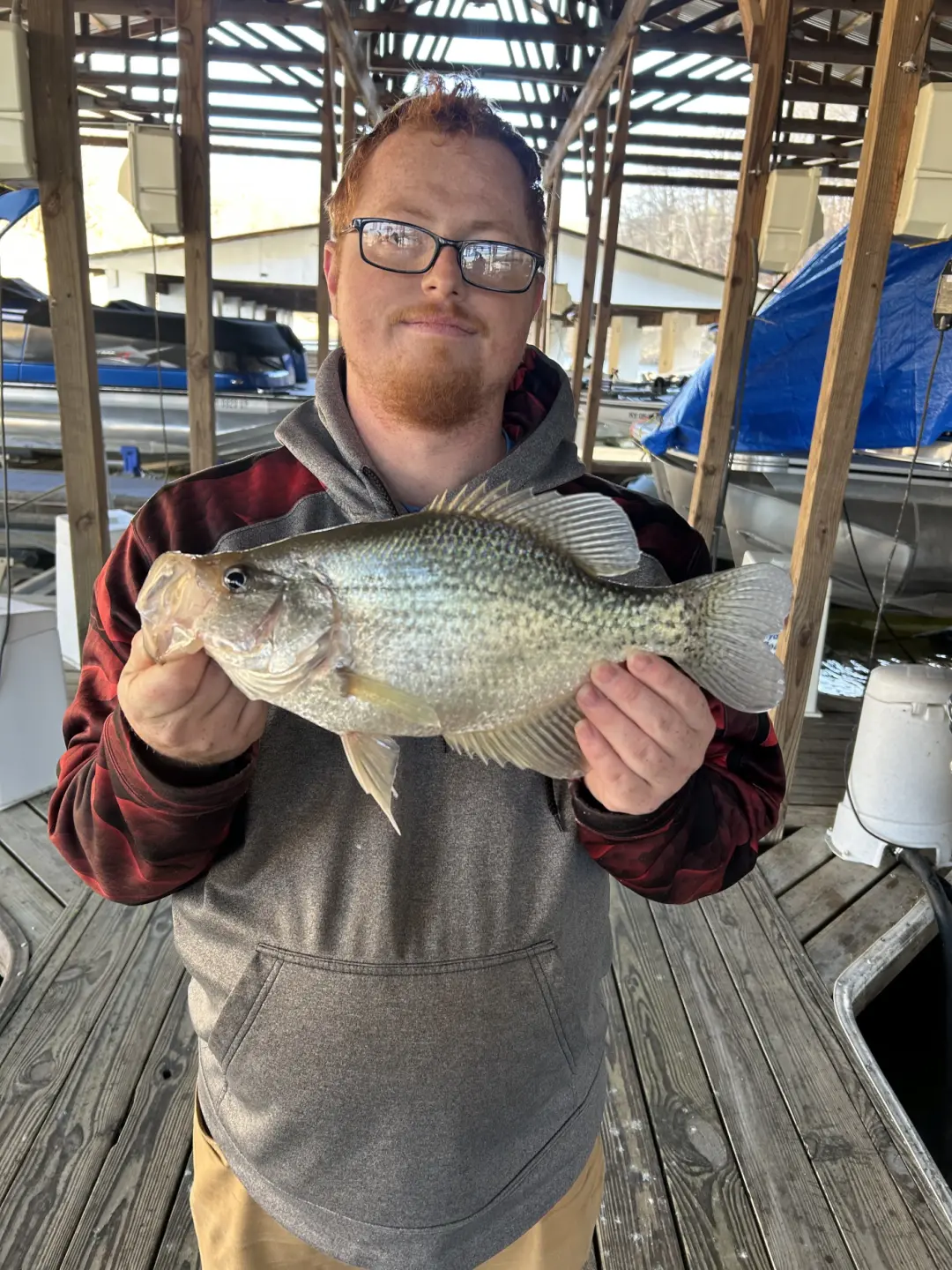
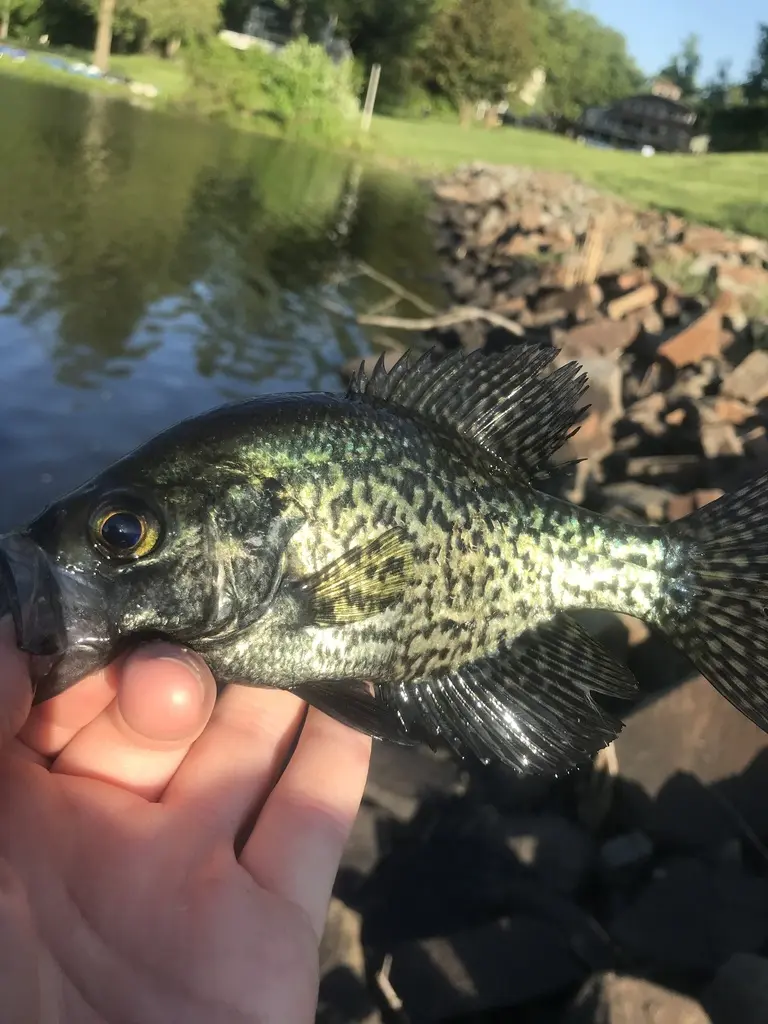
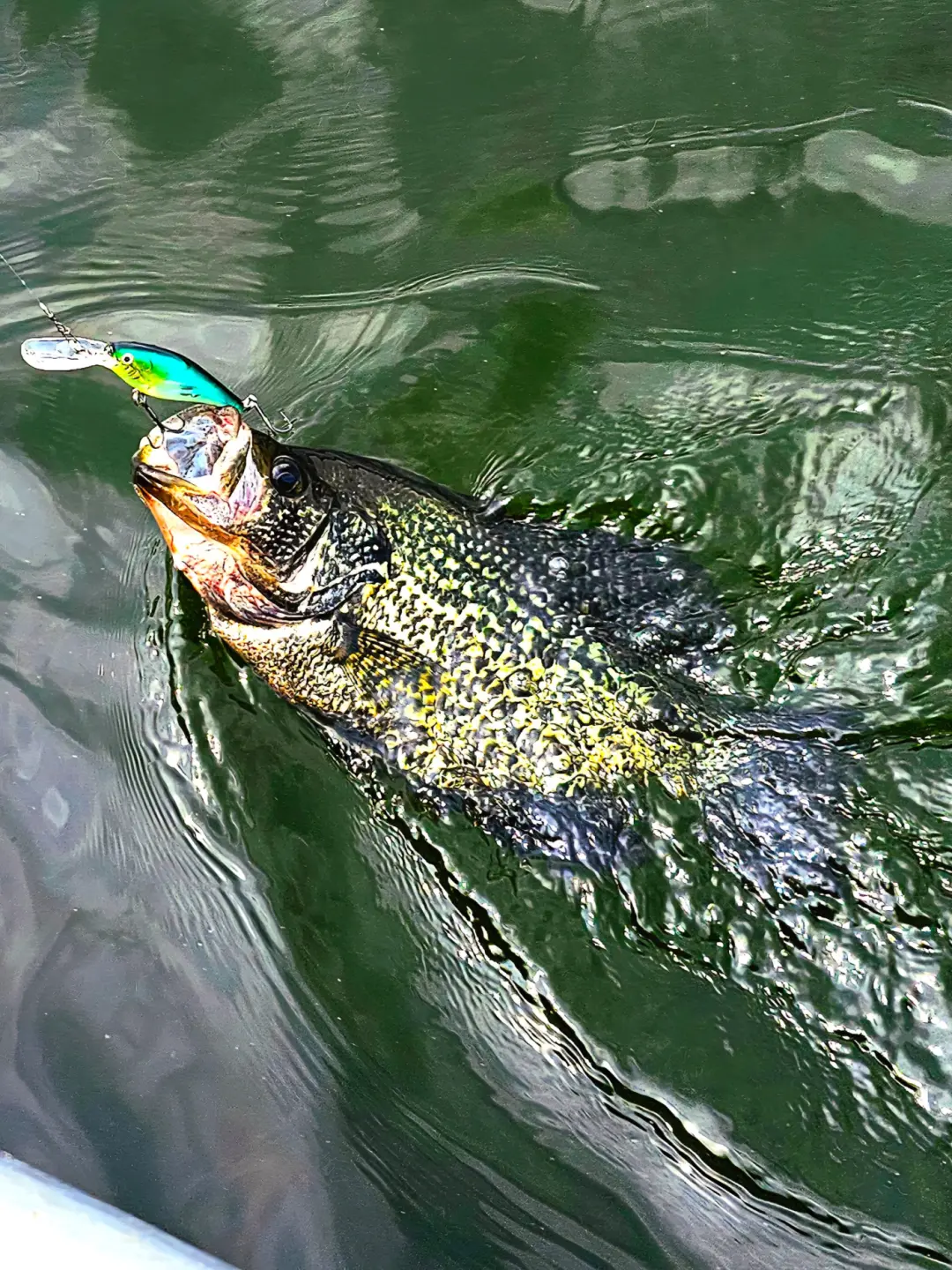
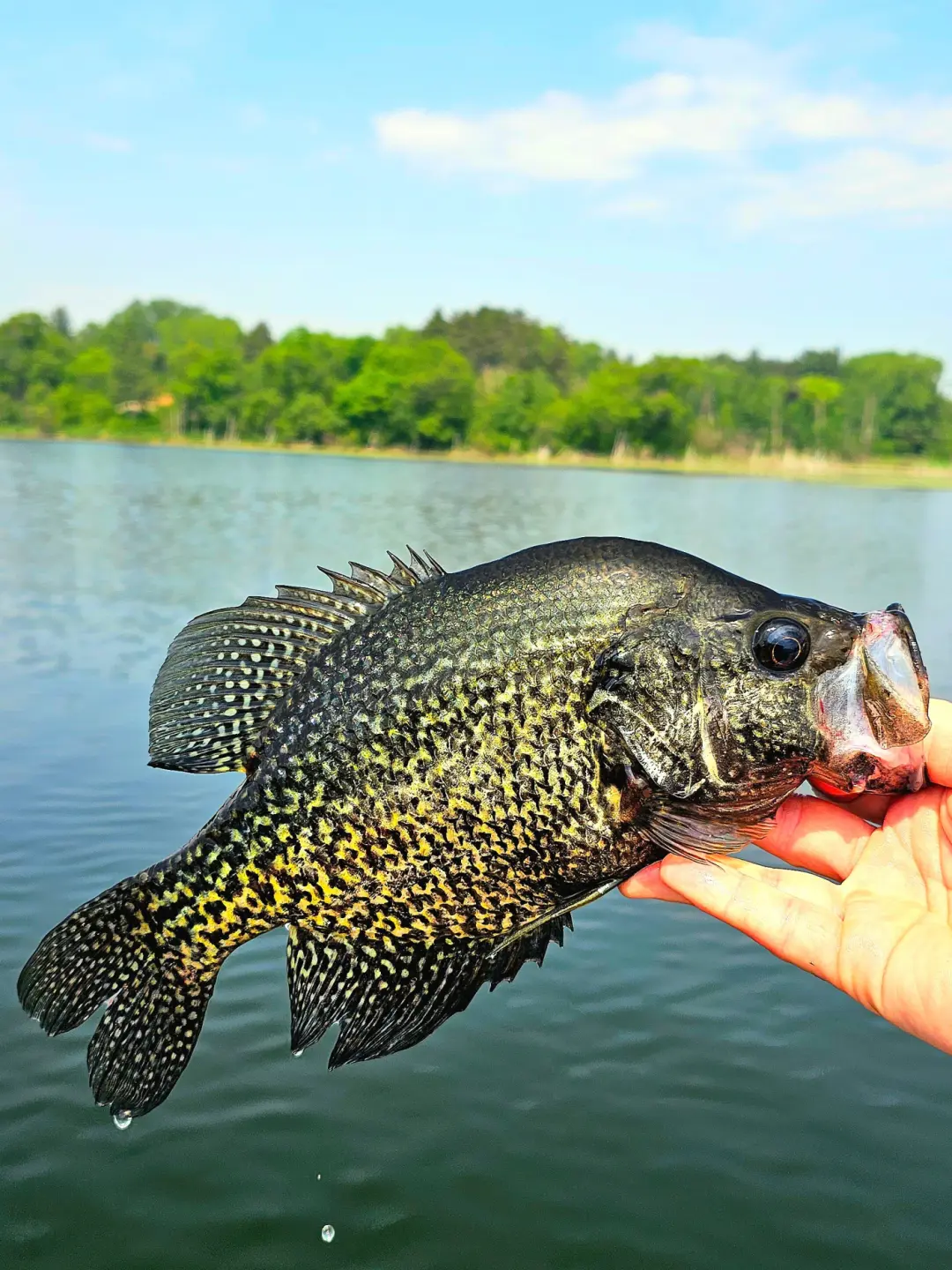
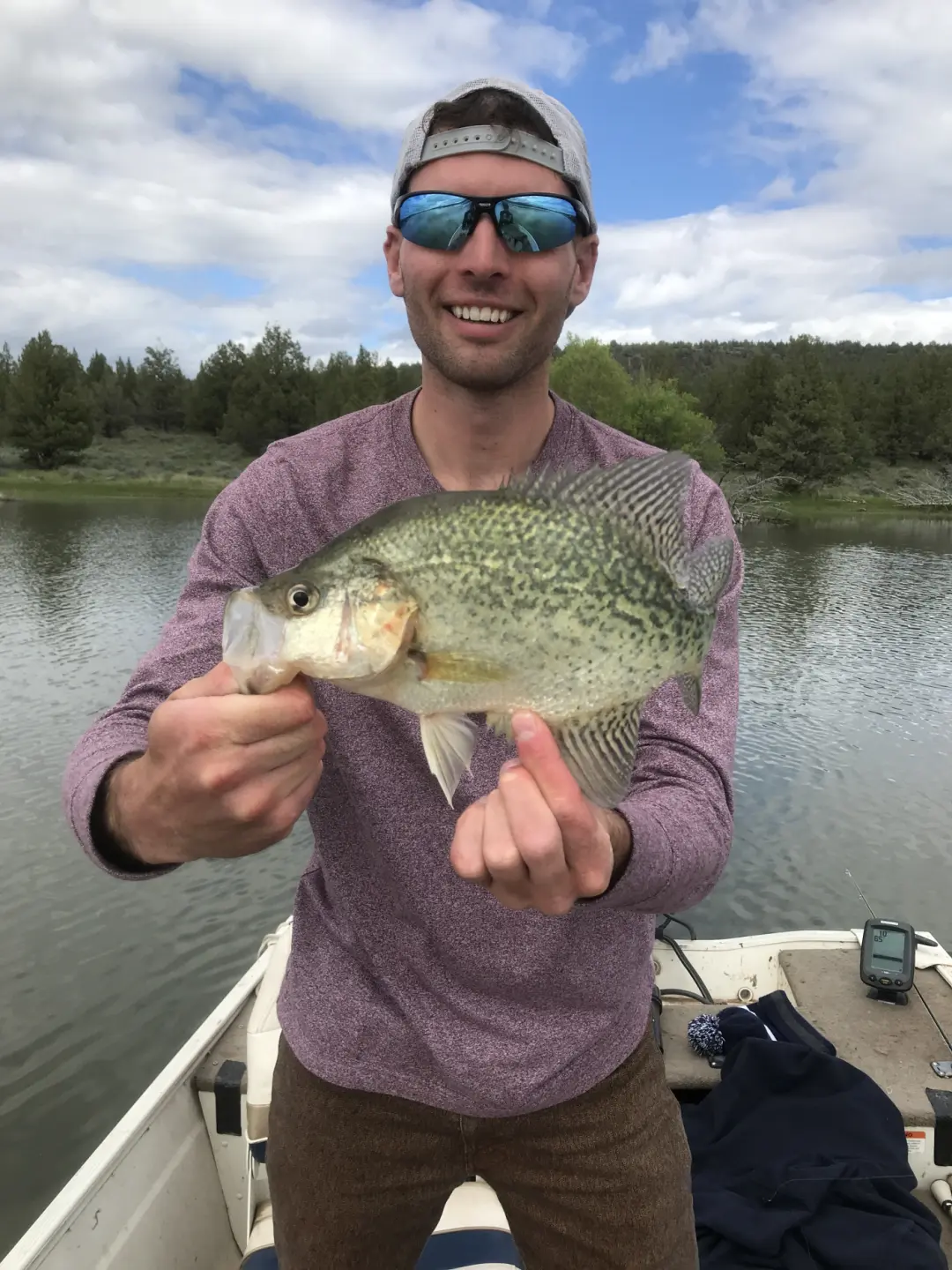
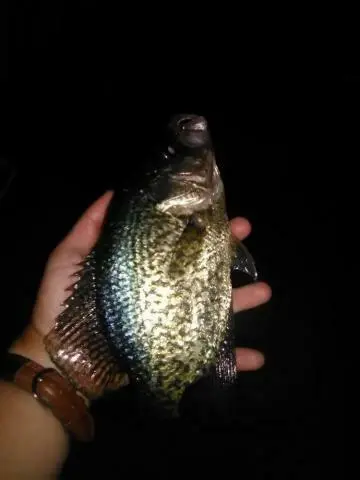
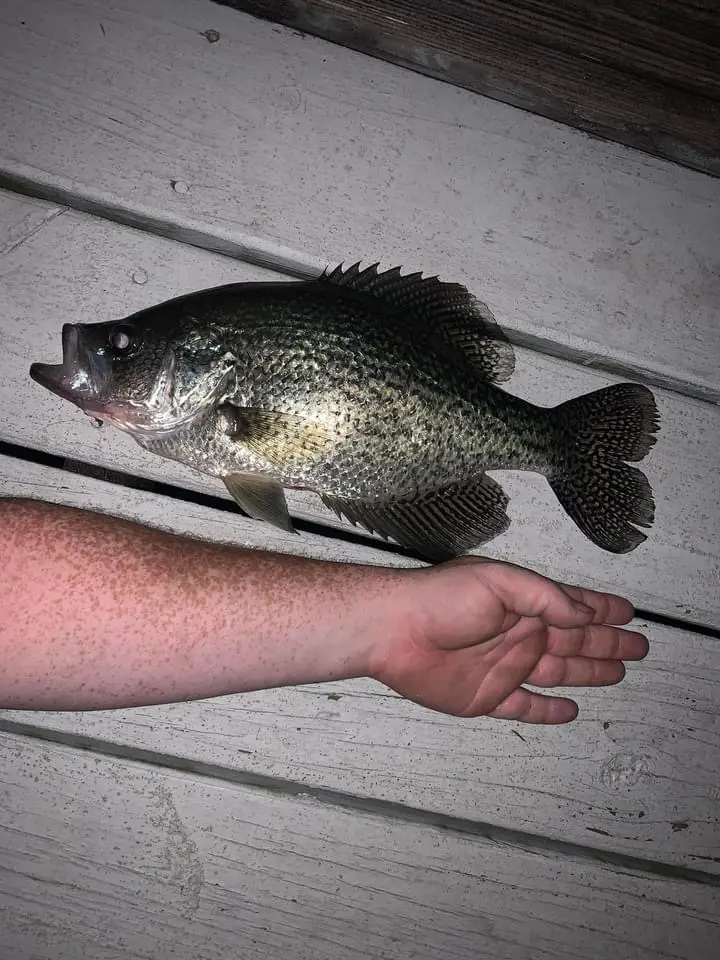
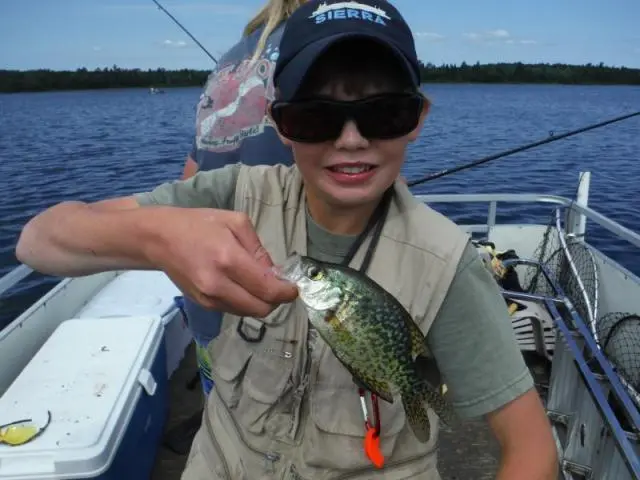
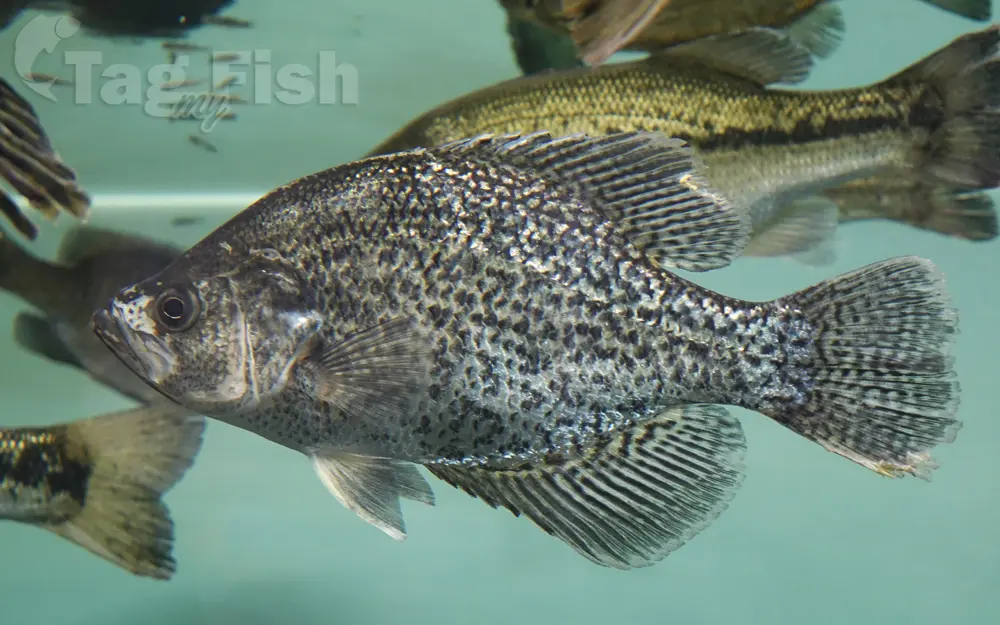
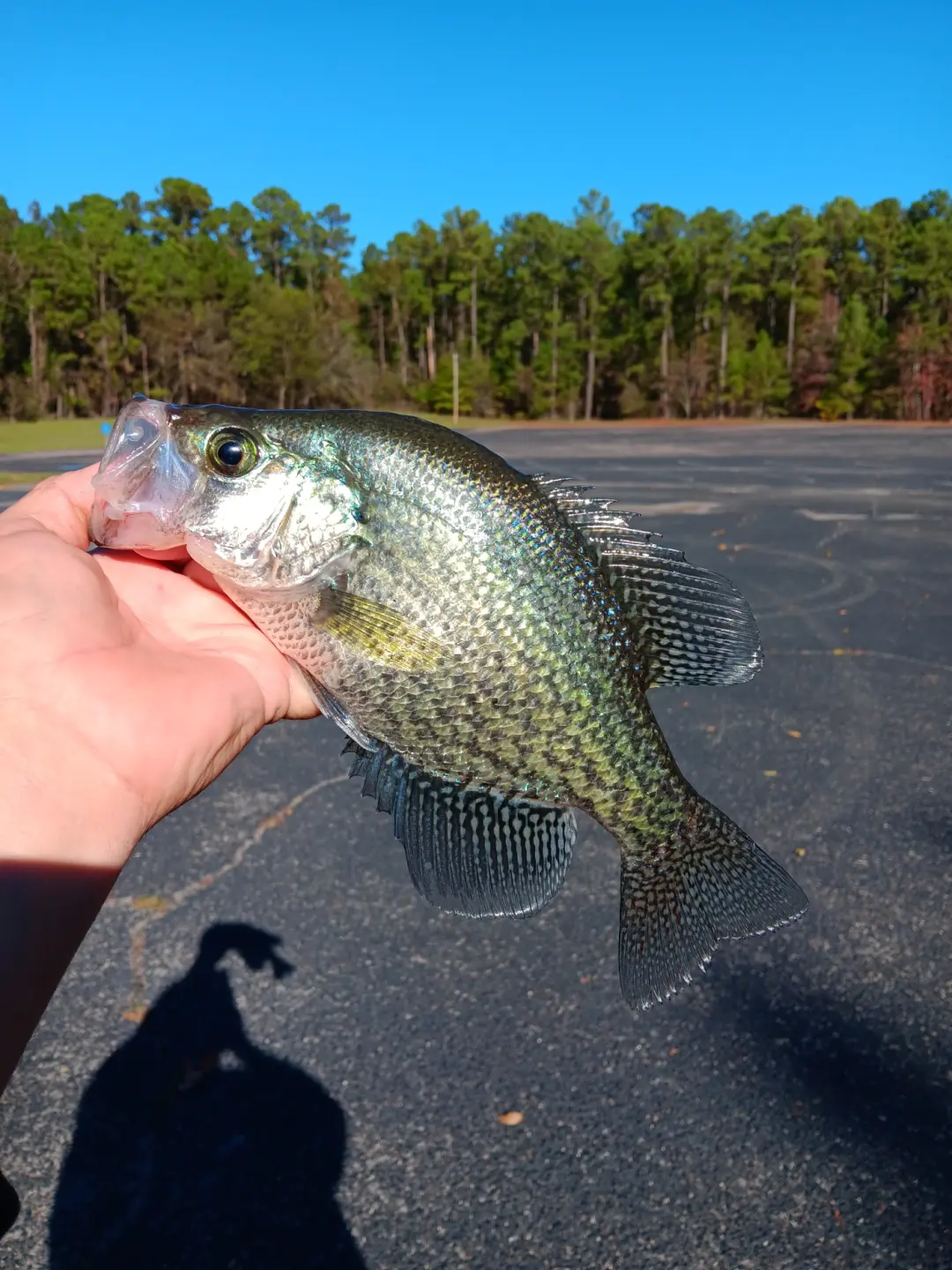
The black crappie (Pomoxis nigromaculatus) is a freshwater fish found in North America, one of the two crappies. It is very similar to the white crappie in size, shape, and habits, except that it is darker, with a pattern of black spots. Black crappies are most accurately identified by the seven or eight spines on its dorsal fin (white crappies have five or six dorsal spines). Crappies have a deep and laterally compressed body. They are usually silvery-gray to green in color and show irregular or mottled black splotches over the entire body. Black crappies have rows of dark spots on their dorsal, anal, and caudal fins. The dorsal and anal fins resemble each other in shape. Both crappies have large mouths extending to below the eye, and thin lips—both suggestive of their piscivorous feeding habits. Crappies are typically about 4–8 inches (10–20 cm) long. The current all-tackle fishing world record for a black crappie is 2.47 kg (5 lb 7 oz). The maximum length reported for a black crappie is 19.3 inches (49 cm) and the maximum published weight is just under 6 pounds (2,700 g). Distribution North America: The native range is difficult to determine due to its widespread introduction throughout the USA but it is presumably Atlantic Slope from Virginia to Florida, Gulf Slope west to Texas in the USA, St. Lawrence-Great Lakes, Hudson Bay (Red River), and Mississippi River basins from Quebec to Manitoba in Canada south to the Gulf in the USA.

Taxonomy of Fishes

  • Osteichthyes - Bony fishes->
    • Actinistia - Lobe-finned fishes->
    • Actinopteri - Ray-finned fishes->
      • Perciformes - Perches->
      • Cypriniformes - Carps->
      • Esociformes - Pikes->
      • Salmoniformes - Salmons and Trouts->
      • Siluriformes - Catfishes->
      • Scorpaeniformes - Mail-cheeked fishes->
      • Gasterosteiformes - Sticklebacks->
      • Gadiformes - Cods->
      • Anguilliformes - Eels and morays->
      • Clupeiformes - Herrings->
      • Syngnathiformes - Pipefishes and Seahorses->
      • Gobiiformes - Gobies->
      • Mugiliformes - Mullets->
      • Carangiformes - Jacks->
      • Beloniformes - Needlefishes->
      • Labriformes - Wrasses->
      • Scombriformes - Mackerels->
      • Mulliformes - Goatfishes->
      • Pleuronectiformes - Flatfishes->
      • Aulopiformes - Grinners->
      • Blenniiformes - Blennies->
      • Cyprinodontiformes - Toothcarps->
      • Osmeriformes - Smelts->
      • Centrarchiformes - Basses and sunfishes->
        • Centrarchidae - Sunfishes->
          • Micropterus - Black basses->
          • Lepomis - Sunfishes->
          • Ambloplites - Rock basses->
          • Pomoxis - Crappies->
            • Black crappie (Pomoxis nigromaculatus)
            • White crappie (Pomoxis annularis)
          • Enneacanthus - Banded sunfishes->
          • Centrarchus - Flier->
          • Archoplites - Sacramento perch->
          • Acantharchus - Mud sunfishes->
          • Elassoma - Pygmy sunfishes->
        • Sinipercidae - Chinese perches->
        • Percalatidae - Australian basses->
        • Percichthyidae - Temperate perches->
        • Terapontidae - Grunters or Tigerperches->
        • Girellidae - Nibblers->
        • Dichistiidae - Galjoen fishes->
        • Chironemidae - Kelpfishes->
        • Latridae - Trumpeters->
        • Scorpididae - Scorpididae->
        • Microcanthidae - Stripeys->
        • Kyphosidae - Sea chubs->
        • Cirrhitoidea - Hawkfishes->
        • Aplodactylidae - Marblefishes->
        • Cheilodactylidae - Morwongs->
        • Cirrhitidae - Hawkfishes->
        • Elassomatidae - Pygmy sunfishes->
        • Enoplosidae - Oldwife->
        • Kuhliidae - Aholeholes->
        • Oplegnathidae - Knifejaws->
        • Parascorpididae - Jutjaws->
        • Perciliidae - Southern basses->
      • Cichliformes - Cichlids->
      • Characiformes - Characins->
      • Osteoglossiformes - Bony tongues->
      • Elopiformes - Tarpons and tenpounders->
      • Anabantiformes - Gouramies and snakeheads->
      • Gymnotiformes - South American knifefish->
      • Istiophoriformes - Barracudas->
      • Albuliformes - Bonefishes->
      • Lepidogalaxiiformes - Salamanderfishes->
      • Lophiiformes - Anglerfishes->
      • Spariformes - Breams and porgies->
      • Trachiniformes - Weeverfishes->
      • Moroniformes - Temperate basses->
      • Acanthuriformes - Surgeonfishes->
      • Zeiformes - Dories->
      • Tetraodontiformes - Puffers and filefishes->
      • Holocentriformes - Squirrelfishes->
      • Dactylopteriformes - Flying gurnards->
      • Lampriformes - Lamprids->
      • Galaxiiformes - Southern smelts->
      • Batrachoidiformes - Toadfishes->
      • Hiodontiformes - Mooneyes->
      • Percopsiformes - Trout-perches->
      • Callionymiformes - Dragonets->
      • Atheriniformes - Silversides->
      • Notacanthiformes - Spiny eels->
      • Saccopharyngiformes - Swallowers and Gulpers->
      • Alepocephaliformes - Slickheads and tubeshoulders->
      • Gonorynchiformes - Milkfishes->
      • Argentiniformes - Marine smelts->
      • Stomiiformes - Lightfishes and dragonfishes->
      • Ateleopodiformes - Jellynose fishes->
      • Myctophiformes - Lanternfishes->
      • Stylephoriformes - Tube-eyes->
      • Polymixiiformes - Beardfishes->
      • Beryciformes - Sawbellies->
      • Trachichthyiformes - Rughies->
      • Ophidiiformes - Cusk-eels->
      • Kurtiformes - Nurseryfishes & Cardinalfishes->
      • Synbranchiformes - Swamp eels->
      • Gobiesociformes - Clingfishes->
      • Acropomatiformes - Oceanic basses->
    • Cladistii - Bichirs->
    • Dipnoi - Lungfishes->
    • Chondrostei - Sturgeons and Paddlefishes->
    • Holostei - Gars and Bowfins->
  • Chondrichthyes - Cartilaginous fishes->
  • Agnatha - Jawless fishes->
logo

Tag Your Catch and
Win a Twin Power!

Post your catch and get a chance to win the Shimano Twin Power XD 4000 PG!

The more catches you post, the higher your chances of winning this amazing prize. Every catch shared between May and November 2025 is automatically entered into the prize draw.
Only one rule: Make sure to tag both the fish species and the body of water!

Log in

Sponsored by:

 Capriolo
Twin Power 4000 XD PG