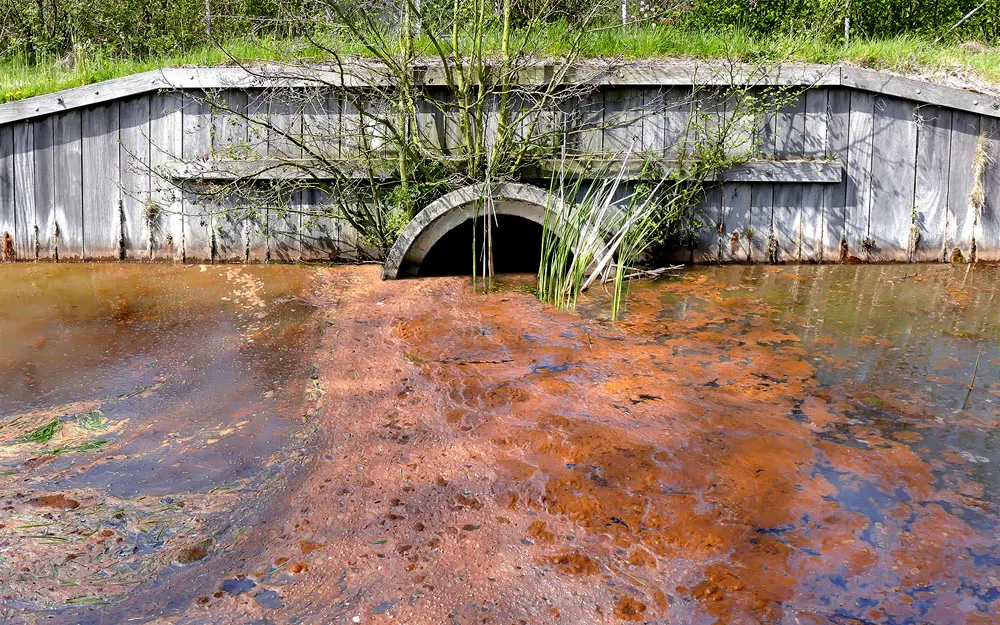

Sewer pollution
General data
- Name: Sewer pollution
- Category: Ecological Problems

Sewer pollution is one of the most widespread and damaging forms of water contamination. It affects rivers, lakes, and seas across the world, degrading ecosystems, threatening aquatic life, and posing serious risks to human health. Whether from untreated wastewater, leaking infrastructure, or storm overflows, sewage introduces a complex mix of harmful substances into natural waters.
1. Sources of Sewer Pollution
Sewer pollution originates from several key sources, most of which are linked to human activity and urban development.
- Untreated or poorly treated municipal wastewater
- Combined sewer overflows during heavy rainfall
- Leaking or damaged sewage pipes
- Illegal discharge of waste into waterways
- Agricultural runoff containing animal waste
In many areas, especially where infrastructure is outdated or insufficient, sewage systems cannot handle increased population pressure or extreme weather events, leading to frequent contamination of nearby water bodies.
2. What Sewage Contains
Sewage is not just water—it is a mixture of organic and inorganic pollutants that can severely impact aquatic ecosystems.
- Organic matter (human waste, food residues)
- Nutrients such as nitrogen and phosphorus
- Pathogens (bacteria, viruses, parasites)
- Chemicals (detergents, pharmaceuticals, heavy metals)
- Microplastics and other solid waste
This combination makes sewage particularly dangerous, as it affects water quality on multiple levels simultaneously.
3. Impact on Rivers
Rivers are often the first recipients of sewage discharge. Because they are flowing systems, pollution can spread quickly downstream.
- Oxygen depletion due to decomposition of organic matter
- Fish kills caused by low oxygen levels
- Disruption of natural food chains
- Contamination of drinking water sources
Sensitive fish species, especially those requiring clean and oxygen-rich water, are often the first to disappear. Rivers can shift from healthy ecosystems to degraded channels dominated by pollution-tolerant species.
4. Impact on Lakes
Lakes are particularly vulnerable because they have limited water exchange compared to rivers.
- Eutrophication caused by excess nutrients
- Massive algal blooms that block sunlight
- Oxygen depletion in deeper layers
- Death of fish and aquatic plants
Algal blooms can also produce toxins that are harmful to both animals and humans, making water unsafe for recreation and consumption.
5. Impact on Seas and Coastal Areas
Sewer pollution does not stop at rivers and lakes—it eventually reaches seas and oceans.
- Coastal water contamination
- Damage to marine habitats such as seagrass beds and coral reefs
- Accumulation of pollutants in marine organisms
- Health risks for swimmers and fishermen
In coastal zones, untreated sewage can lead to beach closures and long-term degradation of marine biodiversity.
6. Impact on Fish and Aquatic Life
Fish and other aquatic organisms are directly affected by sewage pollution.
- Reduced oxygen levels leading to stress or death
- Exposure to toxic substances and pathogens
- Disruption of reproduction and growth
- Habitat loss and migration barriers
Over time, fish communities change significantly. Sensitive species disappear, while more tolerant species dominate, reducing biodiversity and ecological balance.
7. Human Health Risks
Sewage pollution is not only an environmental issue but also a public health concern.
- Contaminated drinking water
- Spread of waterborne diseases
- Unsafe conditions for swimming and fishing
- Bioaccumulation of toxins in fish consumed by humans
Conclusion
Sewer pollution is a major threat to rivers, lakes, and seas worldwide. By introducing nutrients, pathogens, and toxic substances into aquatic environments, it disrupts ecosystems and endangers both wildlife and human populations.
Addressing this issue requires improved wastewater treatment, modern infrastructure, stricter regulation, and increased public awareness. Protecting water resources is essential not only for nature but also for the health and well-being of future generations.